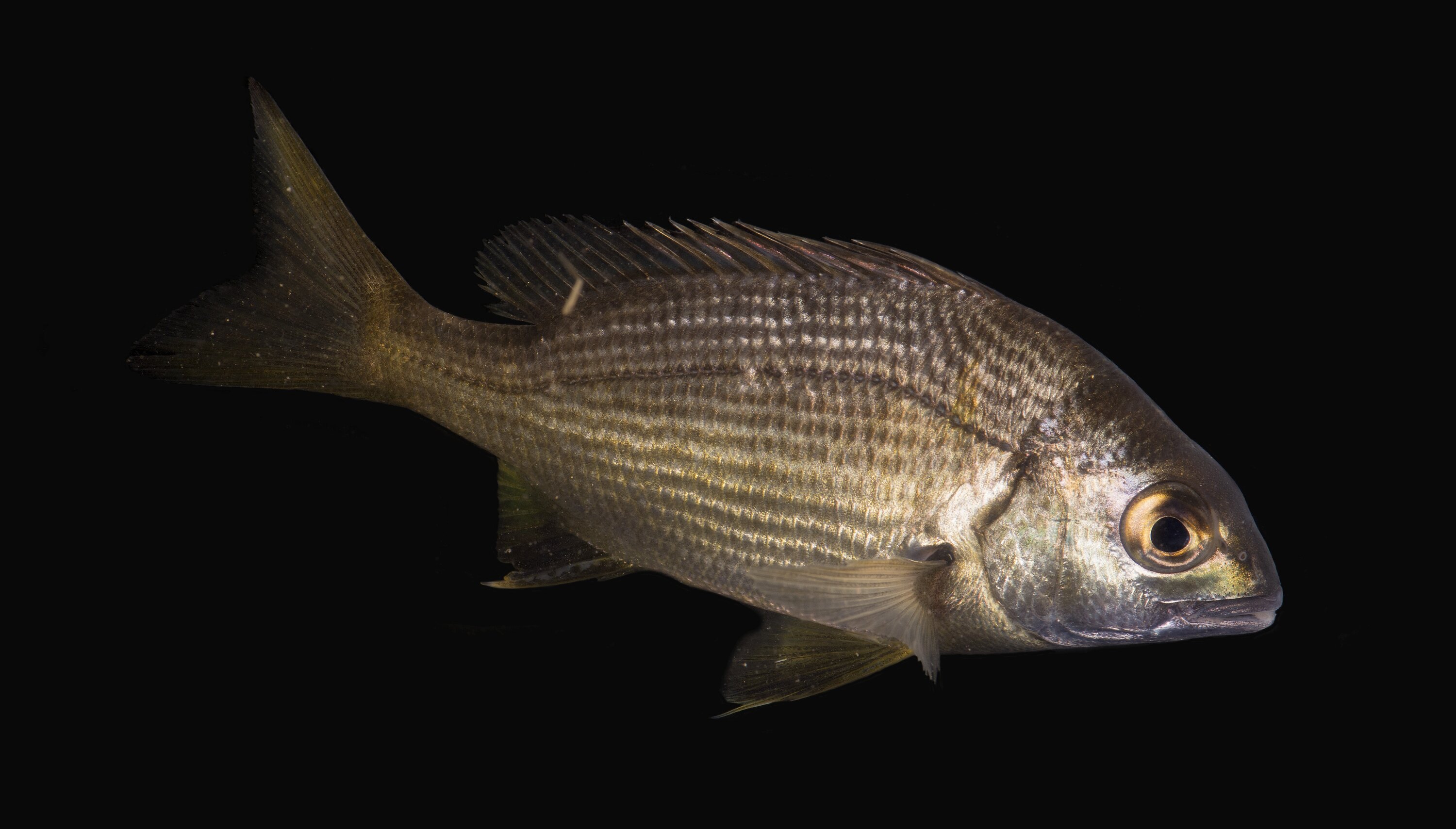
Often confused with Yellowfin Bream found mostly on the east coast, which has pale yellow ventral and anal fins.
It is often very difficult to separate this species from Acanthopagrus australis, and the two species are known to hybridize in Victoria
At a glance
Black Bream at a glance
Habitat
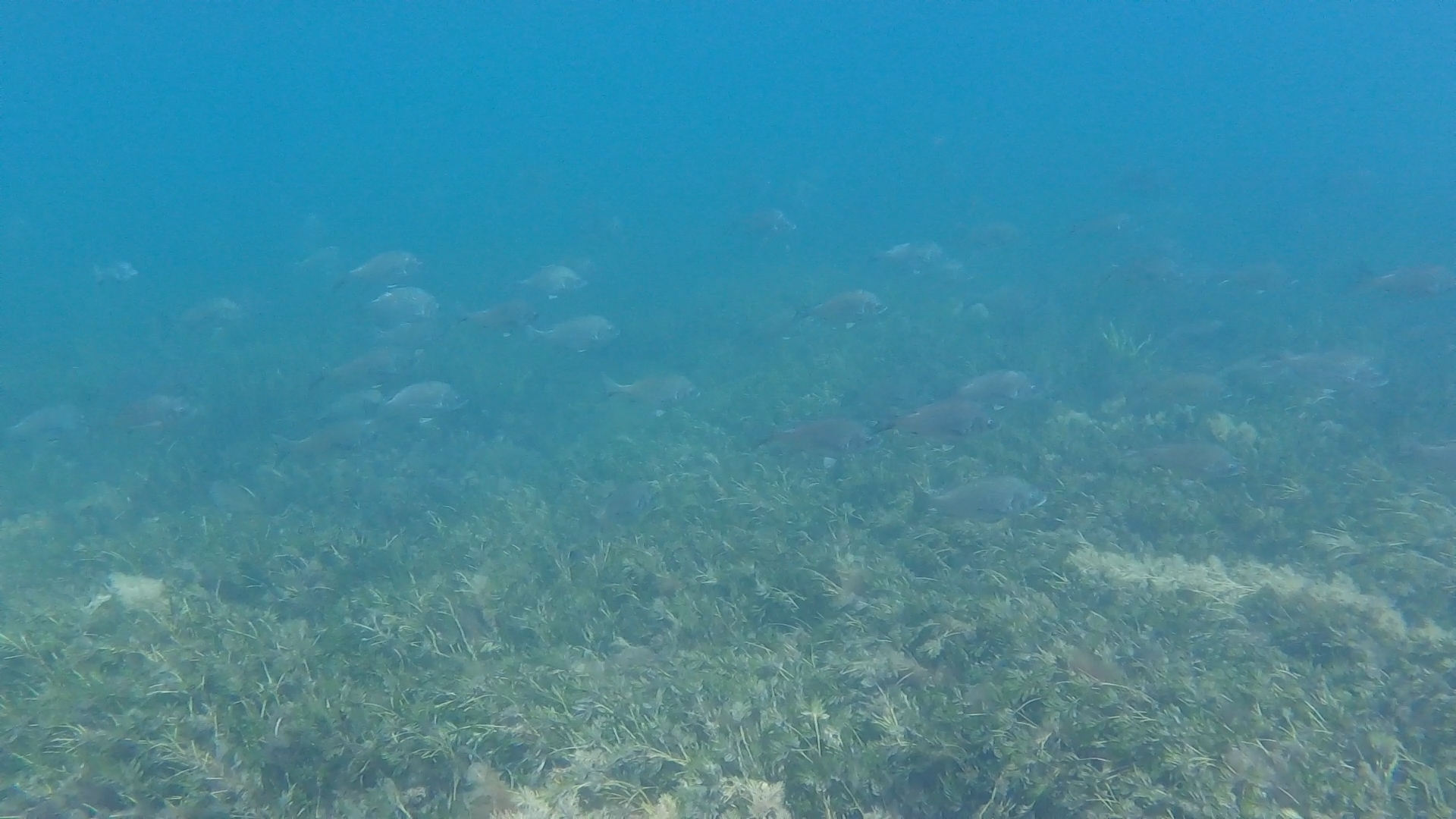
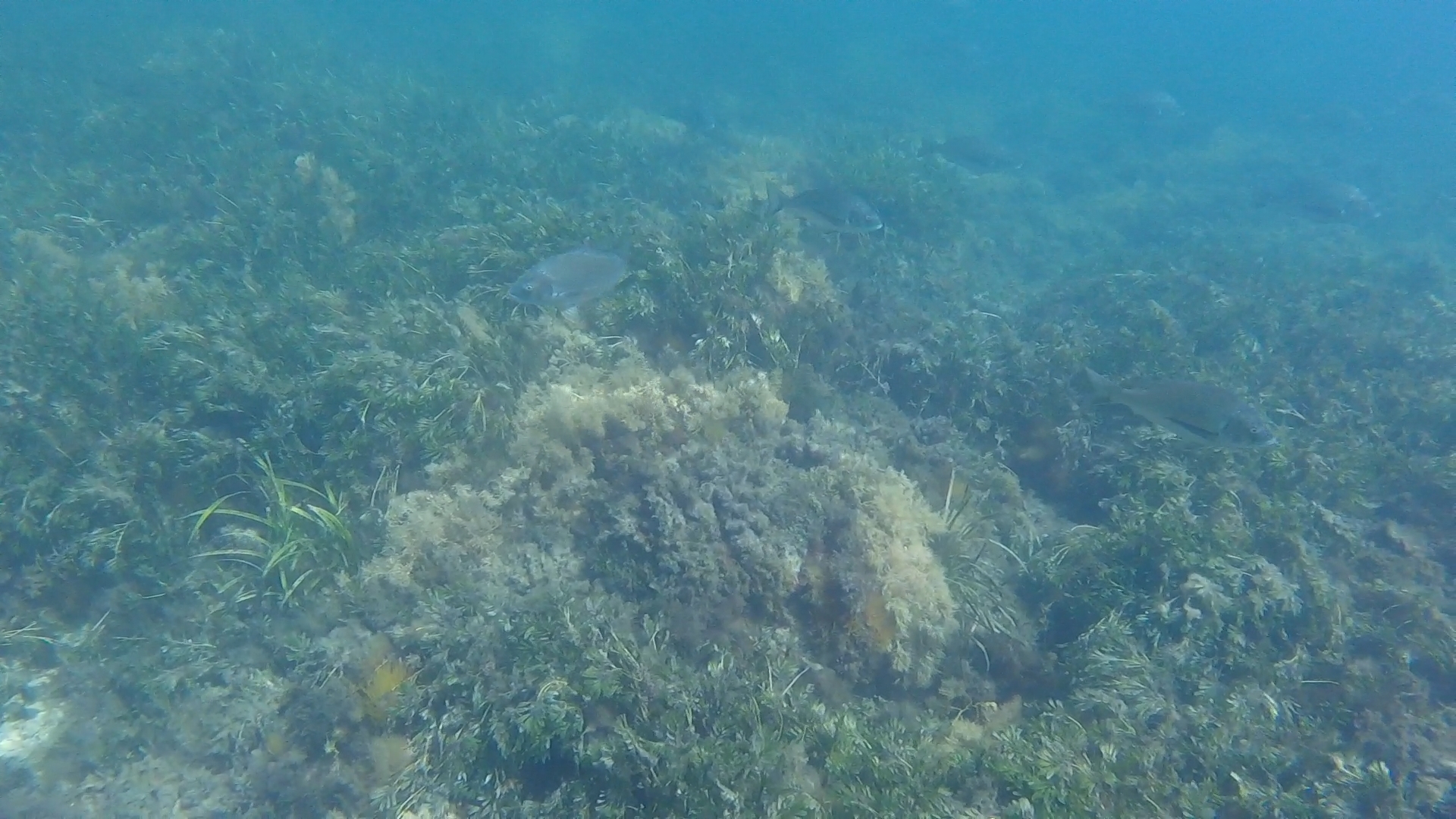
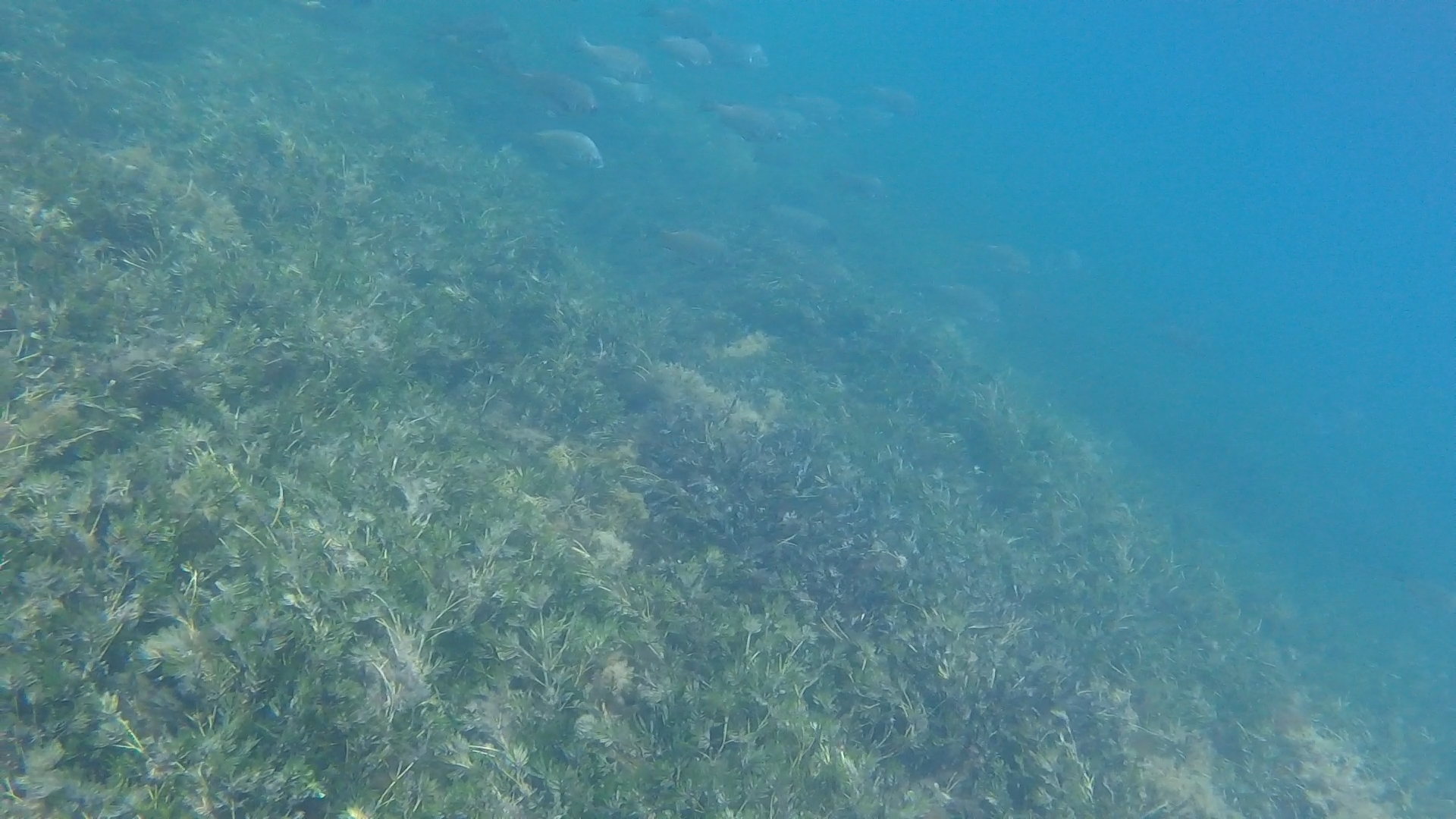
In bays, inlets, estuaries, and in the lower reaches of rivers, in depths of 0-30 m
Size
Can grow up to around 66 cm
Origin
Endemic
Distribution
Endemic to southern Australia, in rivers rivers and estuaries from Ulladulla, New South Wales, to Shark Bay, Western Australia, and thourhgout coastal rivers of Tasmania, and Flinders and Kangaroo Islands
Descriptions
Distribution
Endemic to southern Australia, in rivers rivers and estuaries from Ulladulla, New South Wales, to Shark Bay, Western Australia, and thourhgout coastal rivers of Tasmania, and Flinders and Kangaroo Islands
Habitat
In bays, inlets, estuaries, and in the lower reaches of rivers, in depths of 0-30 m
Size
Can grow up to around 66 cm
Identification
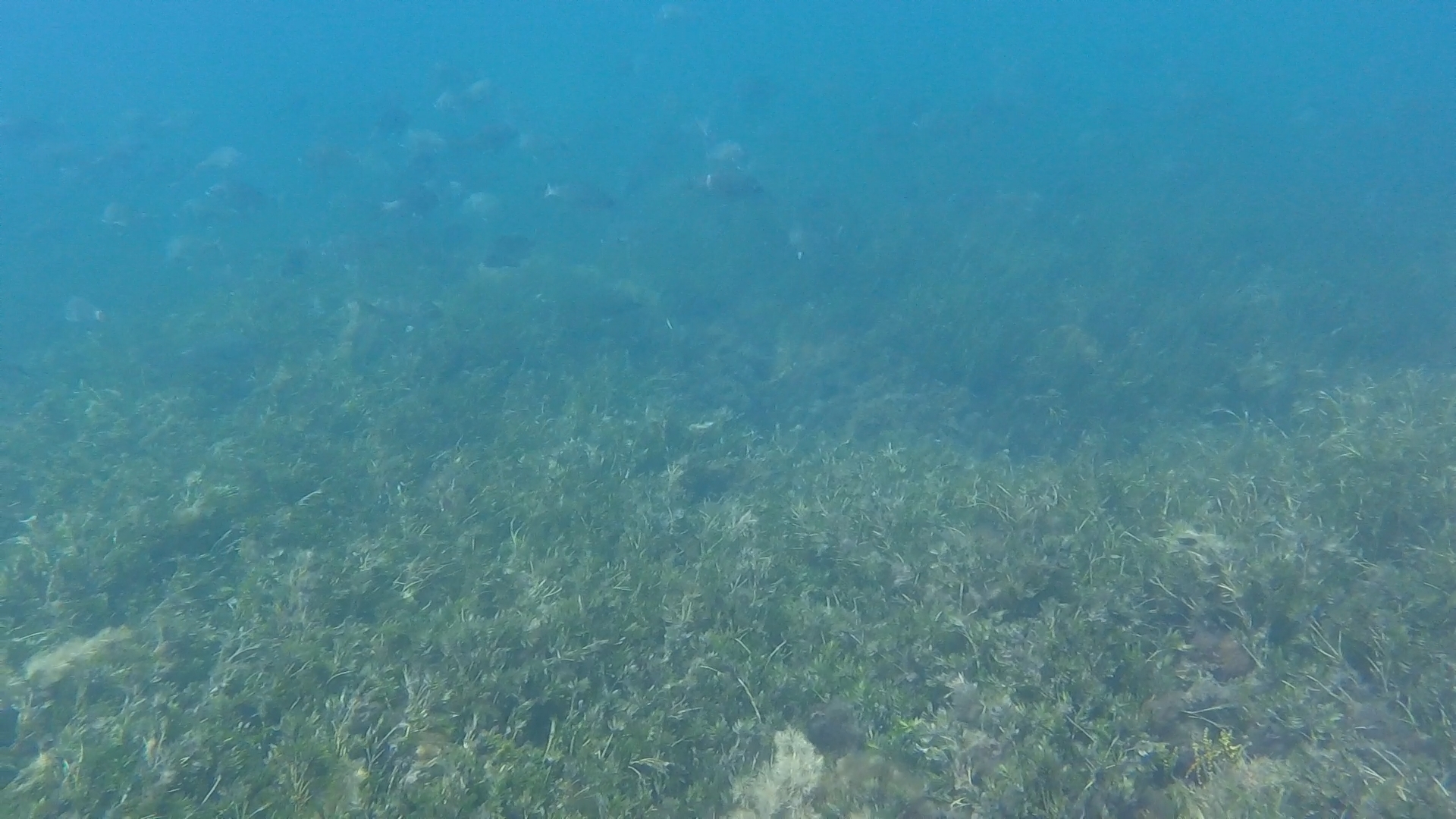
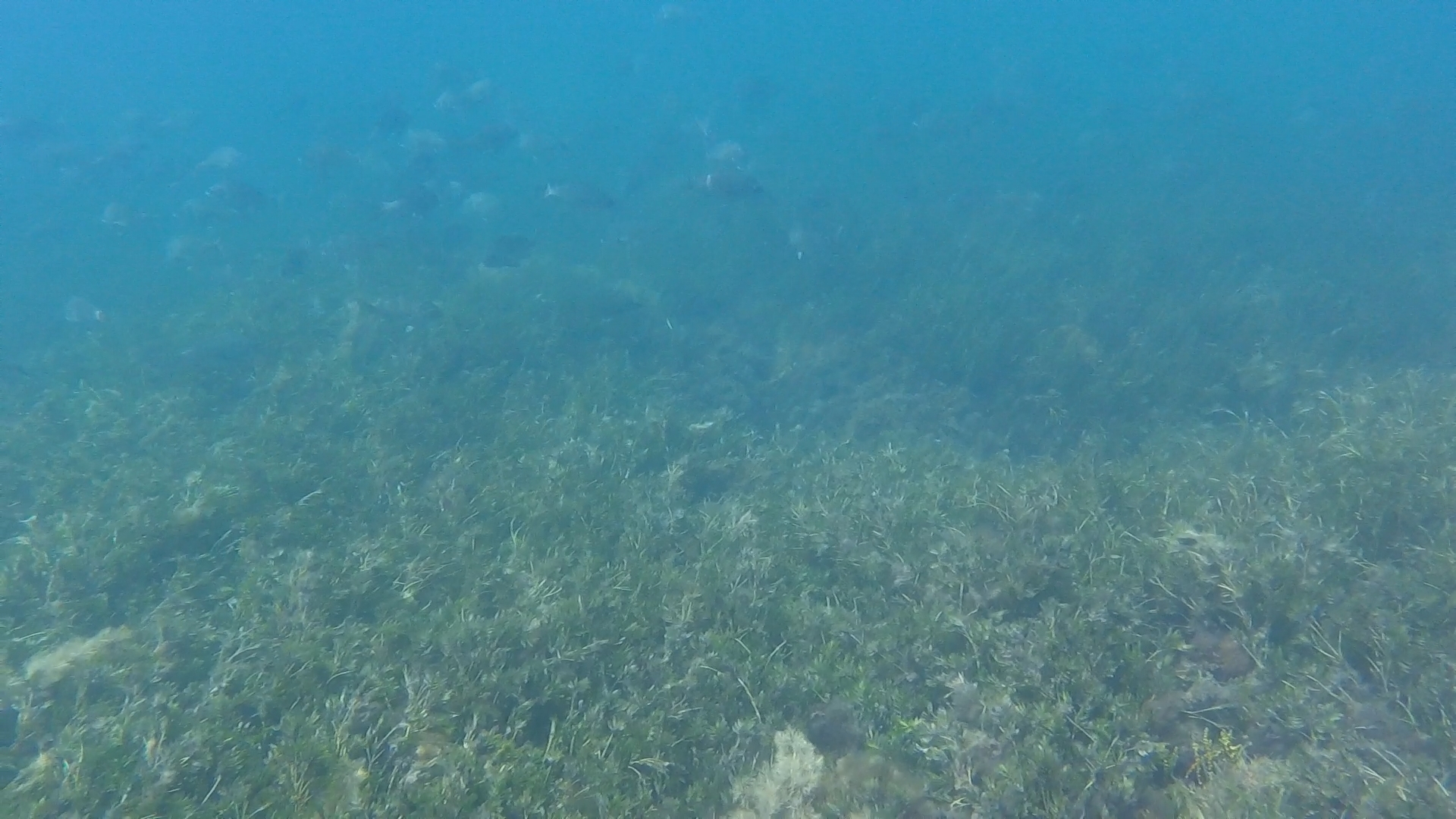
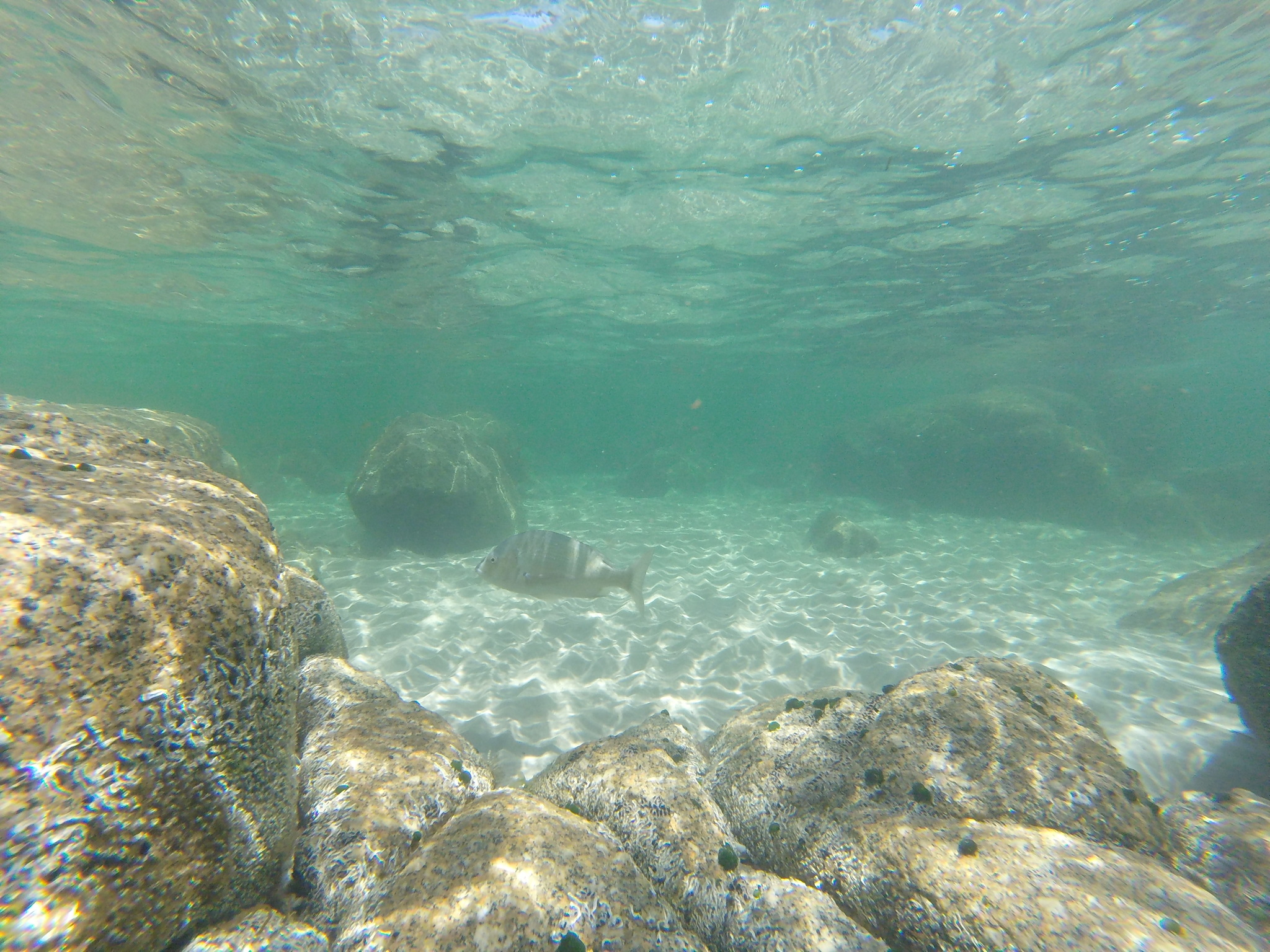
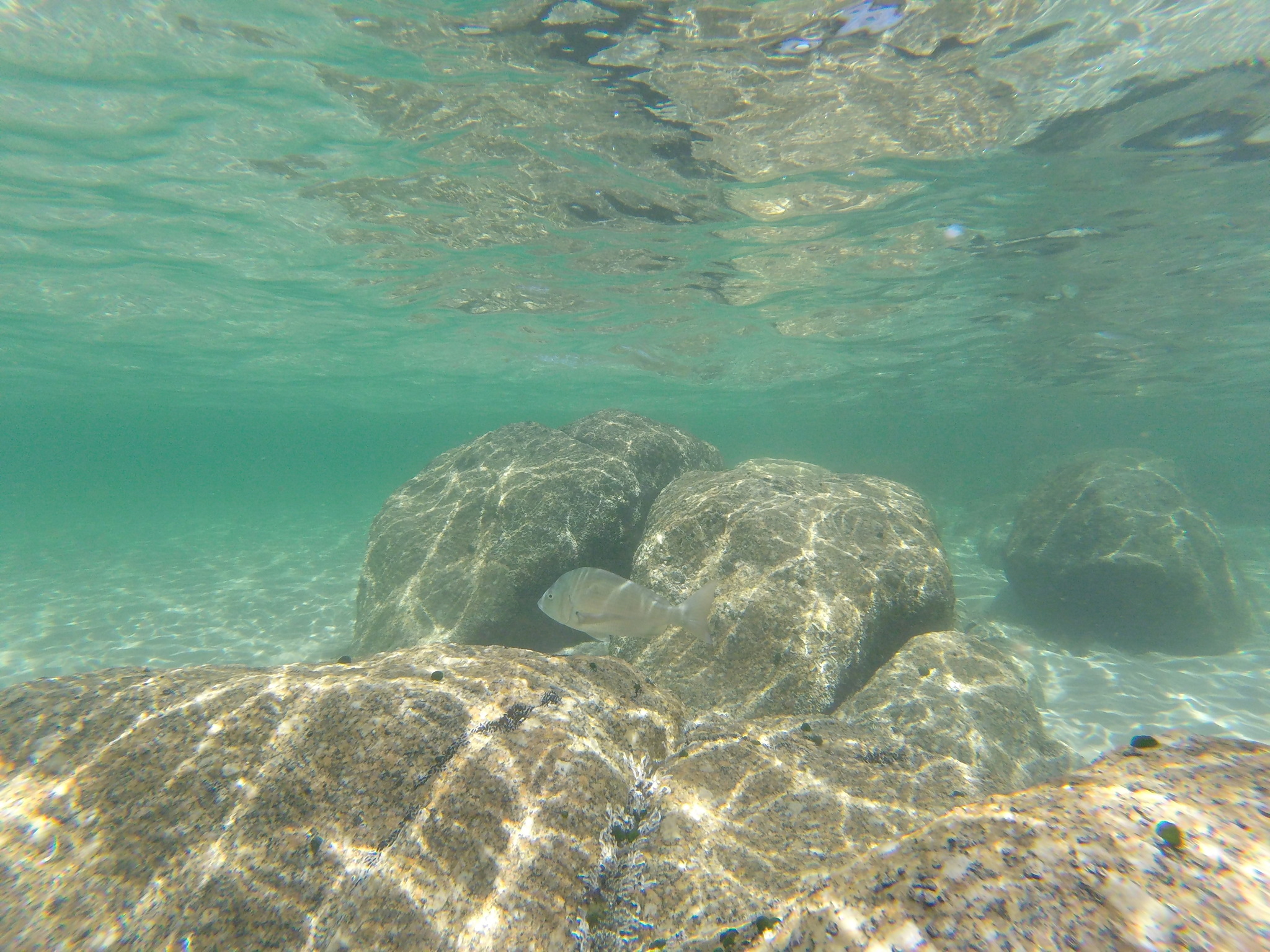
Silvery olive brown to dark bronze or greenish above, whitish below, with brownish-black pelvic and anal fins, a small black spot at pectoral-fin base, caudal fin margin black.

Distribution and map
Distribution provided by The Atlas of Living Australia
Classification
Classification
KingdomAnimalia
PhylumChordata
SubphylumVertebrata
SuperclassGnathostomata
ClassActinopterygii
SubclassEuteleostei
SuperorderAcanthopterygii
OrderPerciformes
SuborderPercoidei
FamilySparidae
GenusAcanthopagrus
SpeciesAcanthopagrus butcheri
Synonyms
Synonyms
There are no known synonyms for this species
References and dates
Original
No original text available
Bibliography
View page references
Added
Wed 17 Jun 2020 @ 00:00 AM
Updated
Tue 25 Oct 2022 @ 23:00 PM
Surveys
View Survey List
Photos
Files
External Links
6 External Links
View External
Links
Disclaimer: A lot of work goes into trying to identify and ensure accurate identifications are made, and that the listed Descriptions, Sizes, Habitats and Distribution information is as accurate and valid as possible. Unfortunately, information in this arena is ever changing and as such no guarantee can be offered that it is correct or currently valid — the information is provided as a guide, and it is always suggested that you do a little research to ensure you have the latest and most accurate information. View the references or bibliography. Feedback and comments on the information provided are always welcome.
From Our Tasmania · https://ourtasmania.au/species-guide/view-species/acanthopagrus-butcheri/