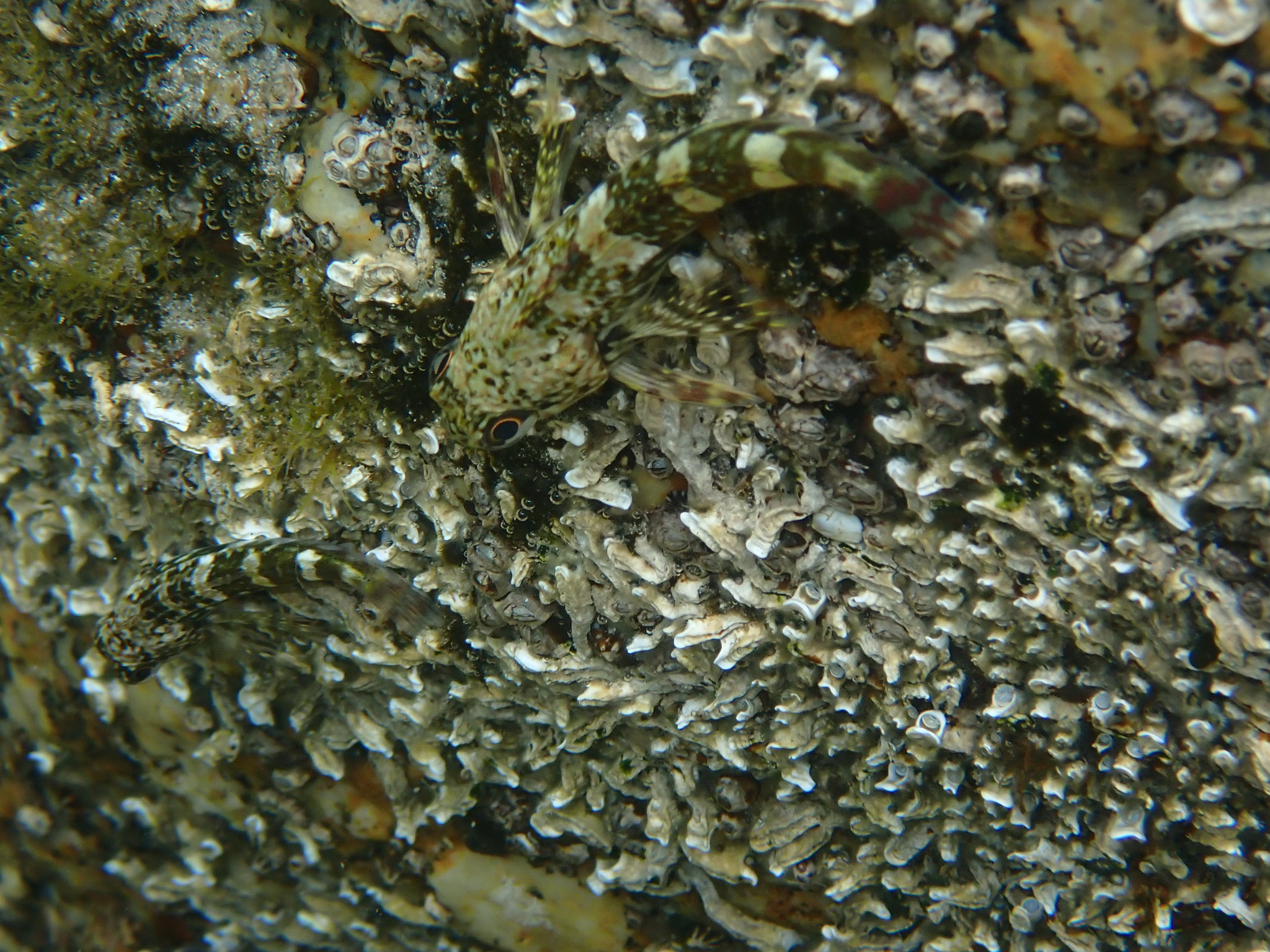
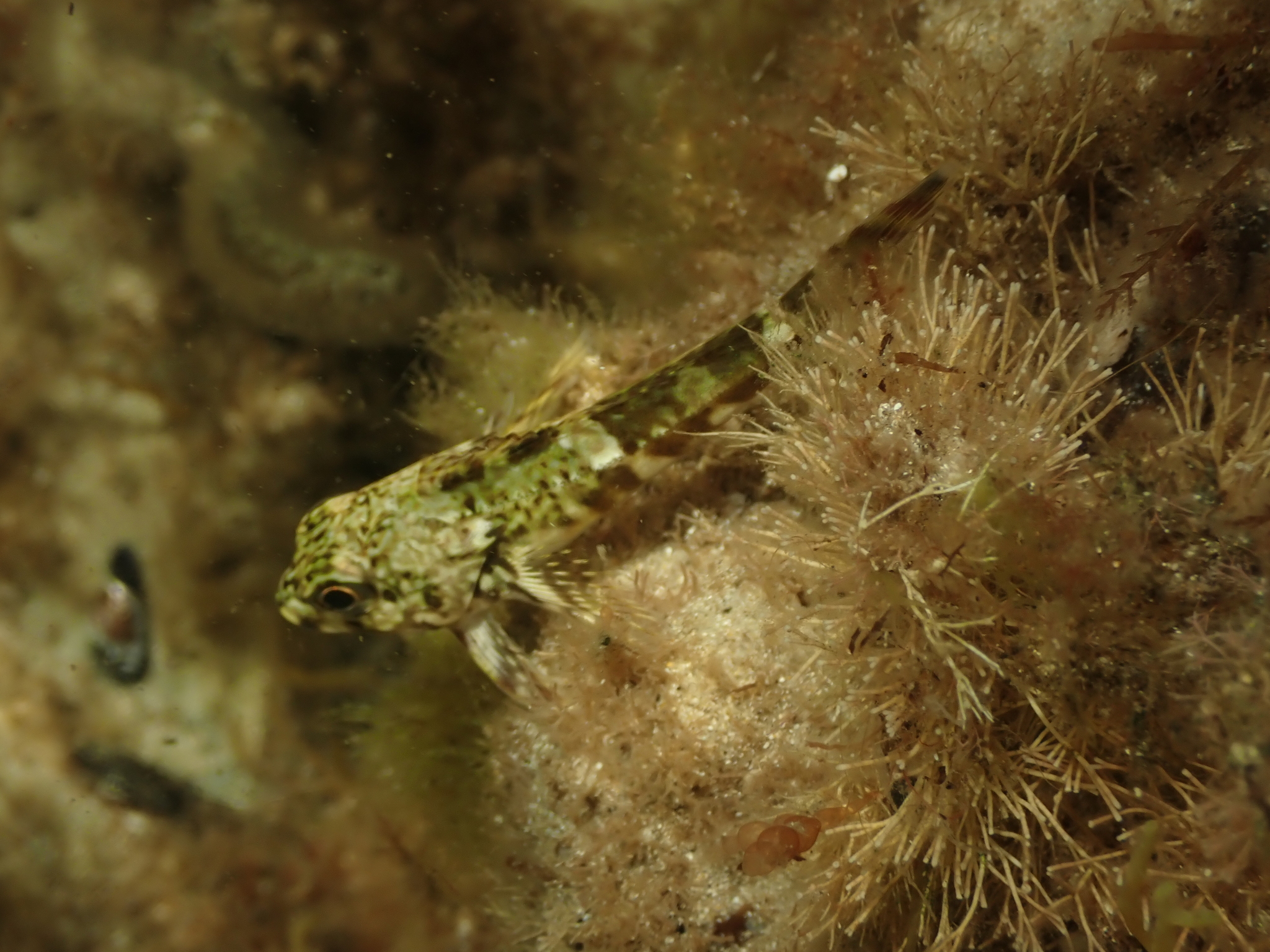
The Dragonet is a small, temperate water fish that has large spines projecting back from the rear of the head. Juvenile dragonet have a drab grey-brown appearance, making them difficult to see in rockpools and on the shallow reefs where they live. Adults generally live in caves in deeper water and often have a bright red background colouration, which blends in with nearby coralline algae-encrusted rock.

At a glance

Dragonet at a glance

Habitat It is found in a range of habitats including rocky reefs, tide pools and wharf pilings in temperate marine waters
Size Can grow to around 28 cm whilst smaller individuals are more common
Origin Endemic
Distribution From southern New South Wales to the central coast of South Australia and throughout coastal Tasmania
Descriptions
Distribution
From southern New South Wales to the central coast of South Australia and throughout coastal Tasmania
Habitat
It is found in a range of habitats including rocky reefs, tide pools and wharf pilings in temperate marine waters
Size
Can grow to around 28 cm whilst smaller individuals are more common
Common Name Dragonet
Aliases No Known Aliases
Origin Endemic
Share
Distribution and map

Distribution provided by The Atlas of Living Australia

Classification

Classification

KingdomAnimalia
PhylumChordata
SubphylumVertebrata
SuperclassGnathostomata
SubclassEuteleostei
SuperorderAcanthopterygii
Synonyms

Synonyms

There are no known synonyms for this species
References and dates
Original No original text available
Bibliography View page references
Added Sun 17 May 2020 @ 00:00 AM
Updated Sun 31 Jul 2022 @ 00:00 AM
Files
Type Details Version Size Added Updated Links
There are no downloads or Files for this species at the moment

Disclaimer: A lot of work goes into trying to identify and ensure accurate identifications are made, and that the listed Descriptions, Sizes, Habitats and Distribution information is as accurate and valid as possible. Unfortunately, information in this arena is ever changing and as such no guarantee can be offered that it is correct or currently valid — the information is provided as a guide, and it is always suggested that you do a little research to ensure you have the latest and most accurate information. View the references or bibliography. Feedback and comments on the information provided are always welcome.