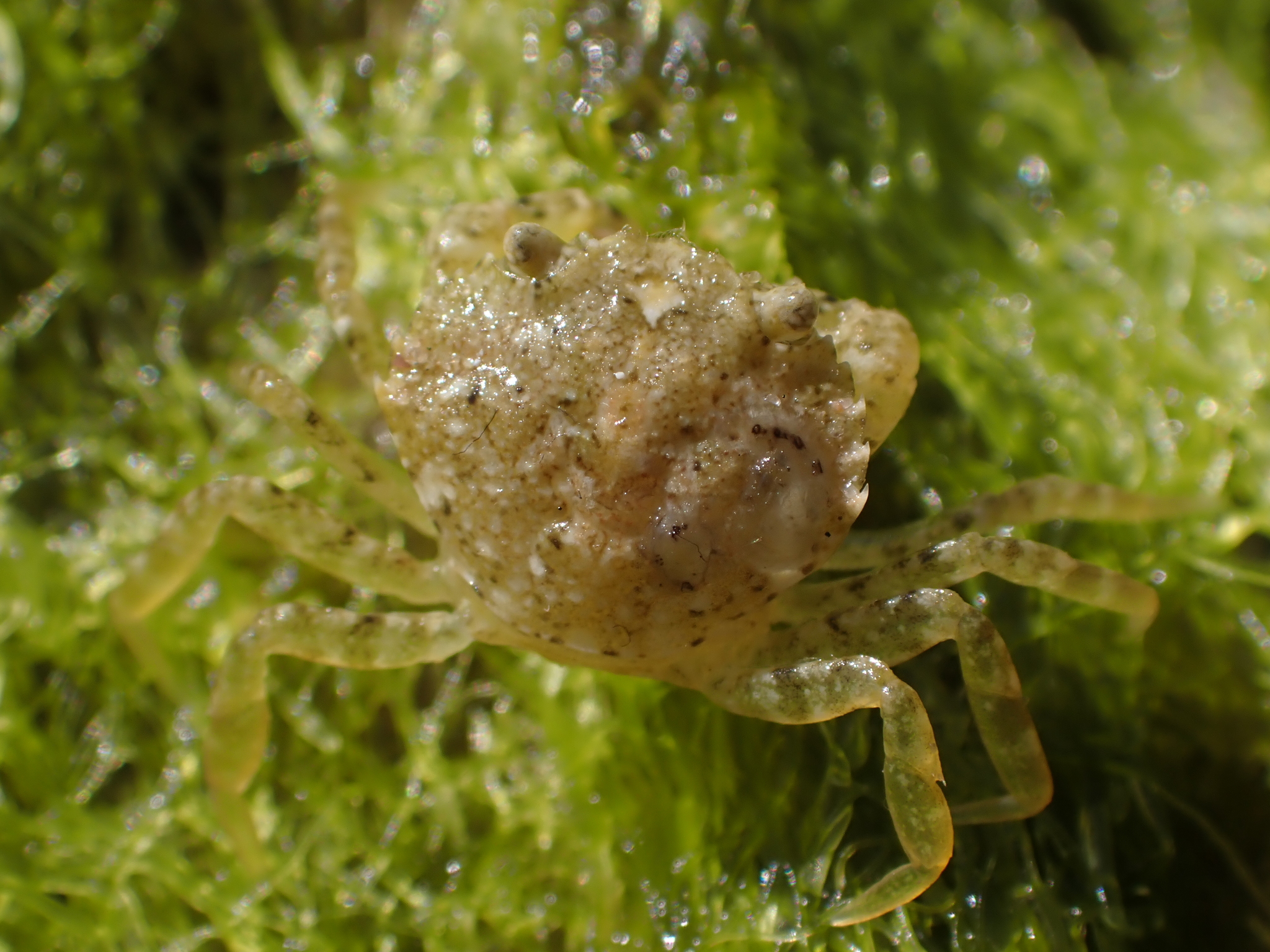
This crab varies in colour a lot and looks similar to other native species although is an invasive crab listed amongst the 100 most damaging intruders in the world coming in at number 18. It is an aggressive feeder and can out compete native species for food, now widespread and common species in Tasmania and considered naturalised. Unfortunately this means there is little that can be done to remove this crab as it's range expands around the world.
Believed to have been introduced in Australia a century ago in dry ballast it has since spread across the southern states, Tasmania, Victoria and South Australia.
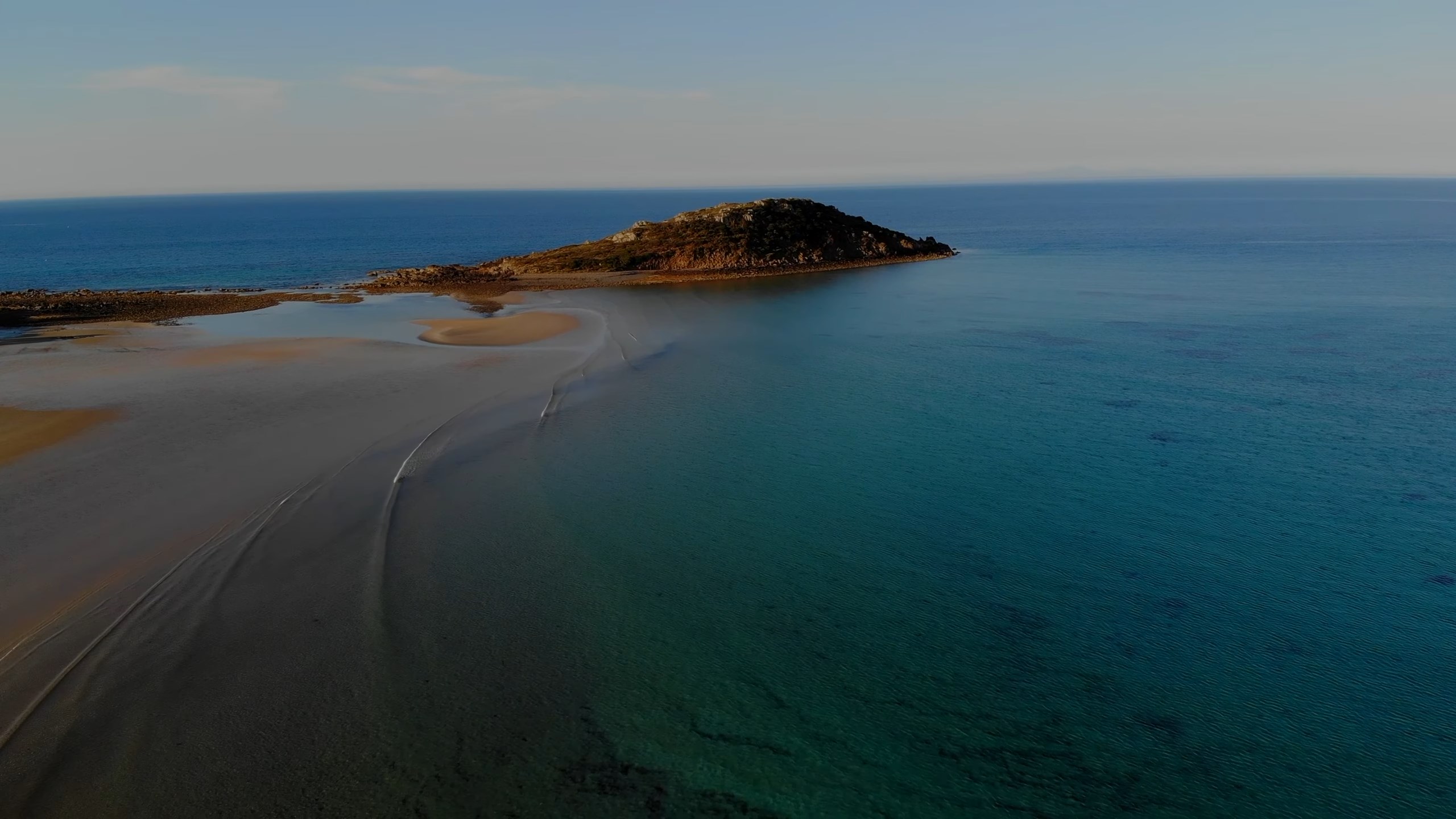
Locally it is common along Tomahawk Beach, West Tomahawk Beach and Waterhouse Conservation Area, from beachcombing to foraging through rock pools you are sure to come across this species.
Similar Species include Ovalipes australiensis, Nectocarcinus integrifrons, Nectocarcinus tuberculosus
At a glance
European Green Crab at a glance
Identification
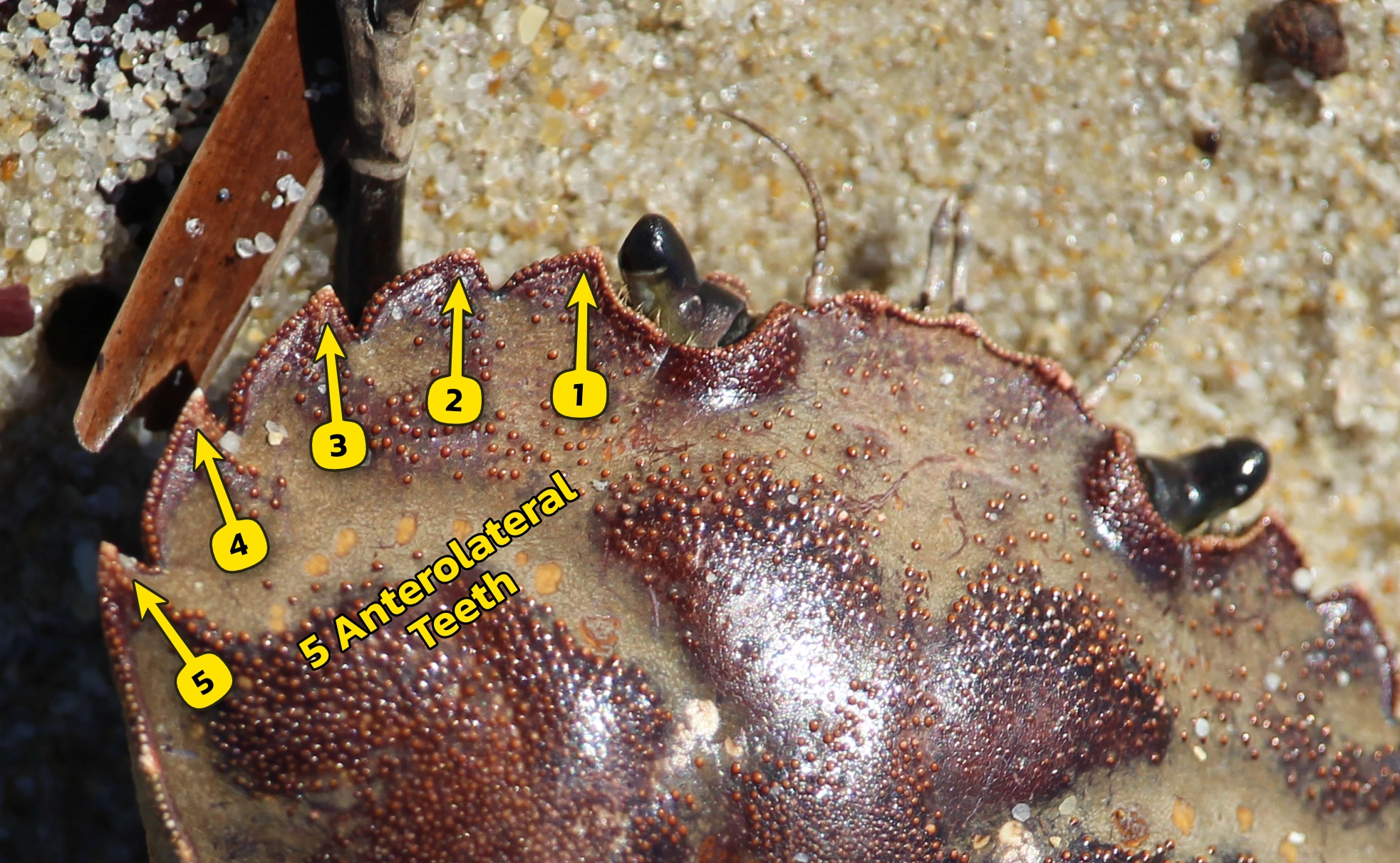
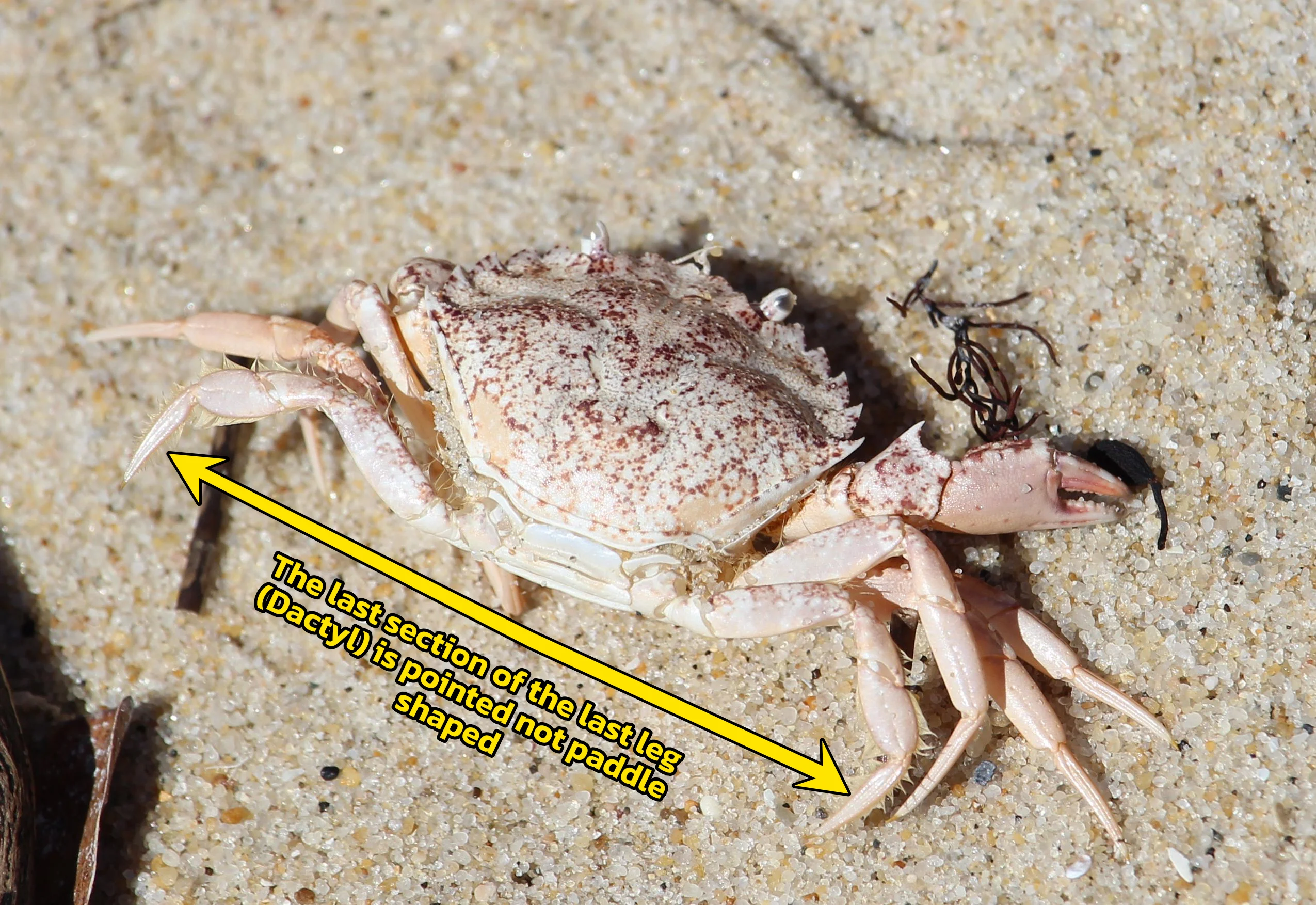
To identify this crab, examine the shape of the carapace, especially the notches or anterolateral teeth (the triangular spines located to the outside of the eyes). There should be five of these teeth. Additionally, note that the last leg is pointed rather than rounded, lacking a swimming paddle. The images below illustrate these features for reference.
There are other features such as the shape of the frontal region however the above two characteristics are the easiest to spot colour also varies greatly from pale greenish whites to greenish browns depending on age of the crab.



Articles
Articles
 Identifying Crabs at Tomahawk Beach
Distribution and map
Distribution provided by The Atlas of Living Australia
Classification
Classification
Synonyms
Synonyms
References and dates




Disclaimer: A lot of work goes into trying to identify and ensure accurate identifications are made, and that the listed Descriptions, Sizes, Habitats and Distribution information is as accurate and valid as possible. Unfortunately, information in this arena is ever changing and as such no guarantee can be offered that it is correct or currently valid — the information is provided as a guide, and it is always suggested that you do a little research to ensure you have the latest and most accurate information. View the references or bibliography. Feedback and comments on the information provided are always welcome.
From Our Tasmania · https://ourtasmania.au/species-guide/view-species/carcinus-maenas/