Although this is the largest morwong species, it is not a popular angling fish due to the dark strong smelling flesh of large adults

At a glance

Dusky Morwong at a glance

Habitat They can be found around seagrass and weed beds and rocky outcrops or reefs in coastal waters
Size Can grow up to around 120cm however usally around half of that at around 60cm
Origin Native
Distribution They can be found around the southern coasts of Australia from WA to NSW including around Tasmania
Descriptions
Distribution
They can be found around the southern coasts of Australia from WA to NSW including around Tasmania
Habitat
They can be found around seagrass and weed beds and rocky outcrops or reefs in coastal waters
Size
Can grow up to around 120cm however usally around half of that at around 60cm

Identification

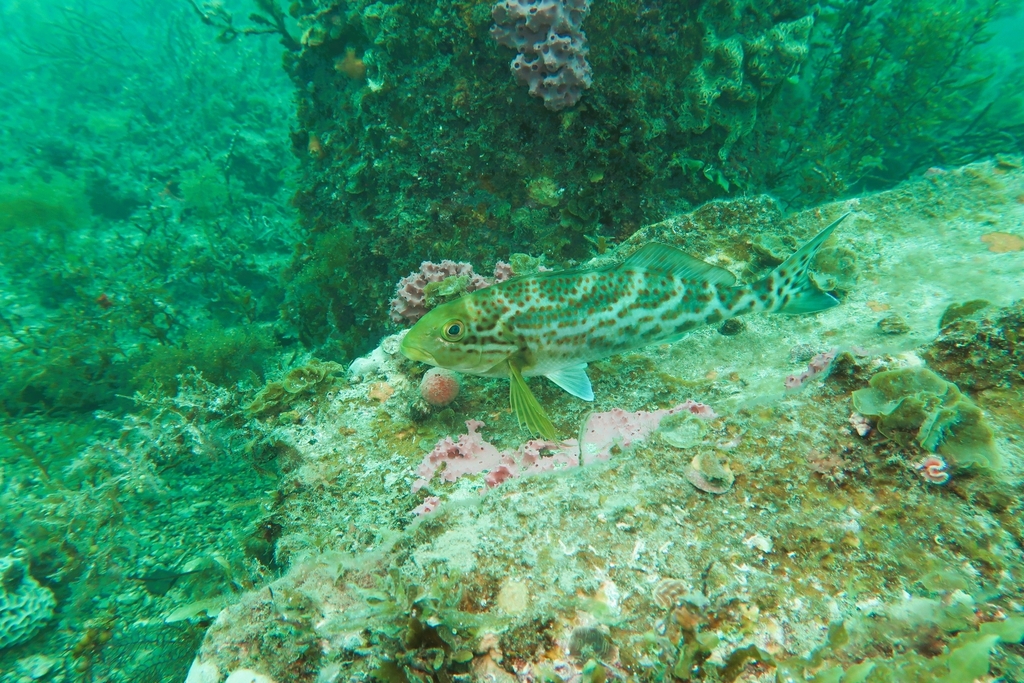
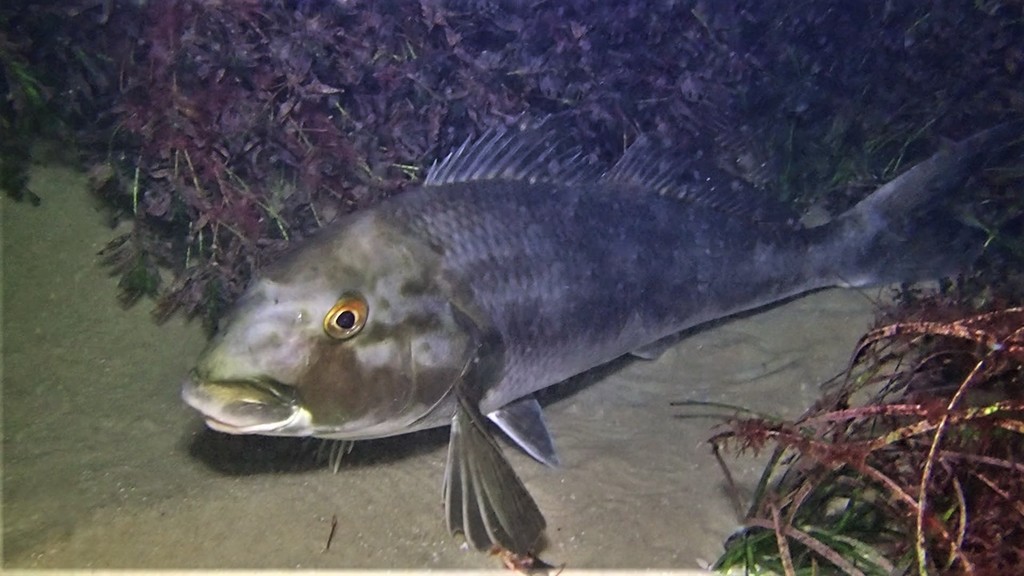
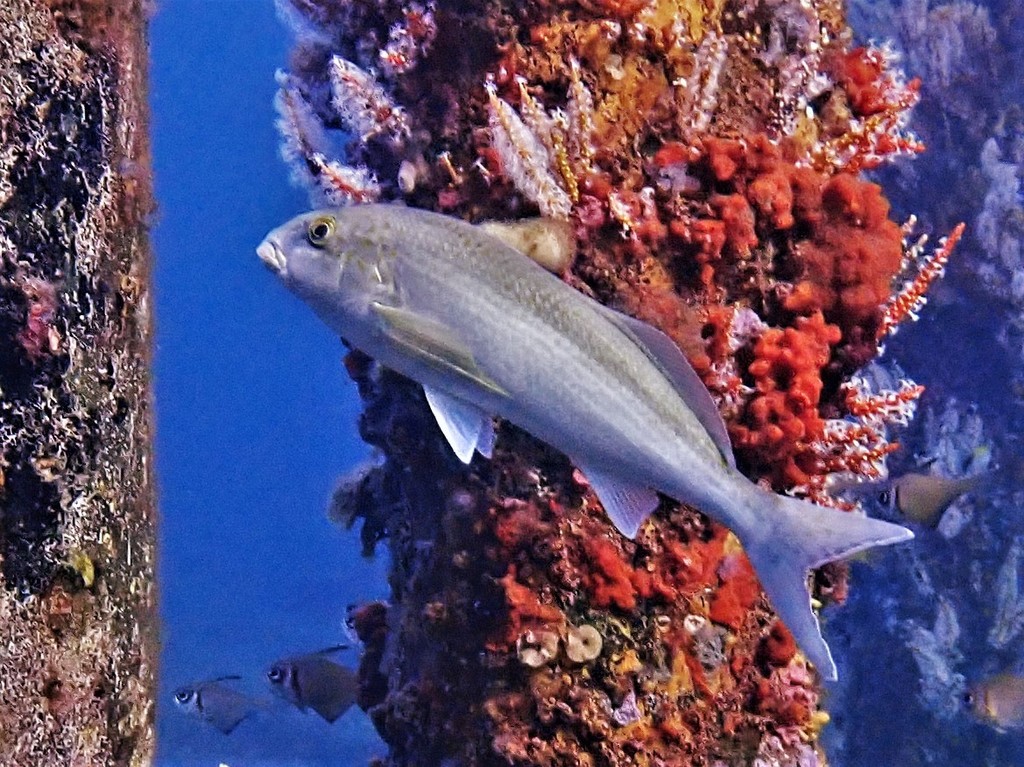
Body long and tapering, with a small mouth, thick lips, and the lower pectoral-fin rays extended and thickened. Adults greyish to brownish-grey or greyish-green, paler below; immature fish are more silvery with orange spots on the uppersides and tail. The small silvery juveniles are deep-bodied and compressed with a series of dark brown bars along the back and large orange spots on the sides
Common Name Dusky Morwong
Aliases No Known Aliases
Origin Native
Tags
Share
Distribution and map

Distribution provided by The Atlas of Living Australia

Classification

Classification

KingdomAnimalia
PhylumChordata
SubphylumVertebrata
SuperclassGnathostomata
SubclassEuteleostei
SuperorderAcanthopterygii
SuborderPercoidei
Synonyms

Synonyms

There are no known synonyms for this species
References and dates
Original No original text available
Bibliography View page references
Added Fri 30 Dec 2022 @ 23:00 PM
Updated Fri 30 Dec 2022 @ 23:00 PM
Files
Type Details Version Size Added Updated Links
There are no downloads or Files for this species at the moment

Disclaimer: A lot of work goes into trying to identify and ensure accurate identifications are made, and that the listed Descriptions, Sizes, Habitats and Distribution information is as accurate and valid as possible. Unfortunately, information in this arena is ever changing and as such no guarantee can be offered that it is correct or currently valid — the information is provided as a guide, and it is always suggested that you do a little research to ensure you have the latest and most accurate information. View the references or bibliography. Feedback and comments on the information provided are always welcome.