It is the most widely distributed syrphid species in the world and is known from all regions except the Antarctic.
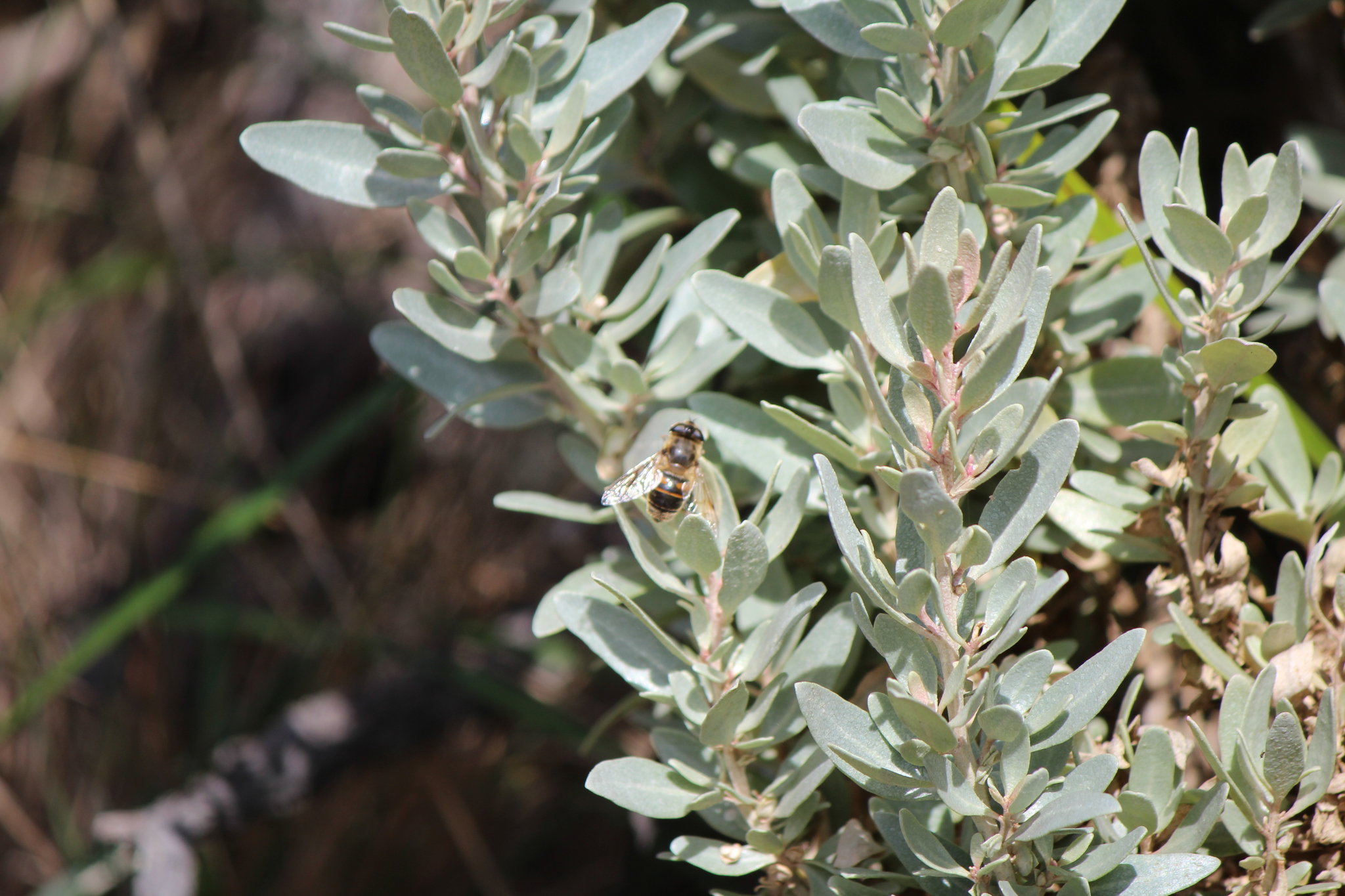
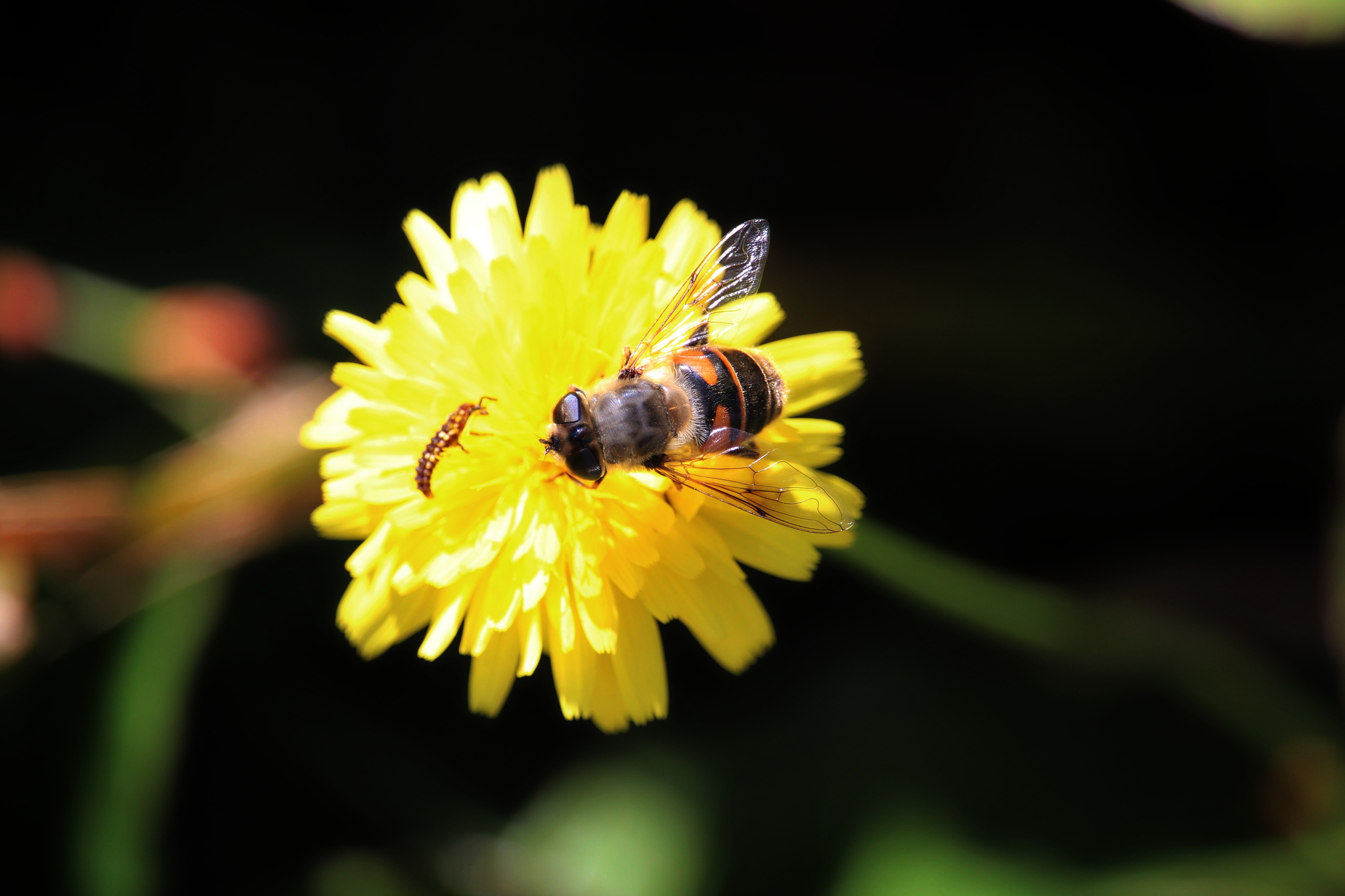
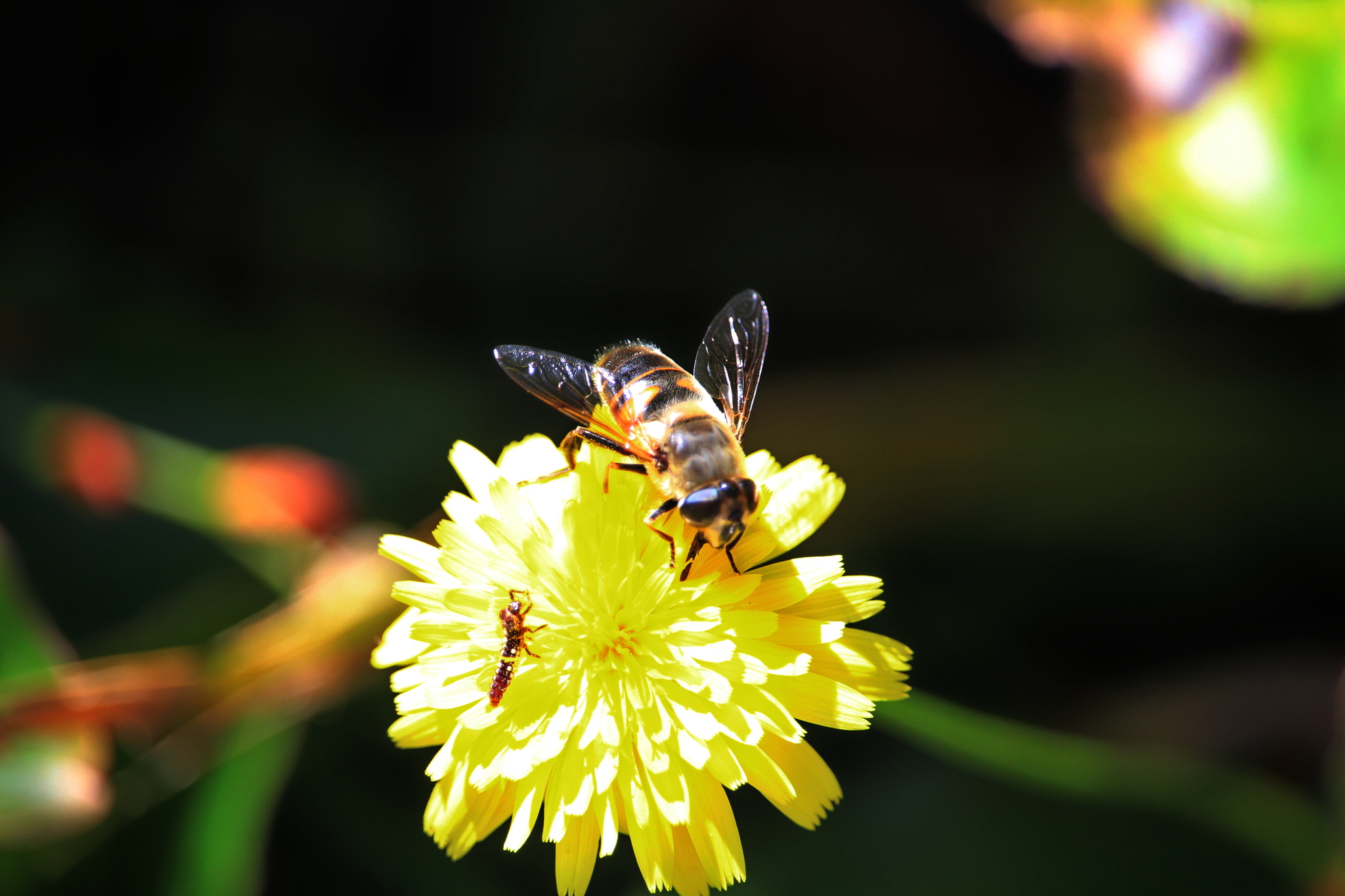
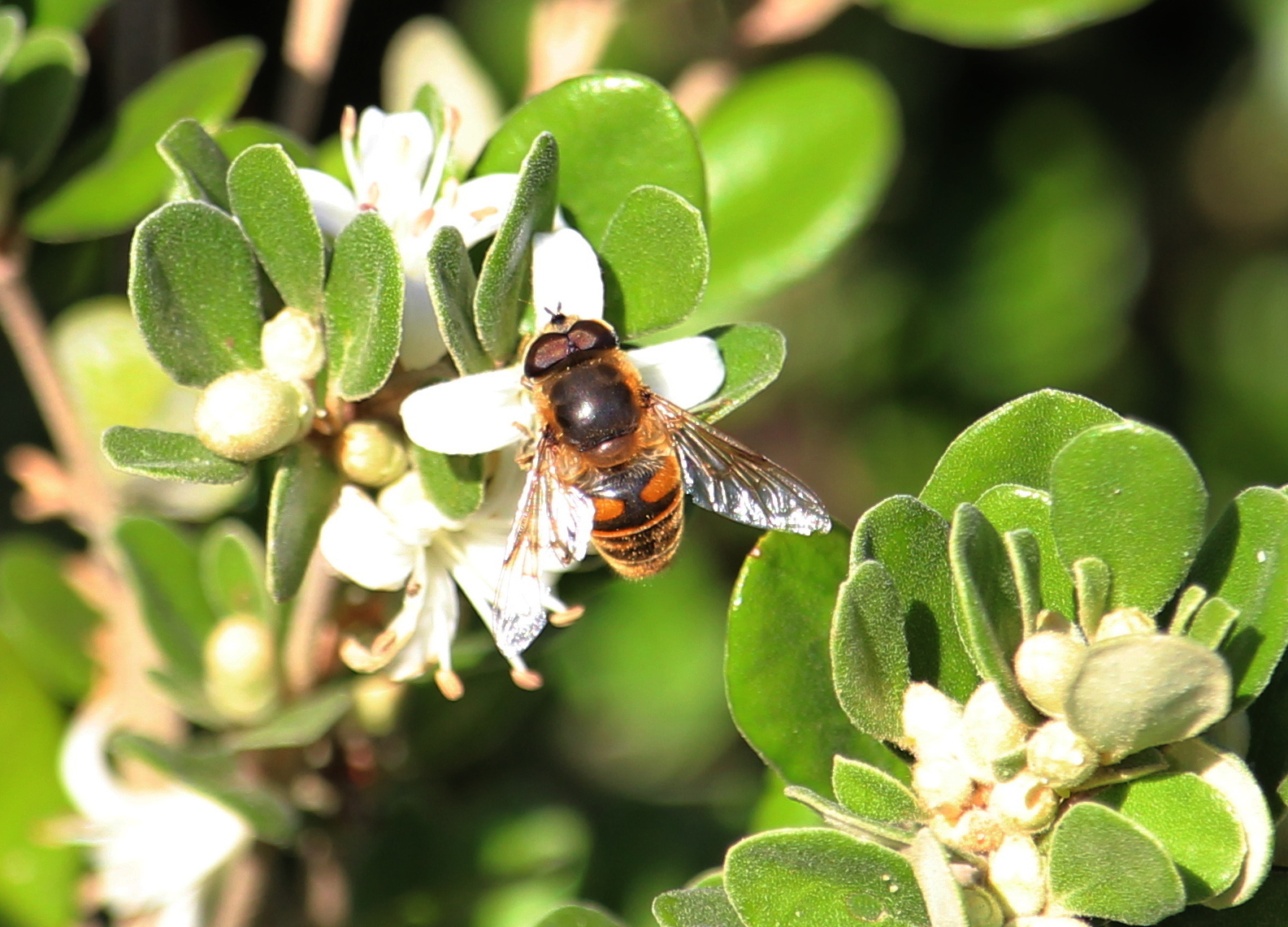
It has a hairy body with wide black and yellow to orange stripes
Drone Flies feed on nectar and are important pollinators. The aquatic larvae, known as a Rat-tailed Maggots, have an extendible breathing tube that they use like a snorkel to breathe.
At a glance
Drone Fly at a glance
Habitat
On flowers (adult flies) or wet areas such as drains and sewers (larva)
Size
Body up to 2 cm long
Origin
Native
Distribution
South-eastern mainland Australia and Tasmania
Descriptions
Distribution
South-eastern mainland Australia and Tasmania
Habitat
On flowers (adult flies) or wet areas such as drains and sewers (larva)
Size
Body up to 2 cm long
Distribution and map
Distribution provided by The Atlas of Living Australia
Classification
Classification
KingdomAnimalia
PhylumArthropoda
SubphylumHexapoda
ClassInsecta
SubclassPterygotes
OrderDiptera
SuborderCyclorrhapha
InfraorderAschiza
SuperfamilySyrphoidea
FamilySyrphidae
GenusEristalis
SpeciesEristalis tenax
Synonyms
Synonyms
There are no known synonyms for this species
References and dates
Original
No original text available
Bibliography
View page references
Added
Wed 10 Jun 2020 @ 00:00 AM
Updated
Sun 7 Nov 2021 @ 23:00 PM
Surveys
View Survey List
Photos
Files
External Links
2 External Links
View External
Links
Disclaimer: A lot of work goes into trying to identify and ensure accurate identifications are made, and that the listed Descriptions, Sizes, Habitats and Distribution information is as accurate and valid as possible. Unfortunately, information in this arena is ever changing and as such no guarantee can be offered that it is correct or currently valid — the information is provided as a guide, and it is always suggested that you do a little research to ensure you have the latest and most accurate information. View the references or bibliography. Feedback and comments on the information provided are always welcome.
From Our Tasmania · https://ourtasmania.au/species-guide/view-species/eristalis-tenax/