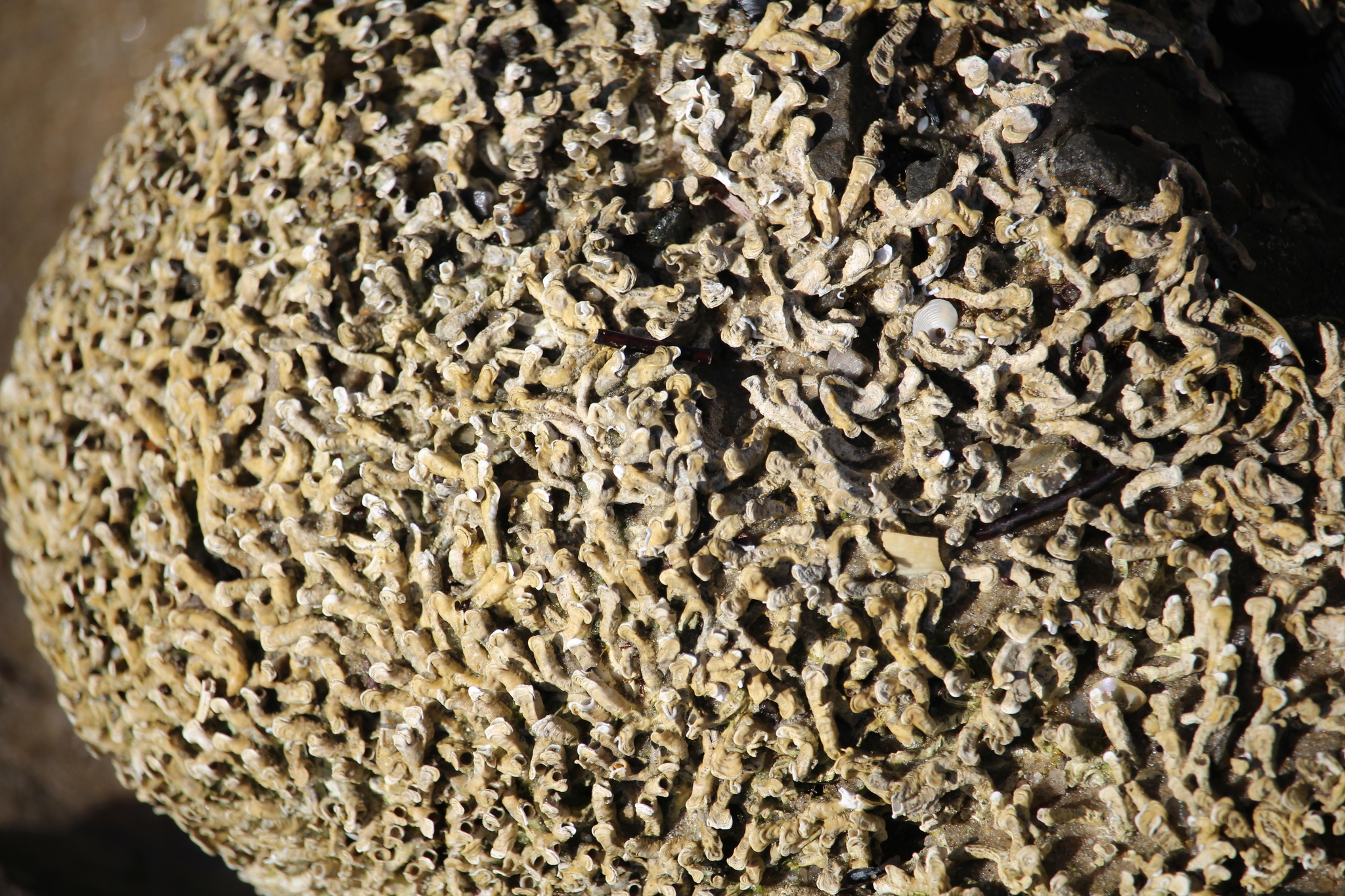
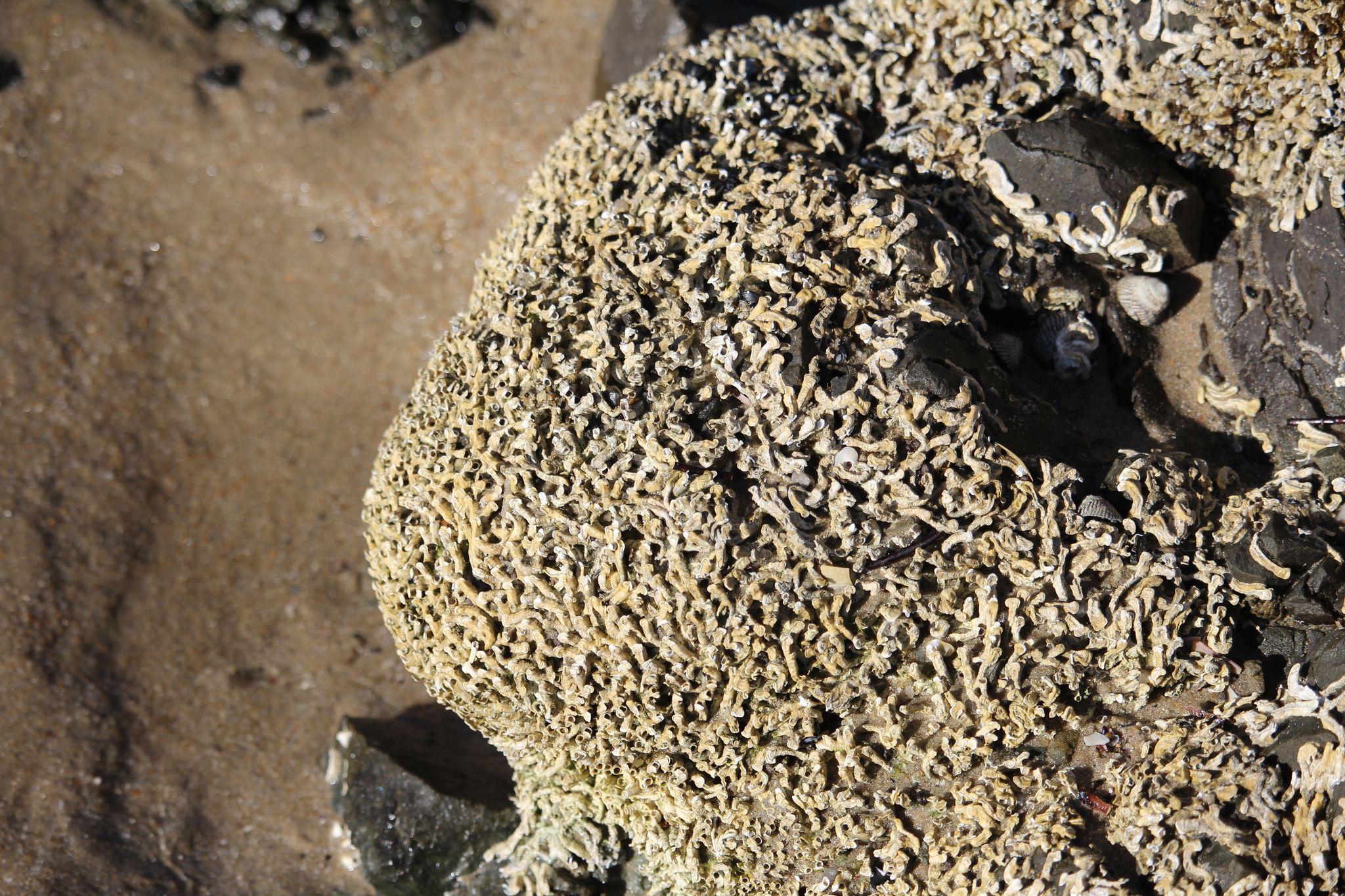
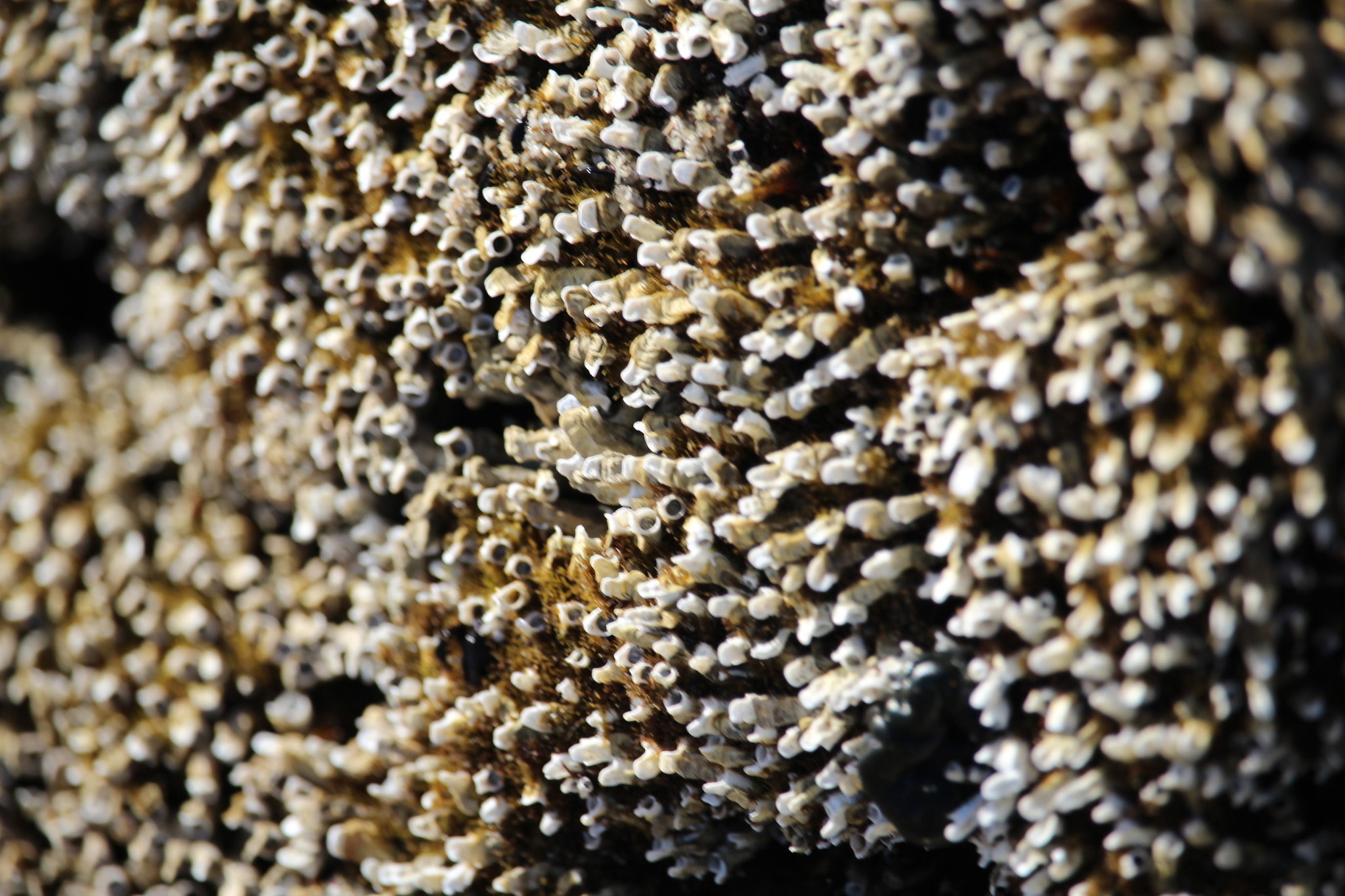
Noticeable along the shoreline due to the white to grey calcareous tubes they build and live in, the worm itself is concealed with the tube only appearing during tidal movements to feed.
The symmetrical worm uses tentacles as gills and to feed and has an operculum that seals the tube during low tides
At a glance
Intertidal Tube Worm at a glance
Habitat
Grows in colonies on rocks and piers in the interidal zone
Size
Indiviual worms can grow to around 20mm
Origin
Endemic
Distribution
Southern Australia from southern WA to Victoria and around Tasmania
Descriptions
Distribution
Southern Australia from southern WA to Victoria and around Tasmania
Habitat
Grows in colonies on rocks and piers in the interidal zone
Size
Indiviual worms can grow to around 20mm
Distribution and map
Distribution provided by The Atlas of Living Australia
Classification
Classification
KingdomAnimalia
PhylumAnnelida
ClassPolychaeta
SubclassSedentaria
SuperorderCanalipalpata
OrderSabellida
FamilySerpulidae
SubfamilySerpulinae
TribeFicopomatini
GenusGaleolaria
SpeciesGaleolaria caespitosa
Synonyms
Synonyms
There are no known synonyms for this species
References and dates
Original
No original text available
Bibliography
View page references
Added
Thu 15 Jul 2021 @ 00:00 AM
Updated
Sun 25 Sep 2022 @ 00:00 AM
Surveys
View Survey List
Photos

Files
External Links
4 External Links
View External
Links
Disclaimer: A lot of work goes into trying to identify and ensure accurate identifications are made, and that the listed Descriptions, Sizes, Habitats and Distribution information is as accurate and valid as possible. Unfortunately, information in this arena is ever changing and as such no guarantee can be offered that it is correct or currently valid — the information is provided as a guide, and it is always suggested that you do a little research to ensure you have the latest and most accurate information. View the references or bibliography. Feedback and comments on the information provided are always welcome.
From Our Tasmania · https://ourtasmania.au/species-guide/view-species/galeolaria-caespitosa/