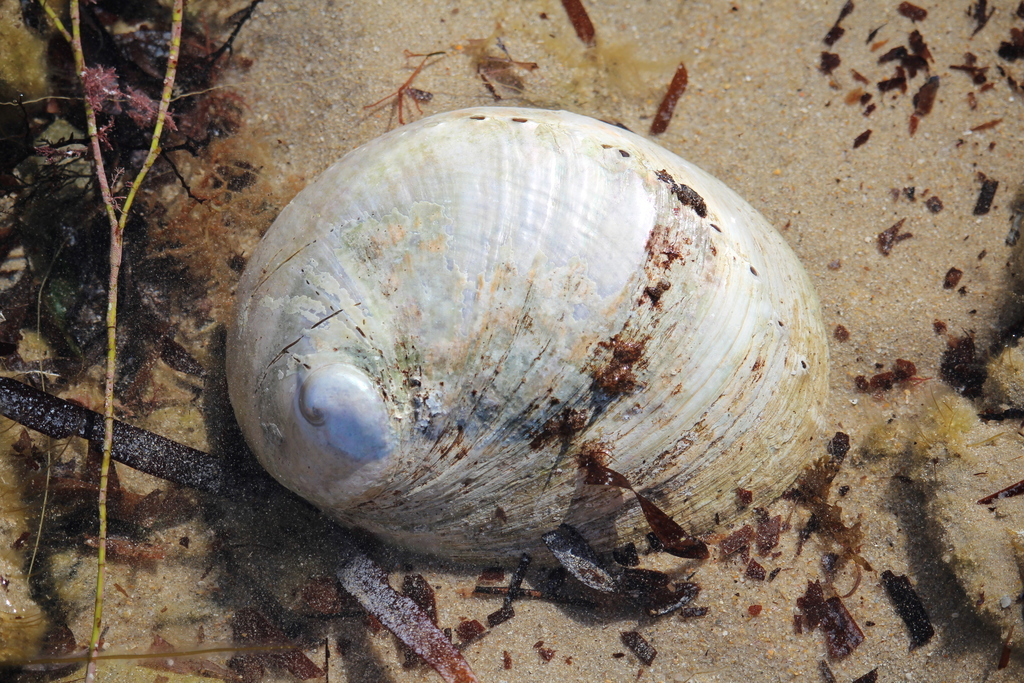
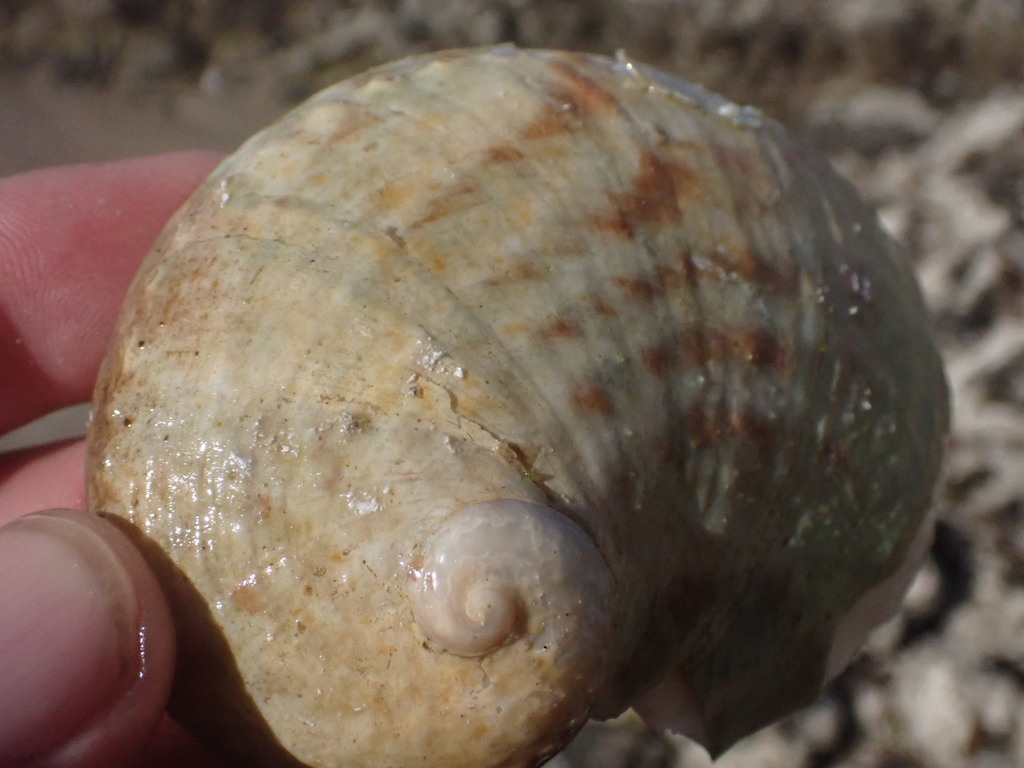
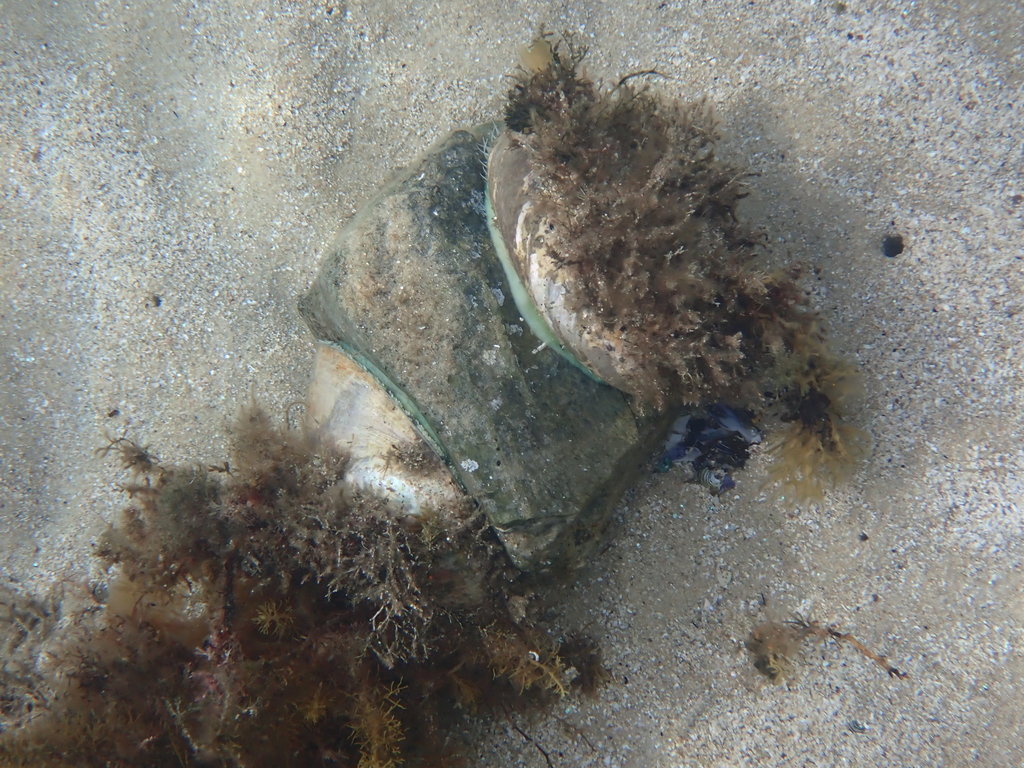
The Green-lipped Abalone is the largest of the Abalone species in Australian waters. This species is harvested commercially and recreationally for food and as such strict regulations apply to their capture and possession in Tasmania

At a glance

Greenlip Abalone at a glance

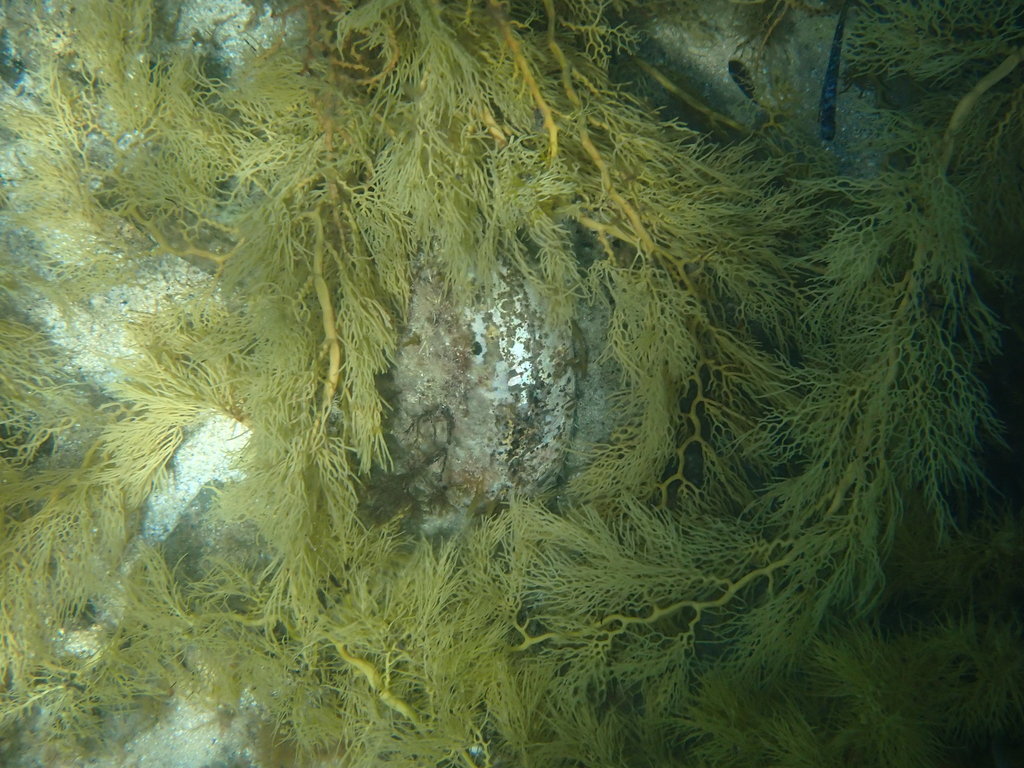
Habitat They are normally found in crevices and under boulders on rocky reefs in calm to rough water, up to 40 m depth
Size They grow up to around 23cm
Origin Endemic
Distribution Southern Australia from south WA to Victoria and Tasmania. In Tasmanian waters, this species is largely confined to the N coast and Bass Strait islands, where often common
Descriptions
Distribution
Southern Australia from south WA to Victoria and Tasmania. In Tasmanian waters, this species is largely confined to the N coast and Bass Strait islands, where often common
Habitat
They are normally found in crevices and under boulders on rocky reefs in calm to rough water, up to 40 m depth
Size
They grow up to around 23cm

Identification

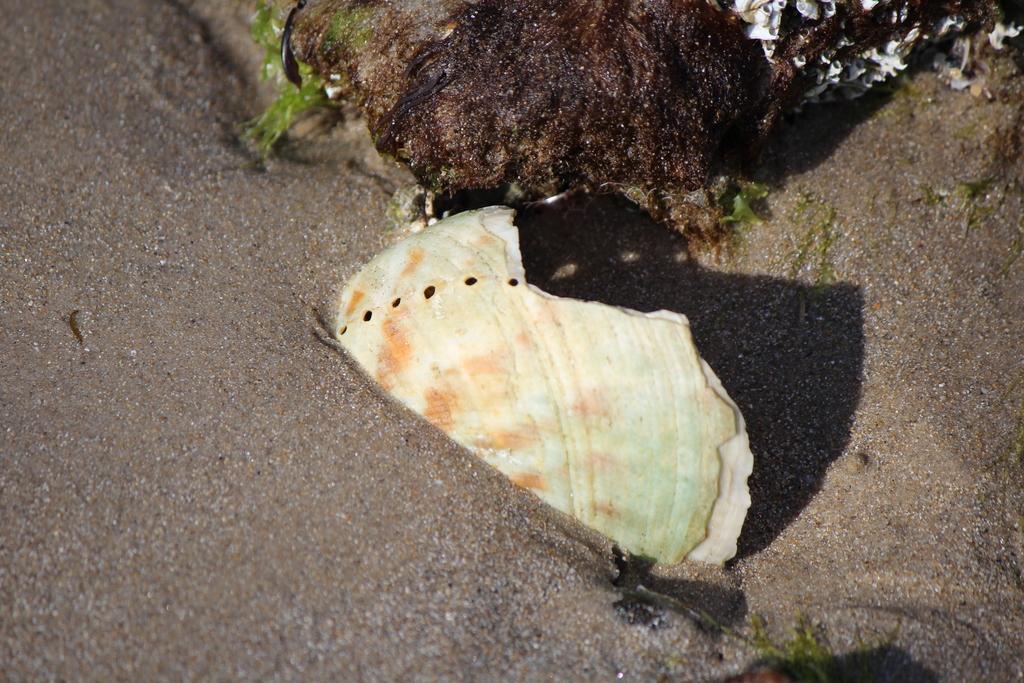
The shell is smoother than other species and more flattened with a row of perforations around the edge of the shell that allows them to move water over their gills to breath. The edge of the foot is green hence the term Green lipped.
Common Name Greenlip Abalone
Aliases No Known Aliases
Origin Endemic
Share
Distribution and map

Distribution provided by The Atlas of Living Australia

Classification

Classification

KingdomAnimalia
PhylumMollusca
SuperfamilyHaliotoidea
Synonyms

Synonyms

There are no known synonyms for this species
References and dates
Original No original text available
Bibliography View page references
Added Sun 17 May 2020 @ 00:00 AM
Updated Mon 24 Oct 2022 @ 23:00 PM
Files
Type Details Version Size Added Updated Links
There are no downloads or Files for this species at the moment

Disclaimer: A lot of work goes into trying to identify and ensure accurate identifications are made, and that the listed Descriptions, Sizes, Habitats and Distribution information is as accurate and valid as possible. Unfortunately, information in this arena is ever changing and as such no guarantee can be offered that it is correct or currently valid — the information is provided as a guide, and it is always suggested that you do a little research to ensure you have the latest and most accurate information. View the references or bibliography. Feedback and comments on the information provided are always welcome.