This bird is similar to Phalacrocorax varius, but is smaller in overall size and the bill is much shorter and lacks the orange- yellow face patch found on P. varius.
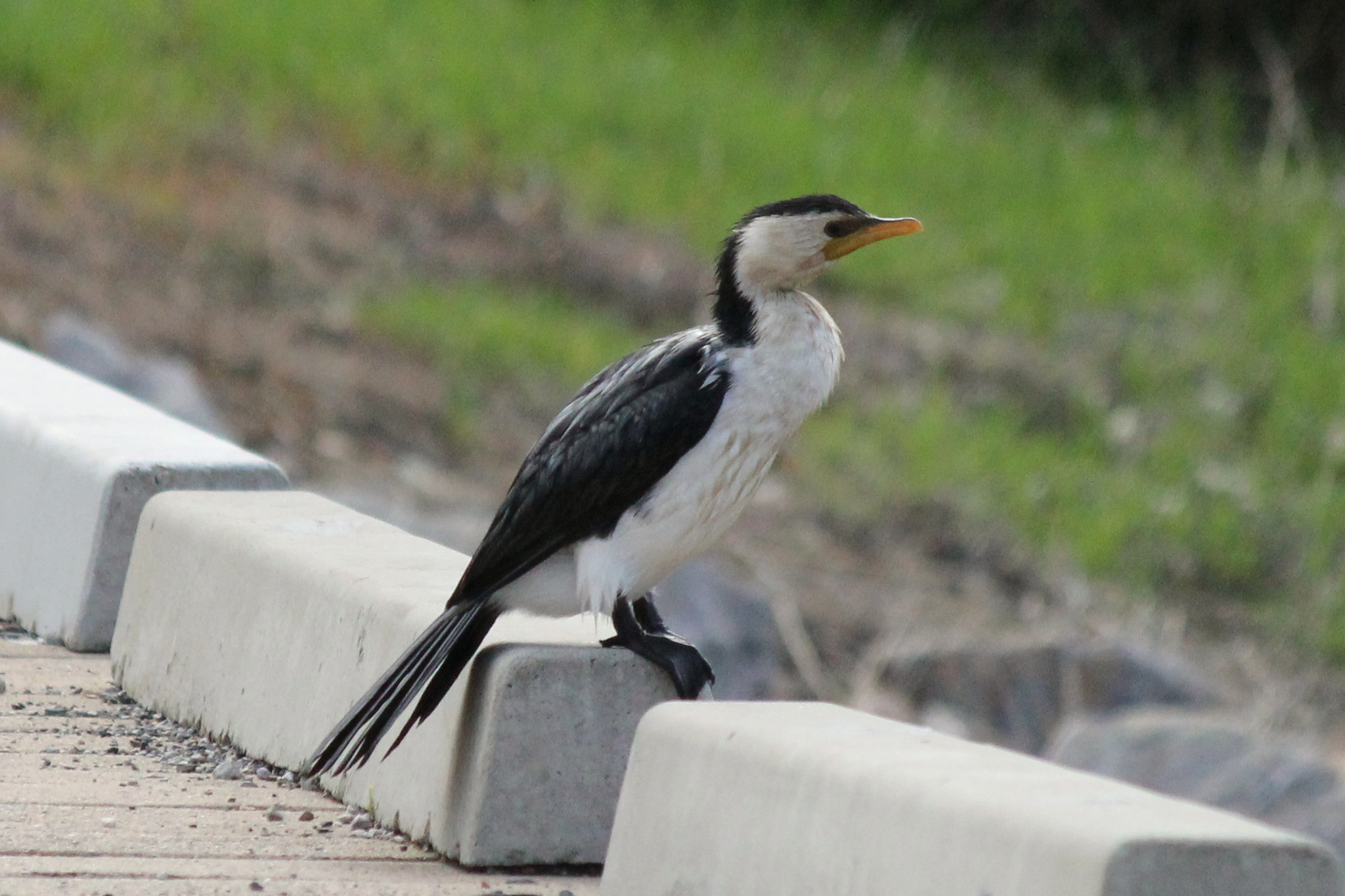
The upper body of this bird is black, whilst the underside of the body is white, the bill is yellow and the web feet are black. This bird is often found in large flocks particularly where food is abundant however is commonly found feeding alone.
At a glance
Little Pied Cormorant at a glance
Habitat
This species can be found in wetlands, including swamps, coastal bays and lakes in both fresh and salt water
Size
Body can grow up to around 55cm in length
Origin
Native
Distribution
Native to Australia this species is found in all states and territories but can also be found in New Zealand and Indonesia and other pacific islands
Descriptions
Distribution
Native to Australia this species is found in all states and territories but can also be found in New Zealand and Indonesia and other pacific islands
Habitat
This species can be found in wetlands, including swamps, coastal bays and lakes in both fresh and salt water
Size
Body can grow up to around 55cm in length
Distribution and map
Distribution provided by The Atlas of Living Australia
Classification
Classification
KingdomAnimalia
PhylumChordata
SubphylumVertebrata
SuperclassGnathostomata
ClassAves
OrderPelecaniformes
SuborderSulae
FamilyPhalacrocoracidae
GenusMicrocarbo
SpeciesMicrocarbo melanoleucos
Synonyms
Synonyms
There are no known synonyms for this species
References and dates
Original
No original text available
Bibliography
View page references
Added
Thu 15 Jul 2021 @ 00:00 AM
Updated
Sun 25 Sep 2022 @ 00:00 AM
Surveys
View Survey List
Photos

Files
External Links
2 External Links
View External
Links
Disclaimer: A lot of work goes into trying to identify and ensure accurate identifications are made, and that the listed Descriptions, Sizes, Habitats and Distribution information is as accurate and valid as possible. Unfortunately, information in this arena is ever changing and as such no guarantee can be offered that it is correct or currently valid — the information is provided as a guide, and it is always suggested that you do a little research to ensure you have the latest and most accurate information. View the references or bibliography. Feedback and comments on the information provided are always welcome.
From Our Tasmania · https://ourtasmania.au/species-guide/view-species/microcarbo-melanoleucos/