The most common wrasse in Victorian and Tasmanian waters. Adult males are strong fighters and provide for good sport. This species is also caught commercially with most live fish being sold to restaurants in Sydney

At a glance

Bluethroat Wrasse at a glance

Habitat Rocky reefs. Juveniles are found in shallow weed habitats in bays and estuaries. Adults are usually seen on deeper rocky reefs to depths of about 40 m but have been trawled from water down to 160 m
Size Can grow to around 50cm
Origin Endemic
Distribution Widespread in south-eastern Australia, from about Newcastle (New South Wales) to about Port Lincoln (South Australia) and around Tasmania
Descriptions
Distribution
Widespread in south-eastern Australia, from about Newcastle (New South Wales) to about Port Lincoln (South Australia) and around Tasmania
Habitat
Rocky reefs. Juveniles are found in shallow weed habitats in bays and estuaries. Adults are usually seen on deeper rocky reefs to depths of about 40 m but have been trawled from water down to 160 m
Size
Can grow to around 50cm

Identification

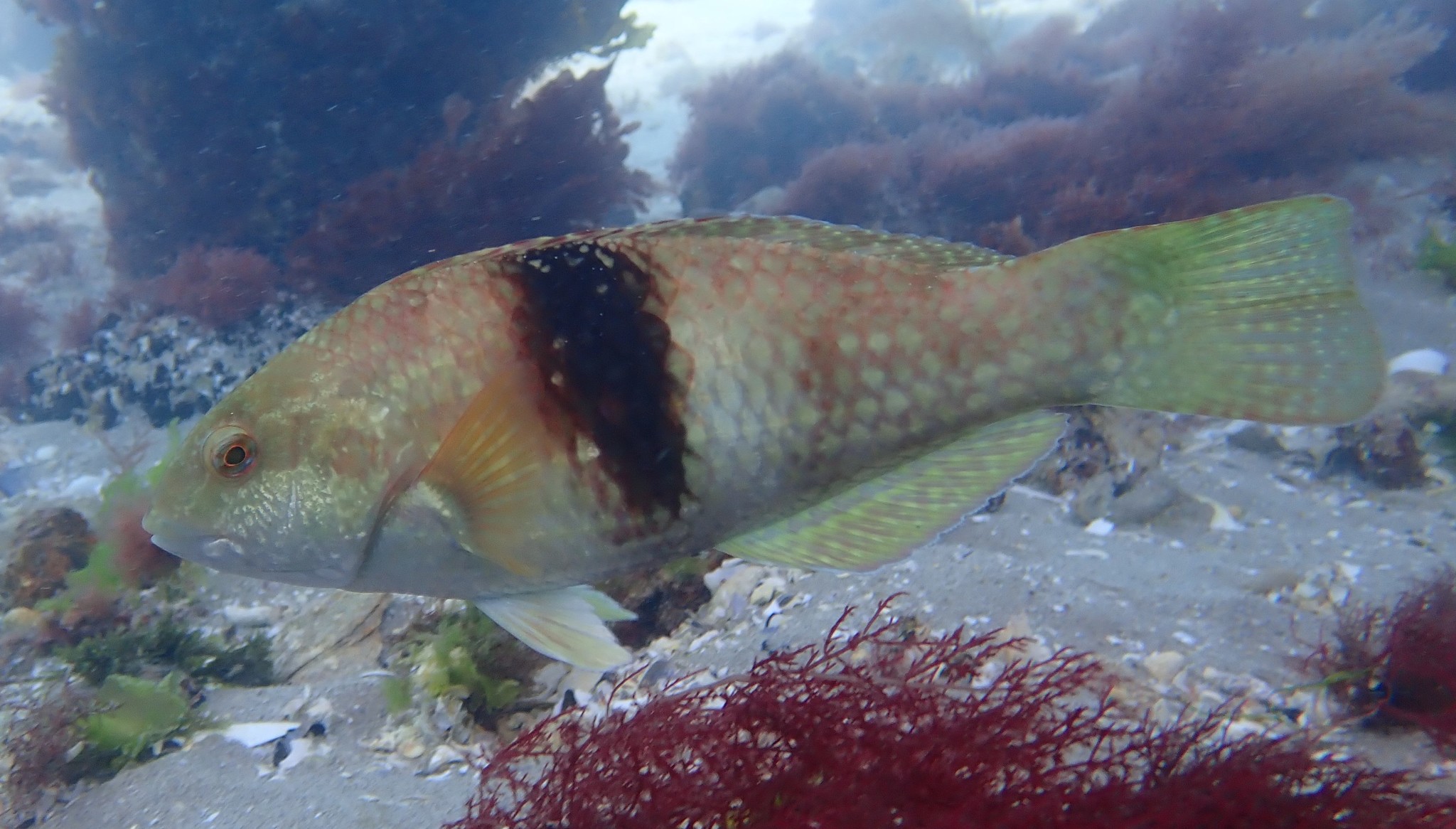
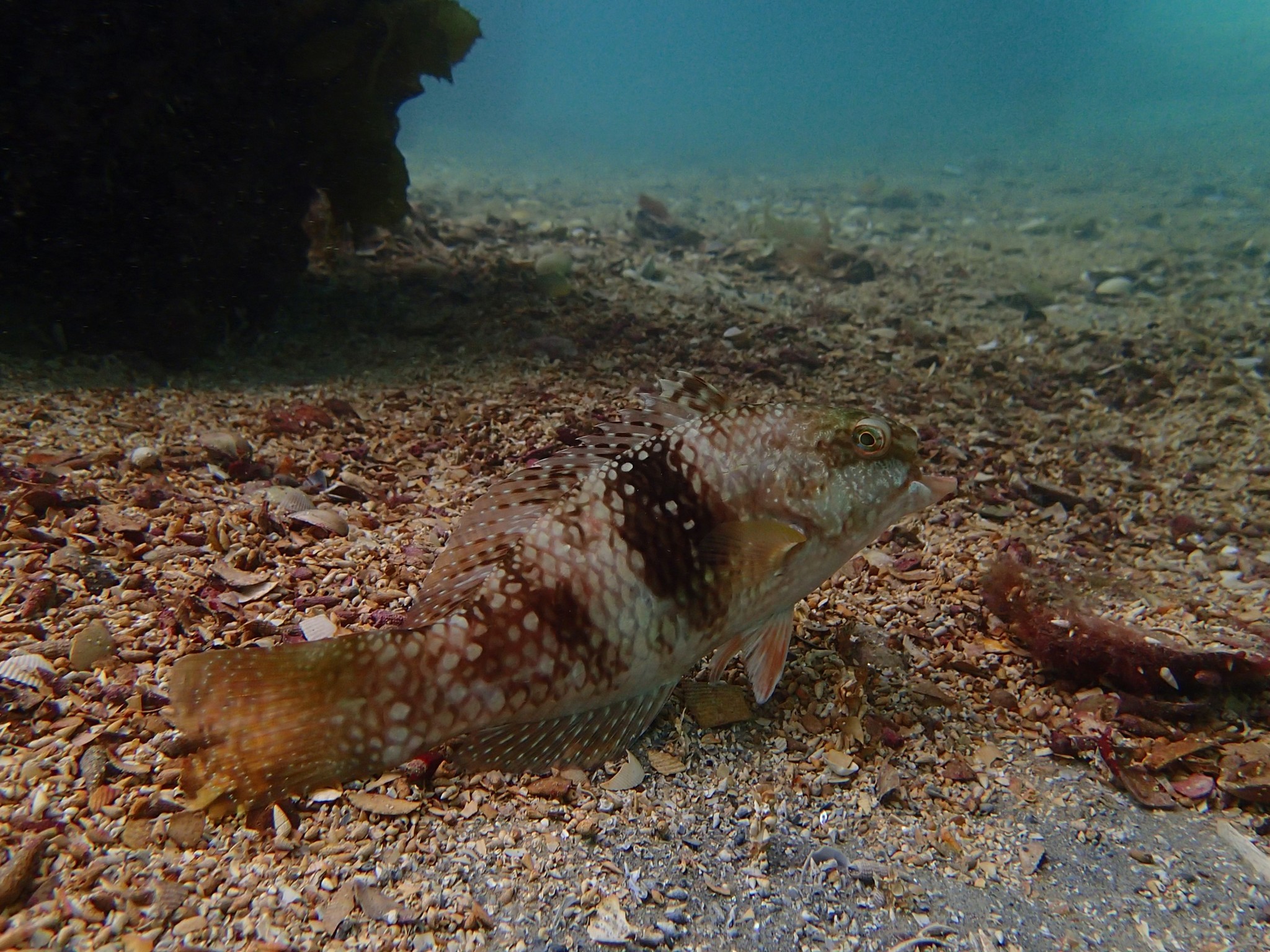
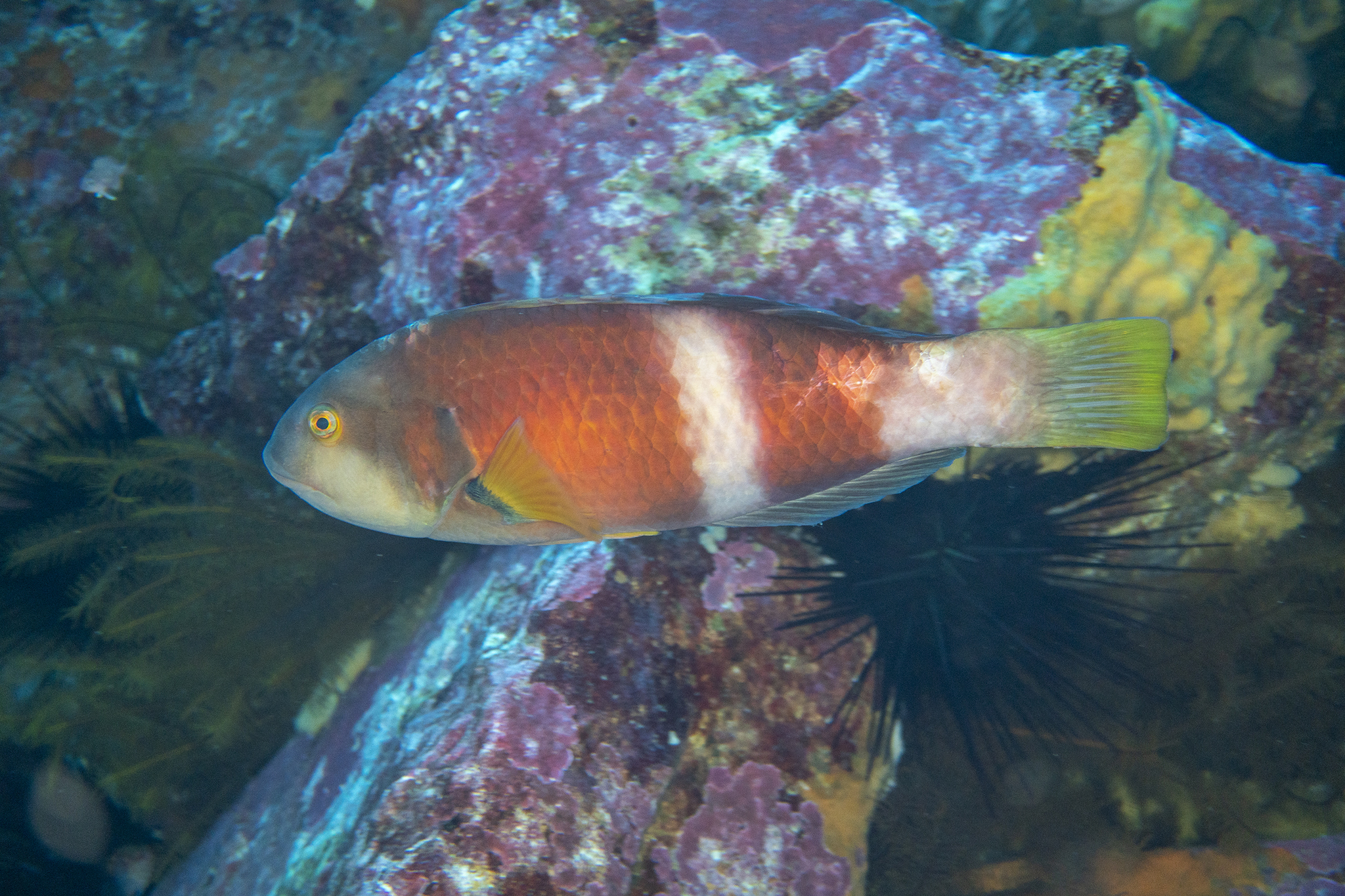
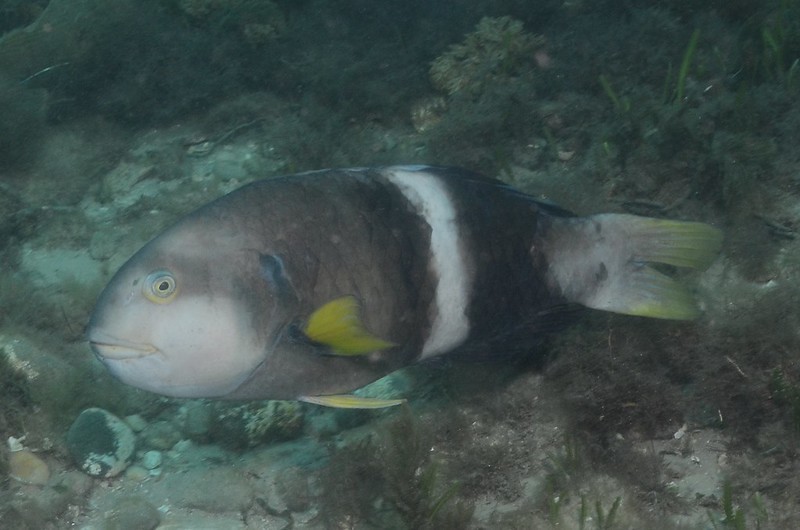
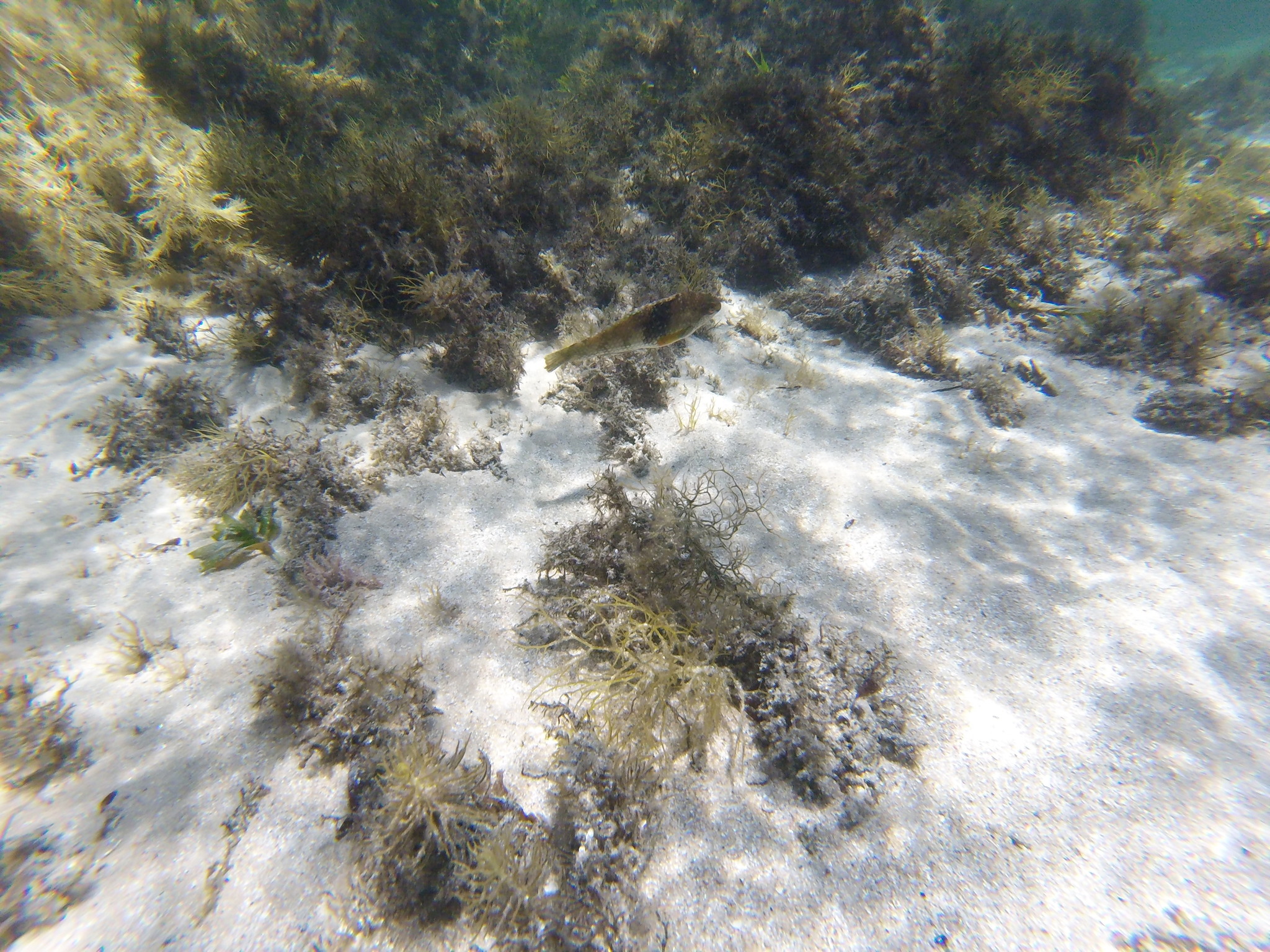
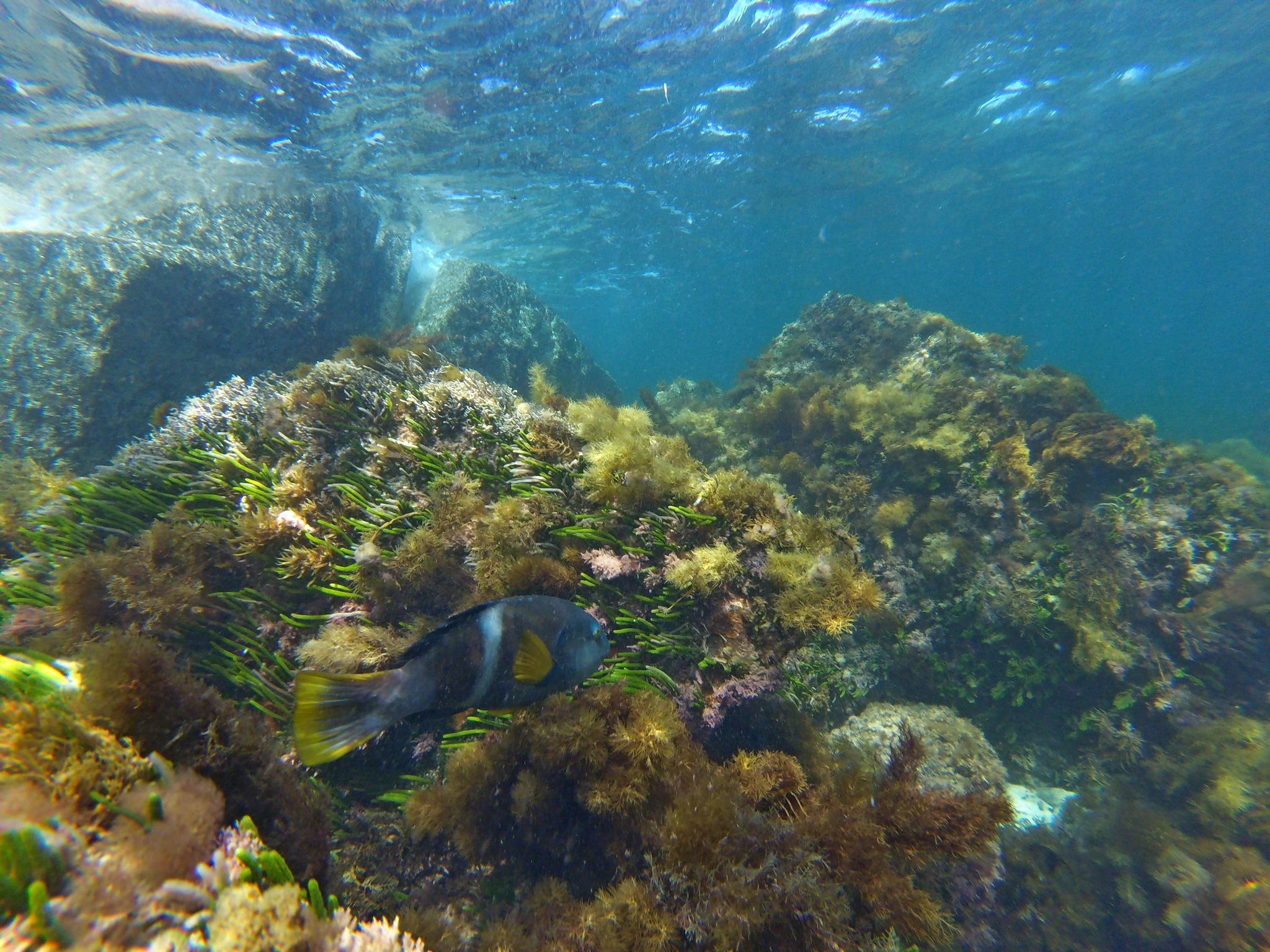
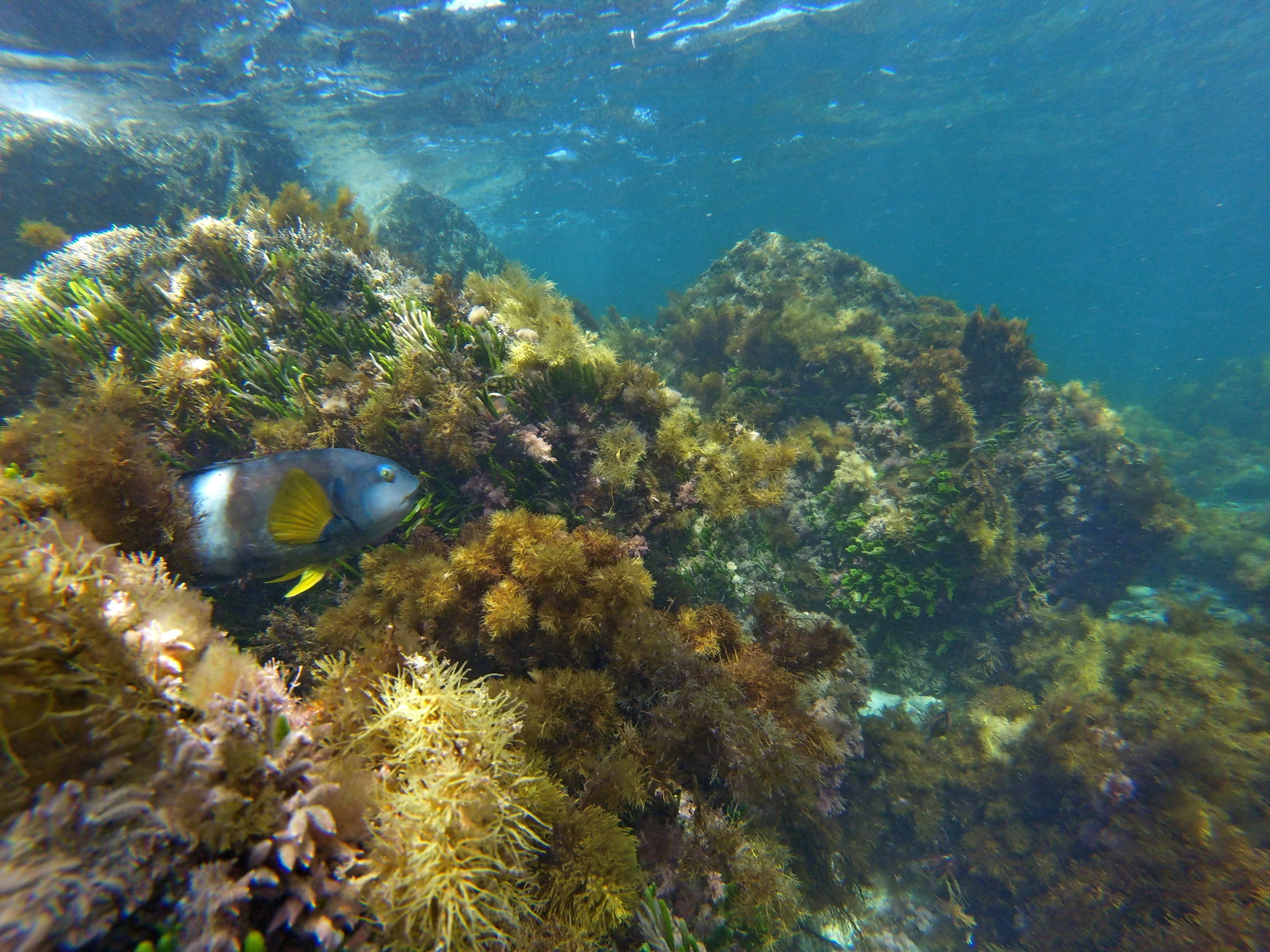
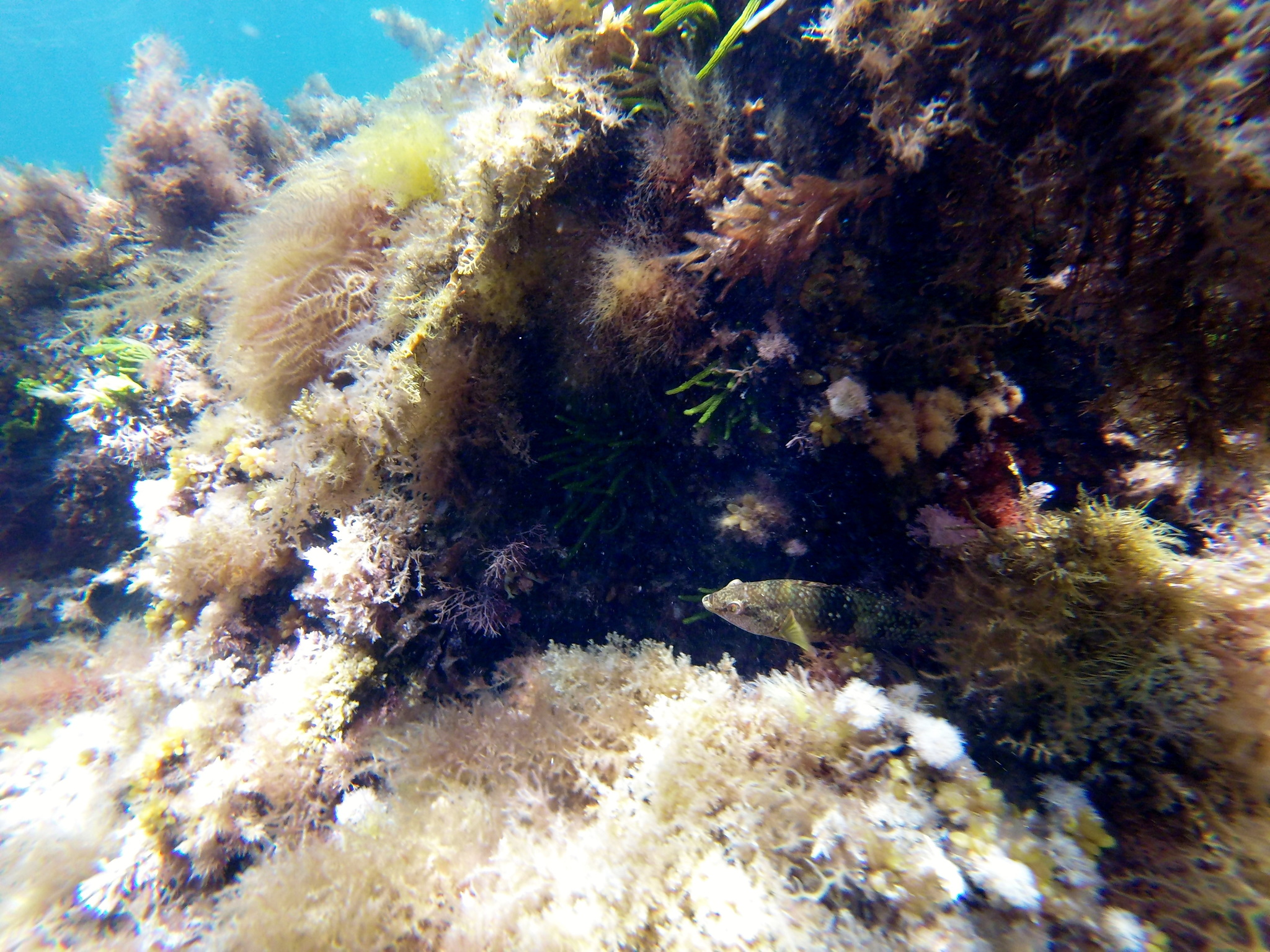
Juveniles and females are a greenish-brown with a broad blackish bar around the middle of the body. As they grow, females become lighter behind the dark bar. Males have a bluish head, a blue throat, a distinct white band around the rear of the body, yellow pectoral and pelvic fins and a white caudal peduncle
Common Name Bluethroat Wrasse
Aliases Bluehead, Kelpie,
Origin Endemic
Conservation Least Concern
Share
Distribution and map

Distribution provided by The Atlas of Living Australia

Classification

Classification

KingdomAnimalia
PhylumChordata
SubphylumVertebrata
SuperclassGnathostomata
SubclassEuteleostei
SuperorderAcanthopterygii
SuborderLabroidei
FamilyLabridae
SubfamilyLabrinae
Synonyms

Synonyms

There are no known synonyms for this species
References and dates
Original No original text available
Bibliography View page references
Added Fri 29 May 2020 @ 00:00 AM
Updated Tue 16 Nov 2021 @ 23:00 PM
Files
Type Details Version Size Added Updated Links
There are no downloads or Files for this species at the moment

Disclaimer: A lot of work goes into trying to identify and ensure accurate identifications are made, and that the listed Descriptions, Sizes, Habitats and Distribution information is as accurate and valid as possible. Unfortunately, information in this arena is ever changing and as such no guarantee can be offered that it is correct or currently valid — the information is provided as a guide, and it is always suggested that you do a little research to ensure you have the latest and most accurate information. View the references or bibliography. Feedback and comments on the information provided are always welcome.