Descriptions
Original Description
As Written by (Lamouroux, 1821)
Sur la tige du Ruppia antartica de Labillardiere
C. AILEE. C. alata C. cellules reunies en anneaux nombreux presque imbriques, et formant une sorre d'ecorce sur les triges du Ruppia antartica, gibbeuses inferiuerement, avec deux appendices pteroides sur eur parrie moyenne et laterale; ouverture ronde avec un tubercule tres-gros et mamilliforme de chaque core.
C. cellulis verticillatis, ventricosis, laterlaliter alatis ; ore rotundo tuberculoso.
Australasie, terre de Lewin.
Recu de M. de Labillardiere
Translated Description
Latin to English
On the stem of Labillardière's *Ruppia antarctica*
C. WINGED. *C. alata*. Cells united in numerous, nearly imbricated rings, forming a sort of bark on the stems of *Ruppia antarctica*; gibbous at the base, with two wing-like appendages on their mid-lateral section; round opening with a very large, nipple-shaped tubercle on each side.
*C.* with whorled, swollen, laterally winged cells; round, tuberculate opening.
Australasia, Lewin's Land.
Received from M. de Labillardière.
Explanation
What Does It Mean?
This original description is accompanied by and illustration on page 263 https://www.biodiversitylibrary.org/page/50900013#page/263/mode/1up of Figure 10 on that page.
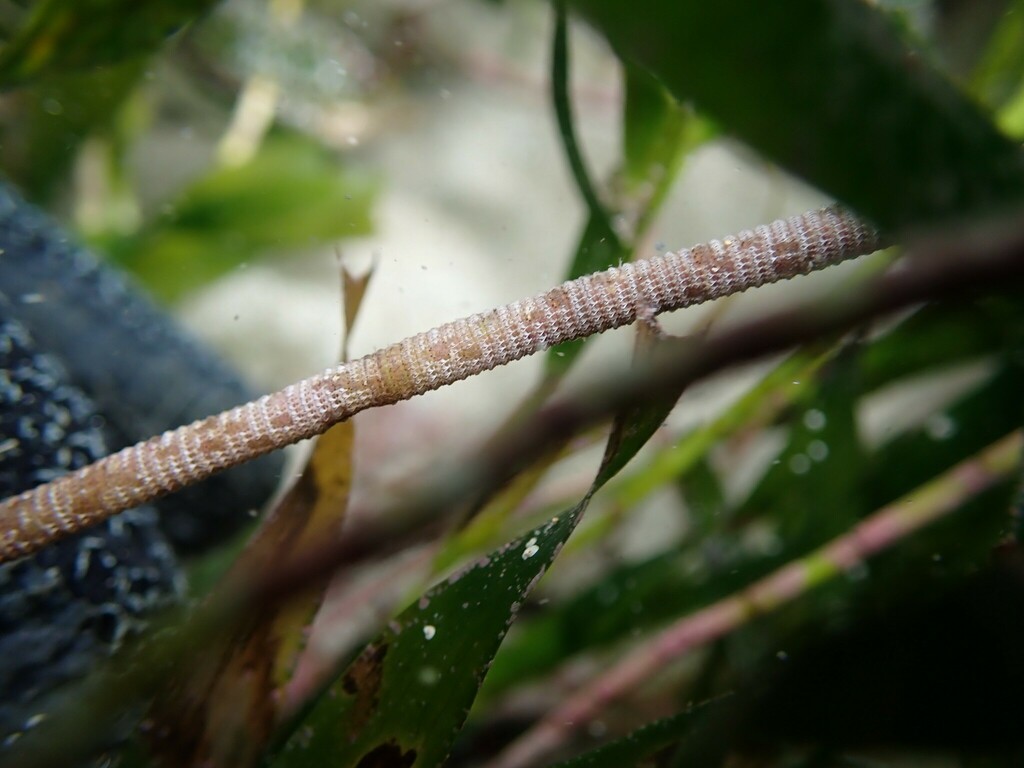
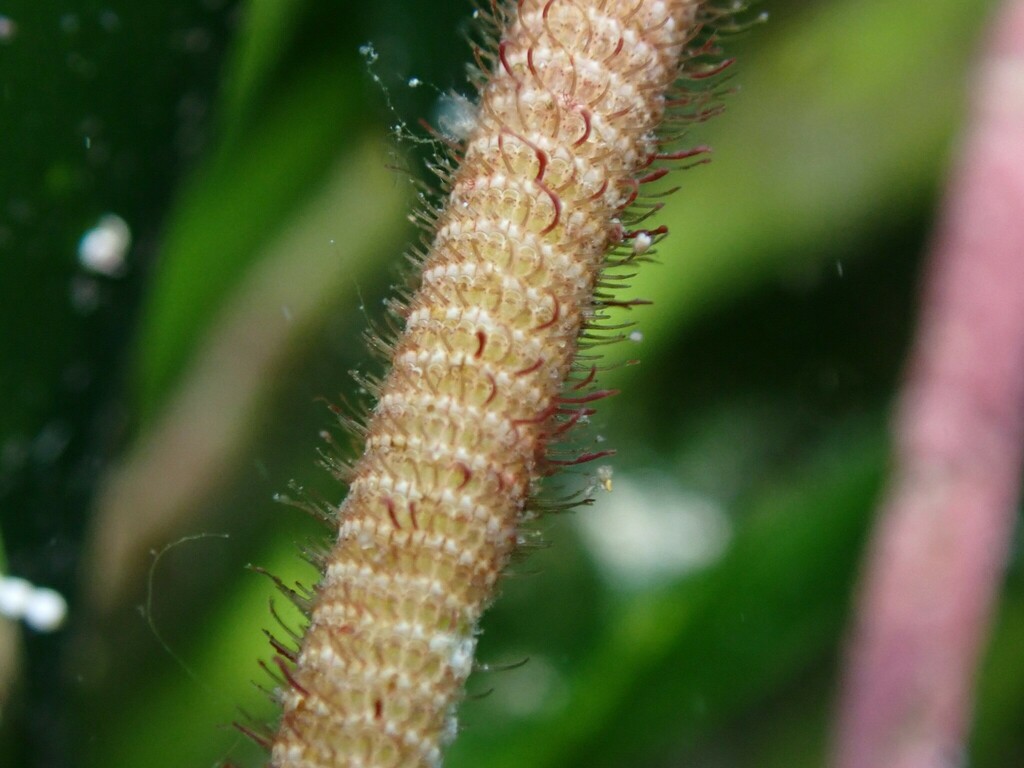
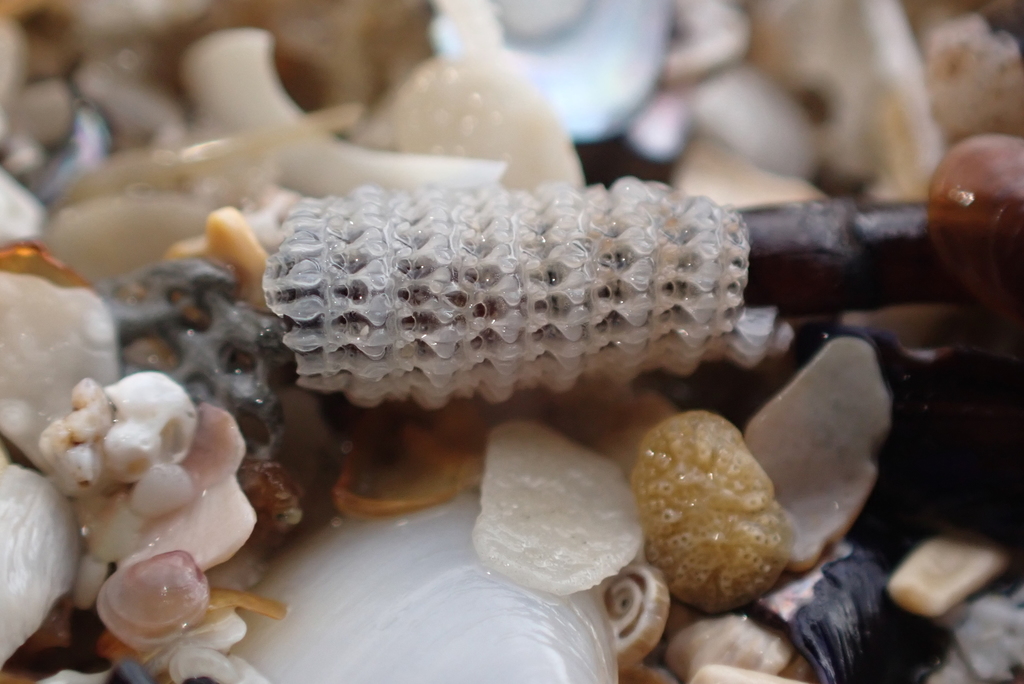
This description details the cells growing around the stems of what is now known as Amphibolis antarctica the form of this growing around the stem like a kind of bark.
This description details the cells growing around the stems of what is now known as Amphibolis antarctica the form of this growing around the stem like a kind of bark.
Identification
A thin encrusting whitish growth around the stems of Amphibolis antarctica
Source Details
Disclaimer: A lot of work goes into trying to identify and ensure accurate identifications are made and that the listed Descriptions, Sizes, Habitats and Distribution information is as accurate and valid as possible. Unfortunately, information in this arena is ever changing and as such no guarantee can be offered that it is correct or currently valid — as a result the information is provided as a guide, and it is always suggested that you do a little research to ensure you have the latest and most accurate information.
Instagram
Follow @bushrenegade


