Descriptions
Original Description
As Written by (Dana, 1851)
Carapace faiblement bombée et inégale ; les lobes epigastrigues trés saillants, surtout chez le mâle ; les lobes métabranchiaux trés marqués. Front divisé en deux lobes par une large échancrure médiane. Crête la face externe des mains de la femelle moins forte que chez ie P. quadridentatius. Carapace violacée en avant et marquée de grandes taeches jaunes en arrière. - Habite les côtes de la Nouvelle-Hollande.
Translated Description
Latin to English
Carapace weakly domed and uneven; very prominent epigastric lobes, especially in the male; the very marked metabranchial lobes. Forehead divided into two lobes by a wide median indentation. Crest on outer face of female hands less strong than in P. quadridentatius. Carapace purplish in front and marked with large yellow spots behind. - Inhabits the coasts of New Holland.
Explanation
What Does It Mean?
Identification
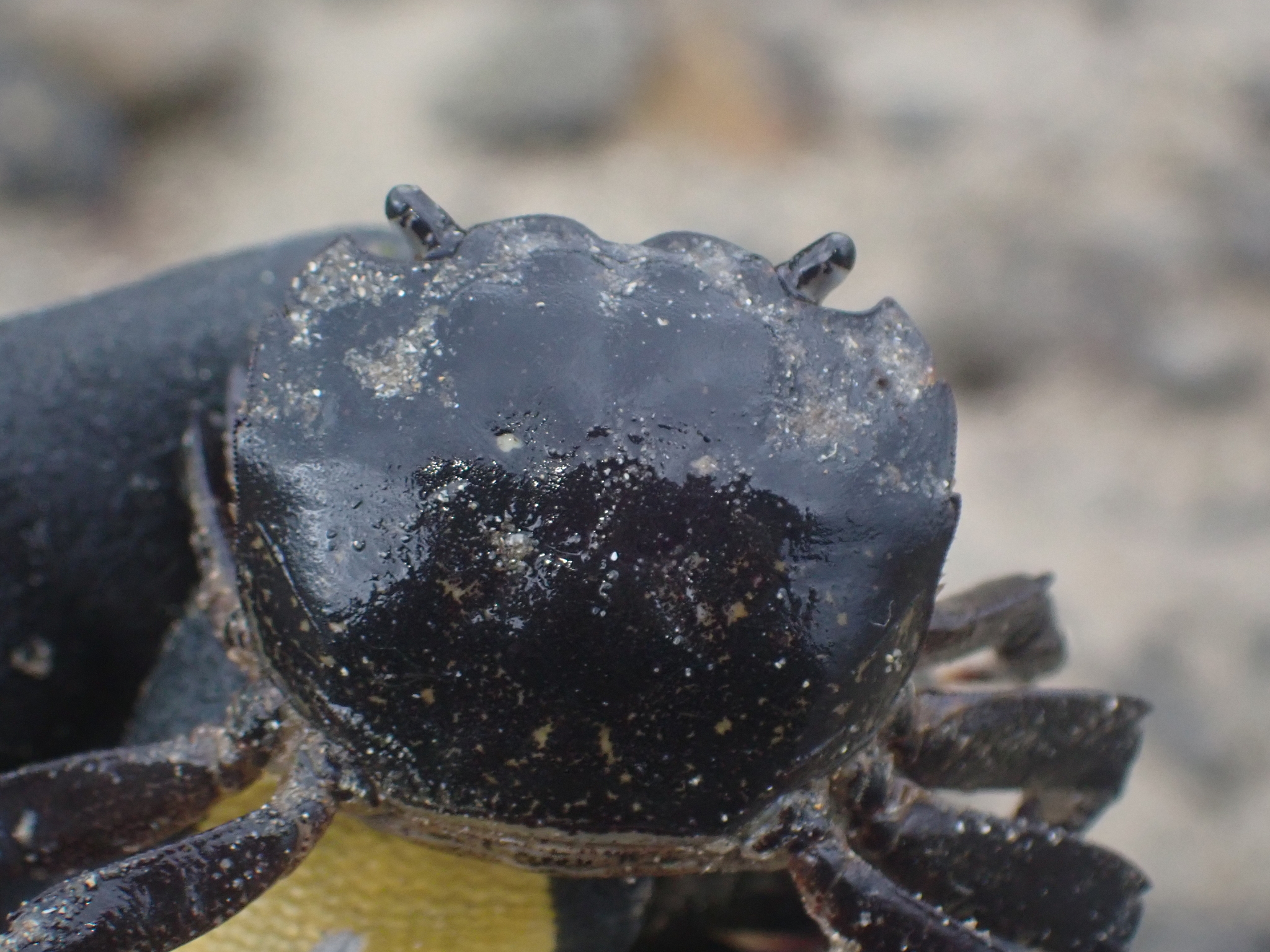
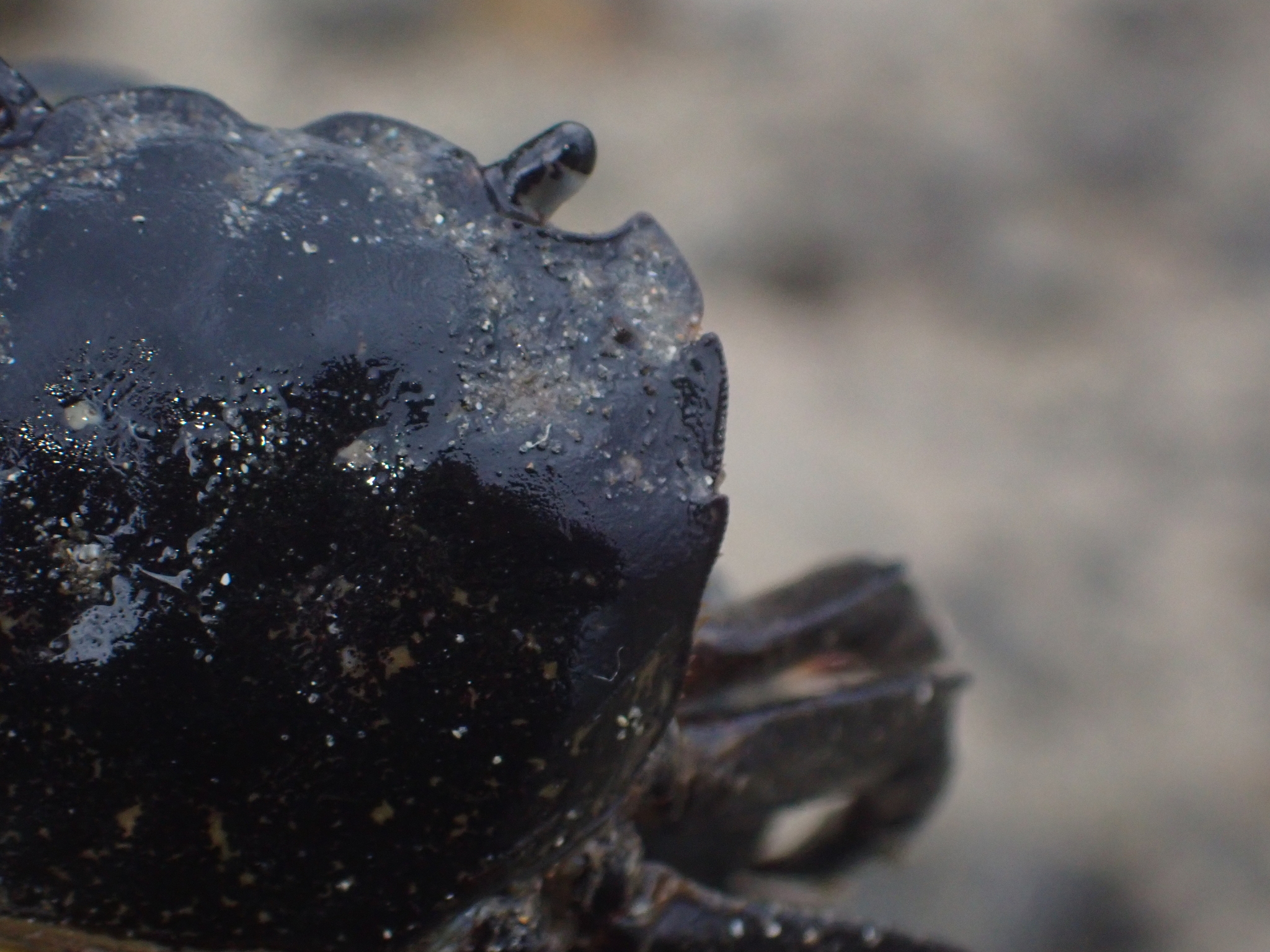
This crab can be identified by the presence of the two notches behind the eyes on the sides of the carapace the colouration ranges from dark reds and purples with yellowish brown mottled patches, The first walking leg is also has a fine covering of hairs that look like felt
Source Details
Disclaimer: A lot of work goes into trying to identify and ensure accurate identifications are made and that the listed Descriptions, Sizes, Habitats and Distribution information is as accurate and valid as possible. Unfortunately, information in this arena is ever changing and as such no guarantee can be offered that it is correct or currently valid — as a result the information is provided as a guide, and it is always suggested that you do a little research to ensure you have the latest and most accurate information.
Instagram
Follow @bushrenegade


