Warning:The spines on this species are venomous
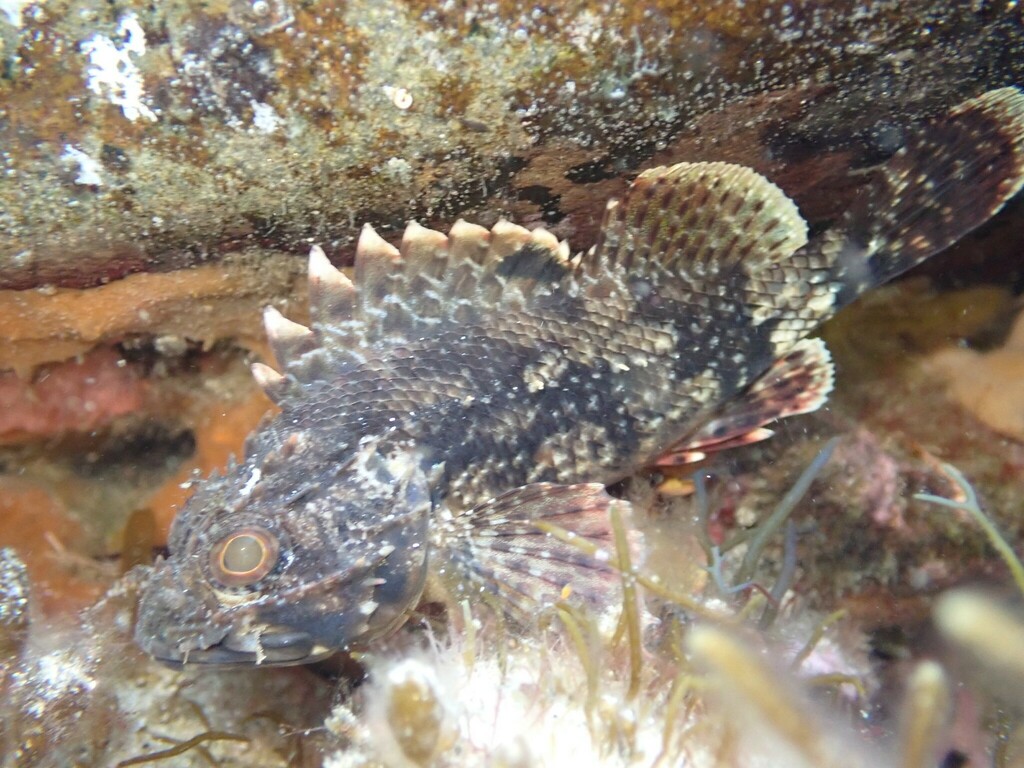
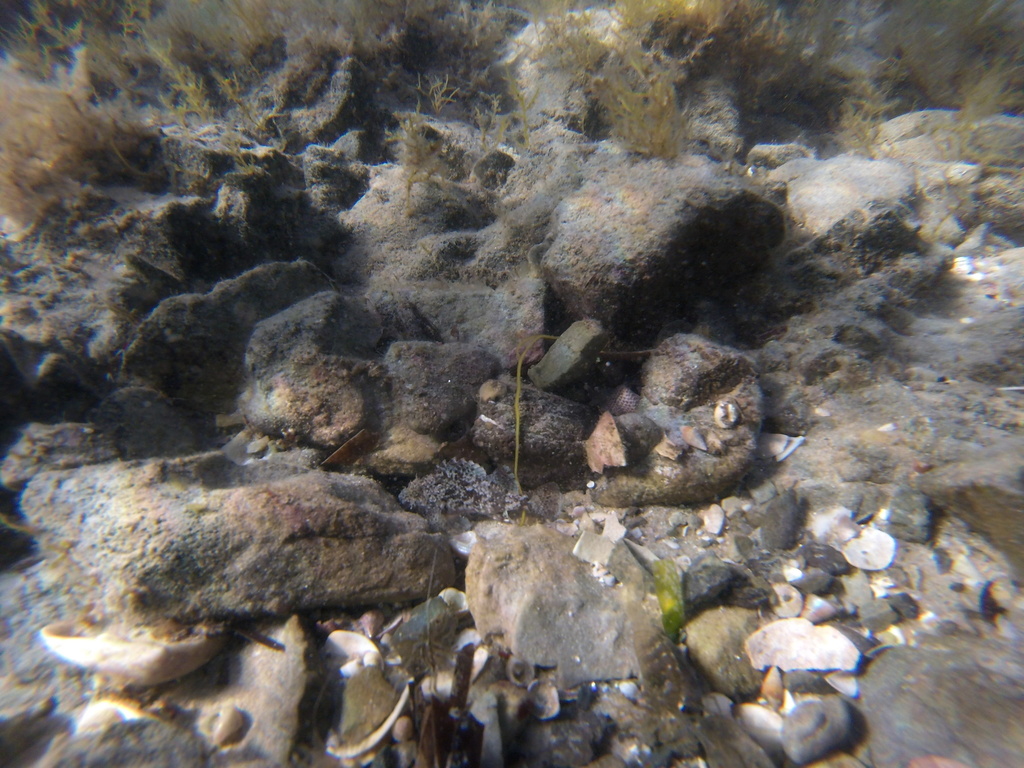
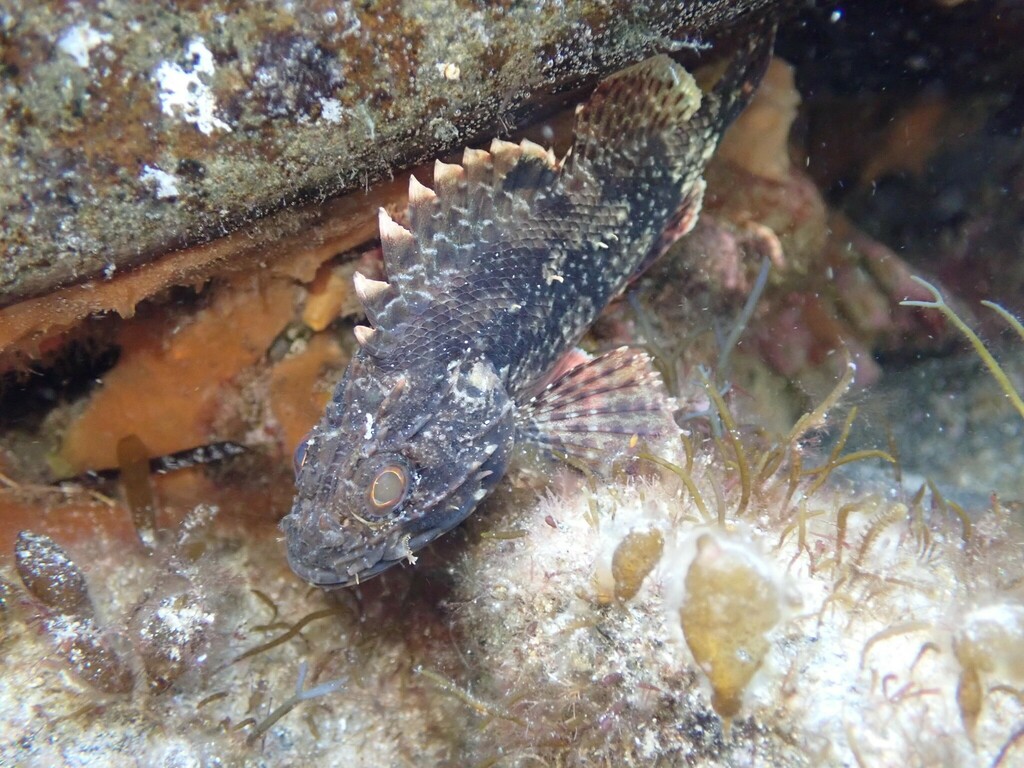
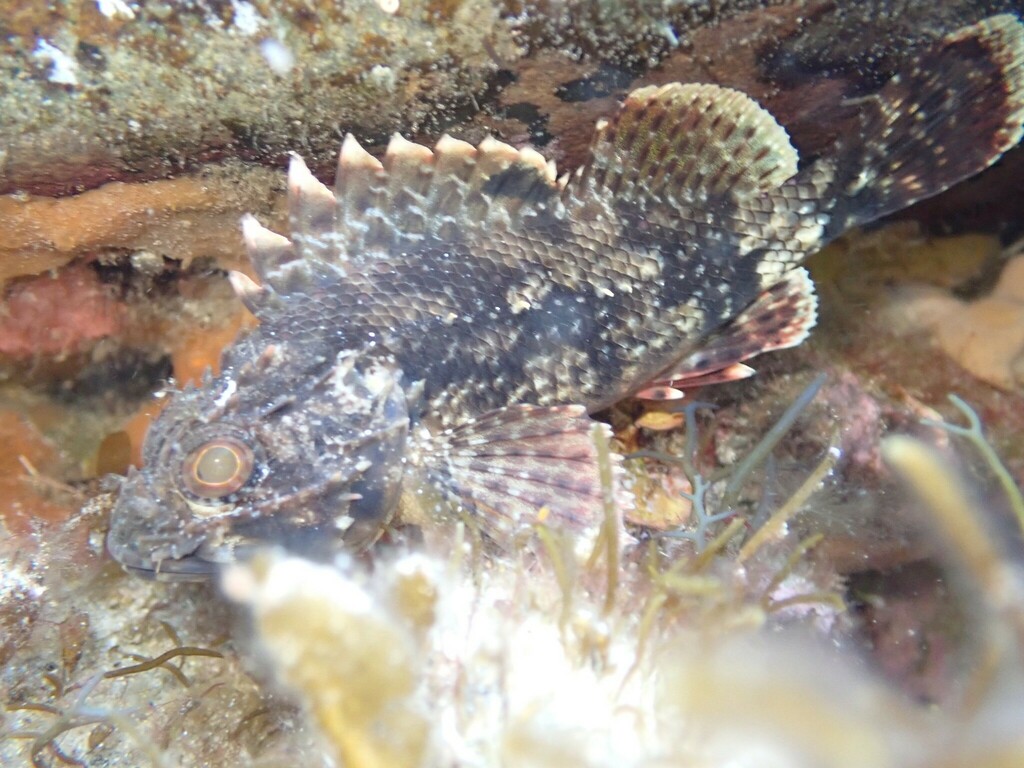
A species that can be found in the waters around Tomahawk often hiding under rock ledges or under rocks
At a glance
Southern Red Scorpionfish at a glance
Habitat
Can be found on rocky bottoms, in shallow estuaries, in muddy waters as well as other environments, such as in offshore kelp beds and shallow seagrass beds. Juveniles of this species are sometimes found in large rock pools.
Size
Grows to a maximum length of around 30cm
Origin
Native
Distribution
Southeastern Australia including around Tasmania
Descriptions
Distribution
Southeastern Australia including around Tasmania
Habitat
Can be found on rocky bottoms, in shallow estuaries, in muddy waters as well as other environments, such as in offshore kelp beds and shallow seagrass beds. Juveniles of this species are sometimes found in large rock pools.
Size
Grows to a maximum length of around 30cm
Identification
A mottled reddish-brown to brown or blackish scorpionfish, often with a broad white band behind the eye, and a dark margin on the rear of the body scales.
This Southern Red Scorpionfish is the only species in the genus Scorpaena with a pair of coronal spines on the interorbital space.
Distribution and map
Distribution provided by The Atlas of Living Australia
Classification
Classification
KingdomAnimalia
PhylumChordata
SubphylumVertebrata
SuperclassGnathostomata
ClassActinopterygii
SubclassEuteleostei
SuperorderAcanthopterygii
OrderScorpaeniformes
FamilyScorpaenidae
SubfamilyScorpaeninae
GenusScorpaena
SpeciesScorpaena papillosa
Synonyms
Synonyms
There are no known synonyms for this species
References and dates
Original
No original text available
Bibliography
View page references
Added
Thu 11 Mar 2021 @ 23:00 PM
Updated
Wed 15 Feb 2023 @ 23:00 PM
Surveys
View Survey List
Photos
Files
External Links
3 External Links
View External
Links
Disclaimer: A lot of work goes into trying to identify and ensure accurate identifications are made, and that the listed Descriptions, Sizes, Habitats and Distribution information is as accurate and valid as possible. Unfortunately, information in this arena is ever changing and as such no guarantee can be offered that it is correct or currently valid — the information is provided as a guide, and it is always suggested that you do a little research to ensure you have the latest and most accurate information. View the references or bibliography. Feedback and comments on the information provided are always welcome.
From Our Tasmania · https://ourtasmania.au/species-guide/view-species/scorpaena-papillosa/