As a canopy-forming seaweed, Seirococcus axillaris forms part of Tasmania's diverse underwater reef habitats, providing shelter and habitat for a variety of marine animals. It is often found growing alongside other large brown seaweeds and kelps. It is the only recognised species within the genus Seirococcus.
At a glance
Bristled Crayweed at a glance
Habitat
Grows on rocky reefs in temperate waters, particularly along coastlines exposed to moderate or strong wave action. It is generally found below the low-tide mark, extending to depths of around 40 metres.
Size
Can grow to around 2m
Origin
Native
Distribution
Native to southern Australia, including around Tasmania
Descriptions
Distribution
Native to southern Australia, including around Tasmania
Habitat
Grows on rocky reefs in temperate waters, particularly along coastlines exposed to moderate or strong wave action. It is generally found below the low-tide mark, extending to depths of around 40 metres.
Size
Can grow to around 2m
Identification
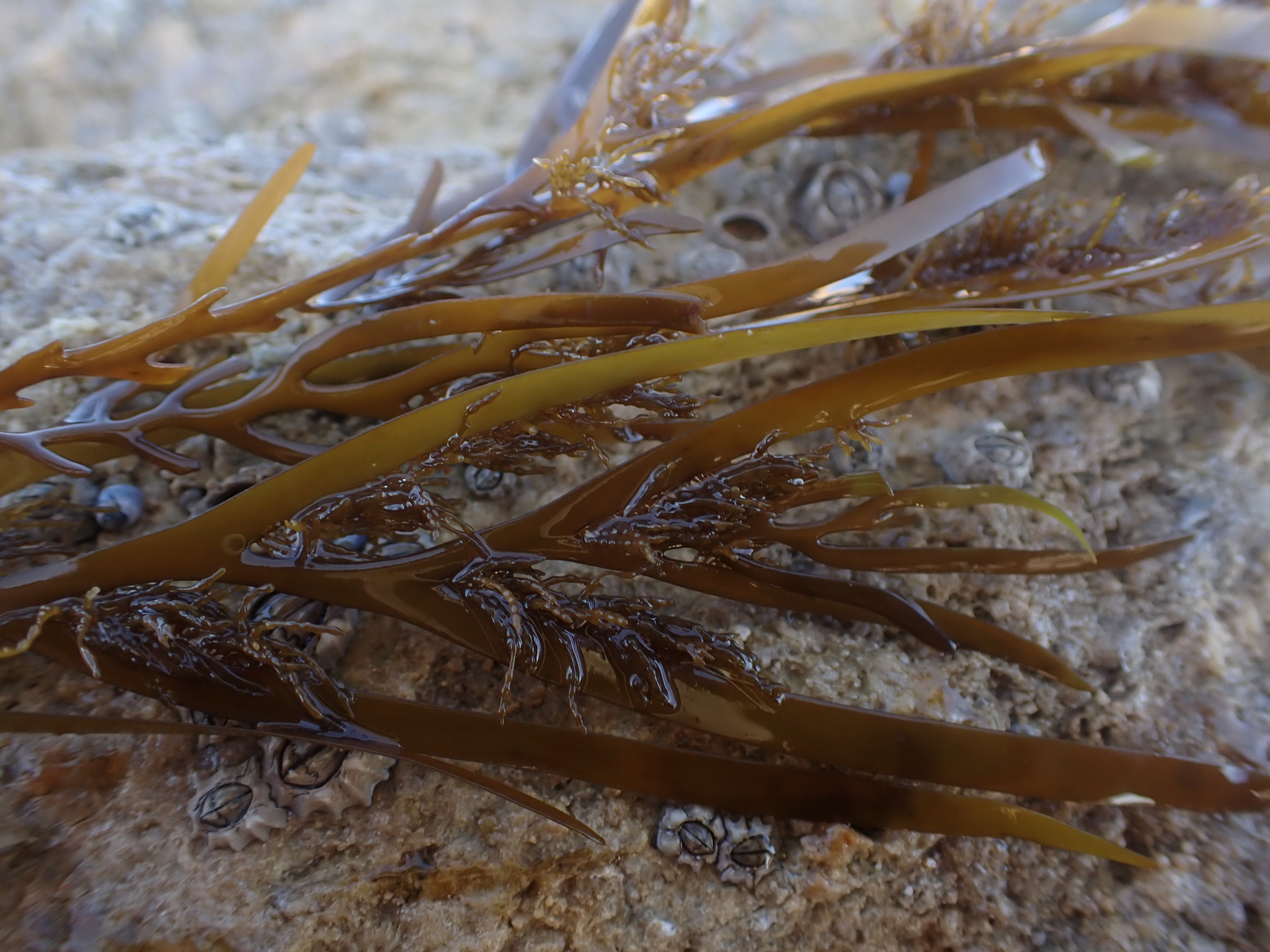
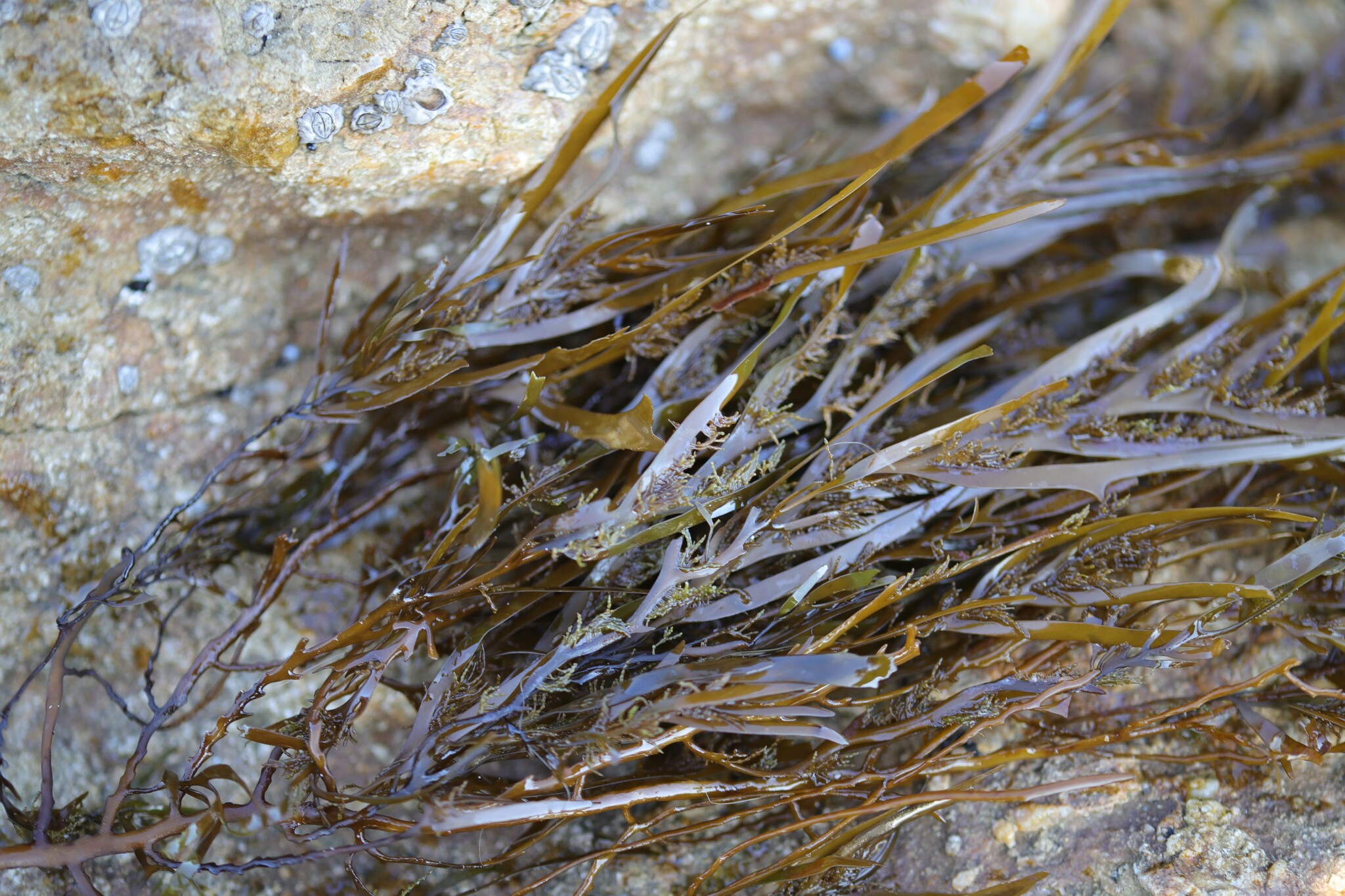
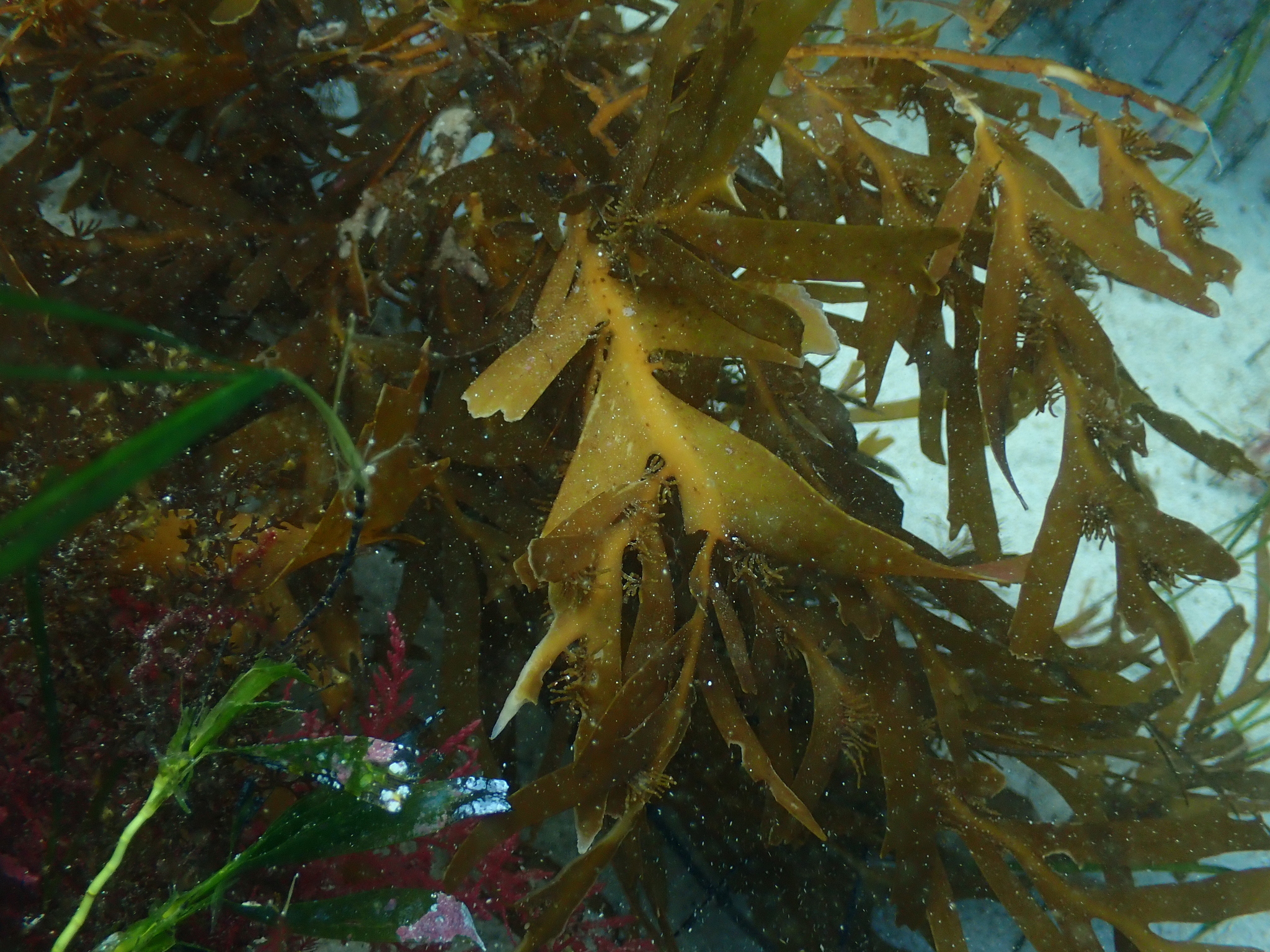
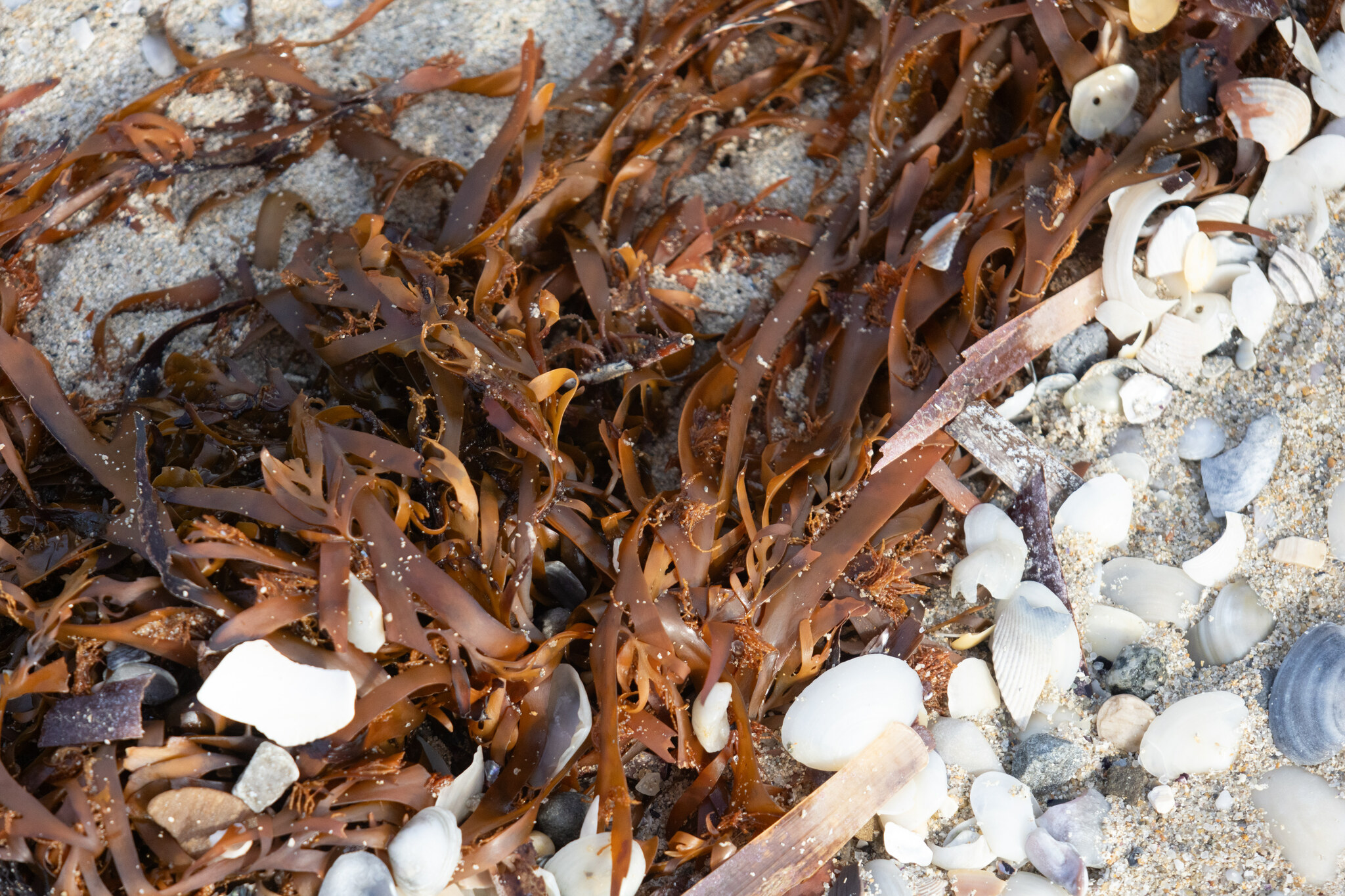
Seirococcus axillaris, commonly known as Bristled Crayweed, is a large brown seaweed that can grow up to 2 metres long. It is typically medium to dark olive-brown in colour, with a tough, leathery texture.
The plant has a short, rounded stalk that develops into long, flattened, ribbon-like branches. These branches grow alternately along the main stem, spreading out in a single plane, and may be straight or slightly curved. A pale, flattened central rib runs along the length of the larger branches.
The plant attaches to rocks through a large holdfast with several branching, root-like structures. Unlike some other brown seaweeds, it does not produce air-filled floats.
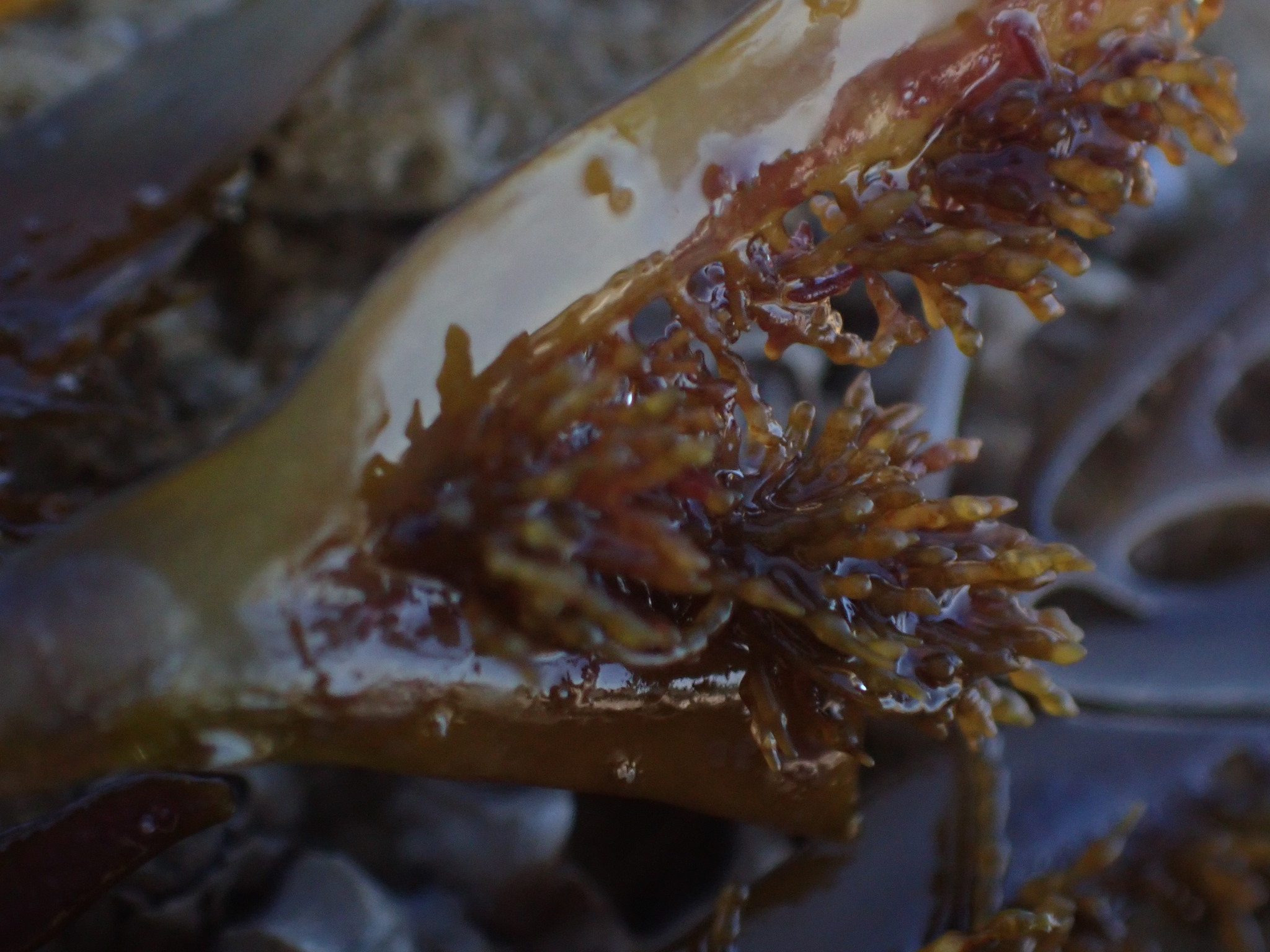
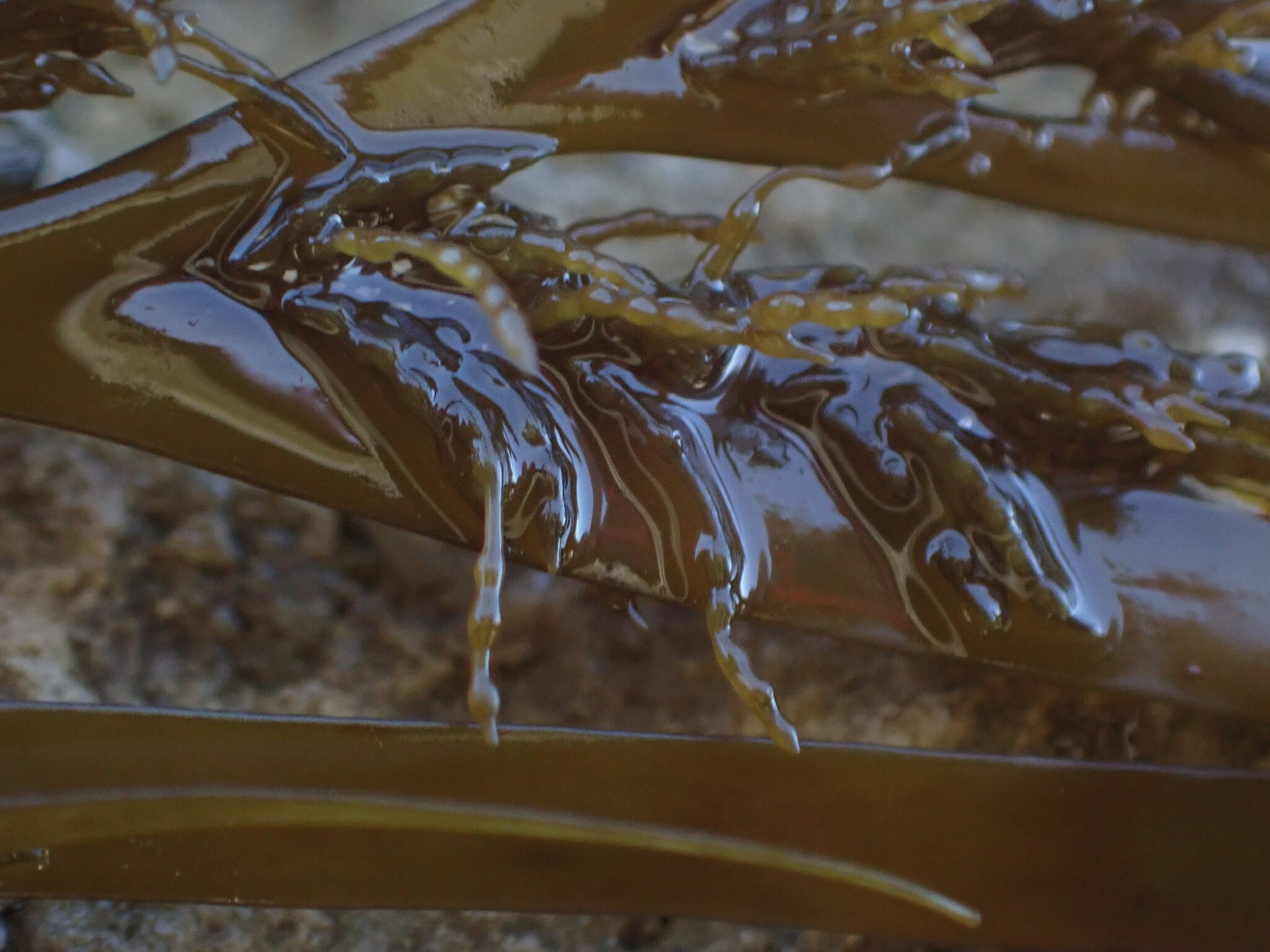
One of its most useful identifying features is the presence of numerous tiny, bead-like reproductive structures, known as receptacles, which develop along the edges of the flattened branches. These may form short, bristly fringes but are only visible when the plant is reproductive.
Seirococcus axillaris can be confused with Scytothalia dorycarpa, which has a similar overall appearance but generally has more open branching and larger, beak-like reproductive structures. Without these reproductive features, the two species can be difficult to distinguish reliably.
Distribution and map
Map data unavailable. The Atlas of Living Australia (ALA) is not responding, so the distribution map cannot load right now. This is an issue with ALA's data service, not with Our Tasmania.
Distribution provided by The Atlas of Living Australia
Classification
Classification
KingdomChromista
PhylumOchrophyta
ClassPhaeophyceae
SubclassFucophycidae
OrderFucales
FamilySeirococcaceae
GenusSeirococcus
SpeciesSeirococcus axillaris
Synonyms
Synonyms
There are no known synonyms for this species
References and dates
Original
No original text available
Bibliography
View page references
Added
Tue 3 Nov 2026 @ 08:34 AM
Updated
Tue 3 Nov 2026 @ 09:36 AM
Surveys
View Survey List
Photos
Files
| Type | Details | Version | Size | Added | Updated | Links |
|---|---|---|---|---|---|---|
| There are no downloads or Files for this species at the moment | ||||||
External Links
0 External Links
View External
Links
Disclaimer: A lot of work goes into trying to identify and ensure accurate identifications are made, and that the listed Descriptions, Sizes, Habitats and Distribution information is as accurate and valid as possible. Unfortunately, information in this arena is ever changing and as such no guarantee can be offered that it is correct or currently valid — the information is provided as a guide, and it is always suggested that you do a little research to ensure you have the latest and most accurate information. View the references or bibliography. Feedback and comments on the information provided are always welcome.
From Our Tasmania · https://ourtasmania.au/species-guide/view-species/seirococcus-axillaris/