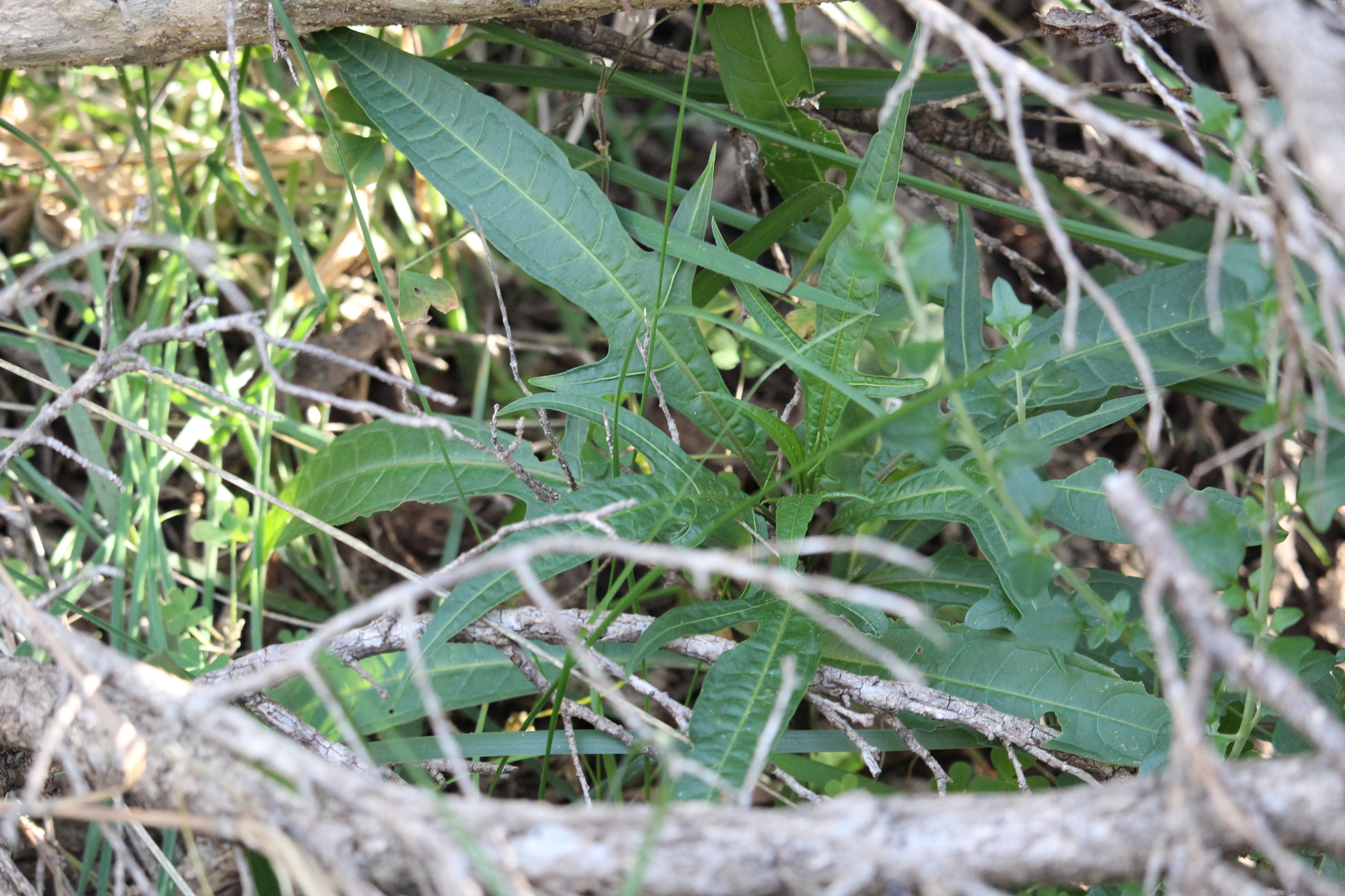
The stems often purplish, glabrous except for minute glandular hairs on young growing tips and buds. The leaves commonly are shapped like a kangaroo paw although some leaves tend to be more lanceolate
Occasionally cultivated as a source of solasodine for cortisone and other steroid drugs
Ripe fruit are eaten by Aborigines in Tasmania and by Maori in New Zealand - Be aware that unripe fruit are poisonous
At a glance
Kangaroo Apple at a glance
Habitat
Grows on stabilized sand dunes, creeks and road verges
Size
Shrub to 3 m
Origin
Endemic
Distribution
Temperate regions of New South Wales, the Australian Capital Territory, Victoria, South Australia, Tasmania, New Zealand and associated islands
Descriptions
Distribution
Temperate regions of New South Wales, the Australian Capital Territory, Victoria, South Australia, Tasmania, New Zealand and associated islands
Habitat
Grows on stabilized sand dunes, creeks and road verges
Size
Shrub to 3 m
Distribution and map
Distribution provided by The Atlas of Living Australia
Classification
Classification
KingdomPlantae
PhylumCharophyta
ClassEquisetopsida
SubclassMagnoliidae
SuperorderAsteranae
OrderSolanales
FamilySolanaceae
GenusSolanum
SpeciesSolanum laciniatum
Synonyms
Synonyms
There are no known synonyms for this species
References and dates
Original
No original text available
Bibliography
View page references
Added
Sat 29 Aug 2020 @ 00:00 AM
Updated
Wed 17 Nov 2021 @ 23:00 PM
Surveys
View Survey List
Photos
Files
External Links
4 External Links
View External
Links
Disclaimer: A lot of work goes into trying to identify and ensure accurate identifications are made, and that the listed Descriptions, Sizes, Habitats and Distribution information is as accurate and valid as possible. Unfortunately, information in this arena is ever changing and as such no guarantee can be offered that it is correct or currently valid — the information is provided as a guide, and it is always suggested that you do a little research to ensure you have the latest and most accurate information. View the references or bibliography. Feedback and comments on the information provided are always welcome.
From Our Tasmania · https://ourtasmania.au/species-guide/view-species/solanum-laciniatum/