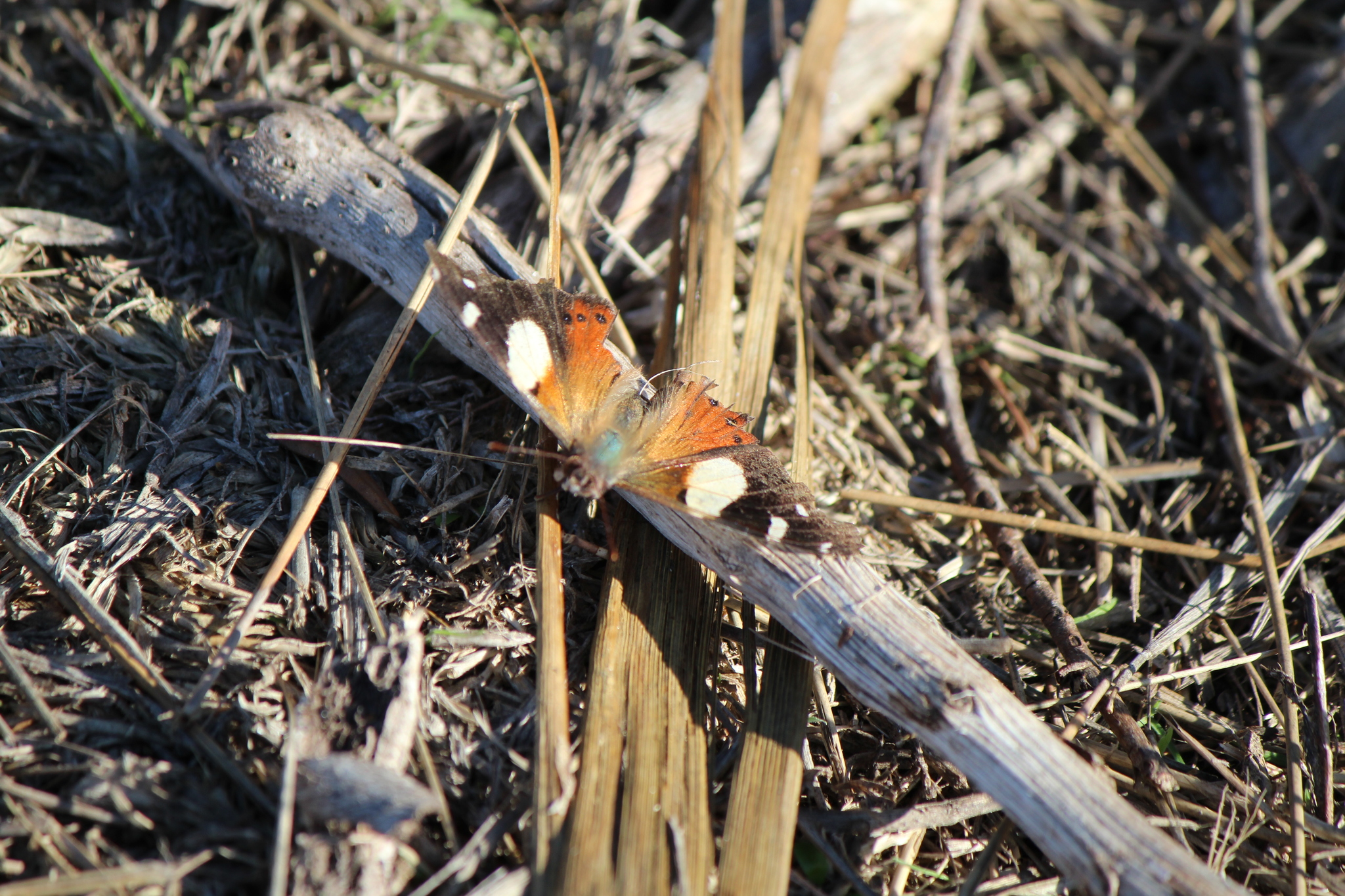
It is a medium-sized butterfly The upperside of the forewings are dark brown to black toward the outer edges, with three small white patches and a wide, bright yellow bar, and dull red nearer the body. The rear wings are dull red with a black border, and a row of black circles with light blue centres near the edge.
<br><br>
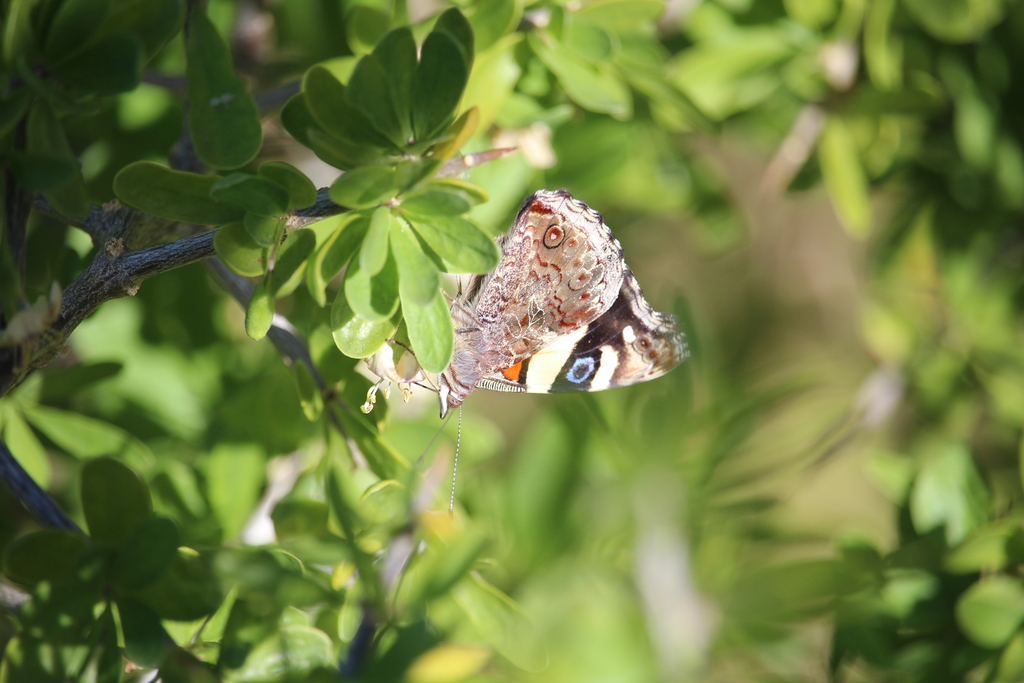
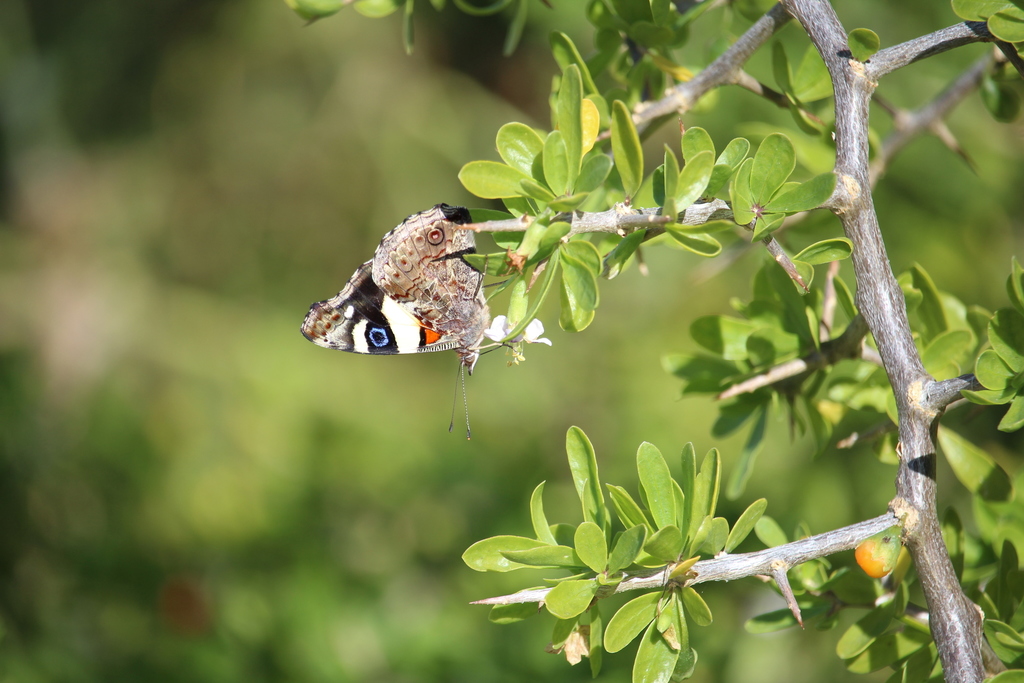
The underwings are very different - the rear wing is various shades of brown with cryptic, irregular markings; the underside of the forewing has a blue eyespot on a black background that is highlighted by a yellow area above and below.
At a glance
Yellow Admiral at a glance
Habitat
They prefer open country, wastelands and gardens where the stinging nettles, Urtica incisa and Urtica urens are present. It is found at up to 1000 m above sea level.
Size
Variable wingspan of 48 to 50 mm in Tasmania
Origin
Native
Distribution
Australia, New Zealand, Lord Howe Island, and Norfolk Islands
Descriptions
Distribution
Australia, New Zealand, Lord Howe Island, and Norfolk Islands
Habitat
They prefer open country, wastelands and gardens where the stinging nettles, Urtica incisa and Urtica urens are present. It is found at up to 1000 m above sea level.
Size
Variable wingspan of 48 to 50 mm in Tasmania
Distribution and map
Distribution provided by The Atlas of Living Australia
Classification
Classification
KingdomAnimalia
PhylumArthropoda
SubphylumHexapoda
ClassInsecta
SubclassPterygotes
OrderLepidoptera
SuborderDitrysia
SuperfamilyPapilionoidea
FamilyNymphalidae
SubfamilyNymphalinae
TribeNymphalini
GenusVanessa
SpeciesVanessa itea
Synonyms
Synonyms
There are no known synonyms for this species
References and dates
Original
No original text available
Bibliography
View page references
Added
Thu 4 Jun 2020 @ 00:00 AM
Updated
Sun 28 Mar 2021 @ 23:00 PM
Surveys
View Survey List
Photos


Files
External Links
2 External Links
View External
Links
Disclaimer: A lot of work goes into trying to identify and ensure accurate identifications are made, and that the listed Descriptions, Sizes, Habitats and Distribution information is as accurate and valid as possible. Unfortunately, information in this arena is ever changing and as such no guarantee can be offered that it is correct or currently valid — the information is provided as a guide, and it is always suggested that you do a little research to ensure you have the latest and most accurate information. View the references or bibliography. Feedback and comments on the information provided are always welcome.
From Our Tasmania · https://ourtasmania.au/species-guide/view-species/vanessa-itea/