As Written by (Lamouroux, 1816)
S. Elongata; caule simplici, elongato, pinnato, rare bipinnato ; cellulis minutis approximatis ; marginibus ciliatis ; ovariis ovatis truncatis lateraliter cornutis. Mers de l'Australasie. Mus. d'Hist.Nat...Per. et Les. Nota cette Sotulaire est remarquable par l elegance de son port.
Latin to English
S. Elongata; stem simple, elongate, pinnate, rarely bipinnate; cells minutely approximate; margins ciliated; ovaries ovate truncate laterally horned. Australasian Sea. Mus. d'Hist.Nat.Per. et Les. Note this Sotulaire is remarkable for the elegance of its bearing.
What Does It Mean?
Identification
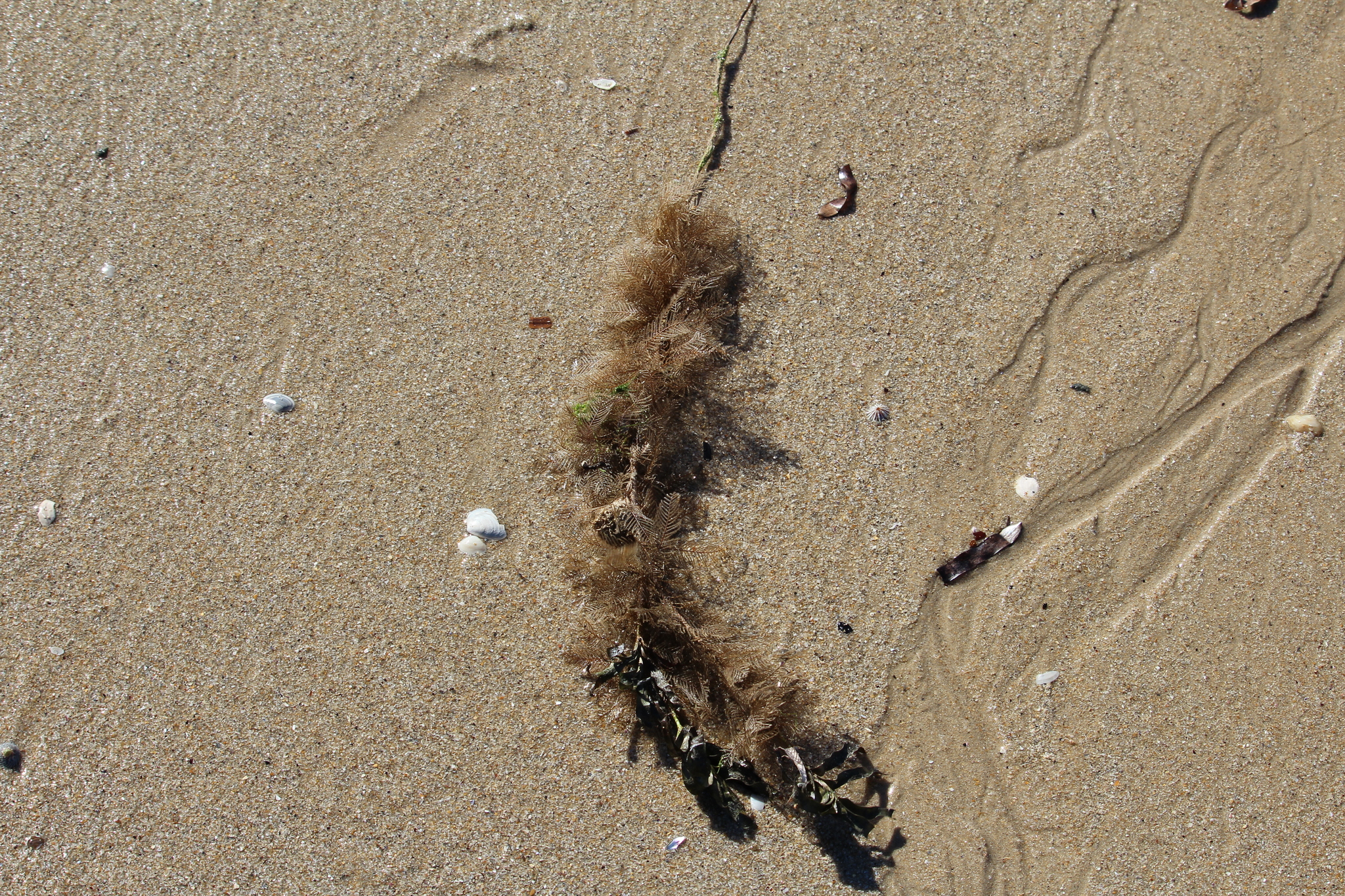
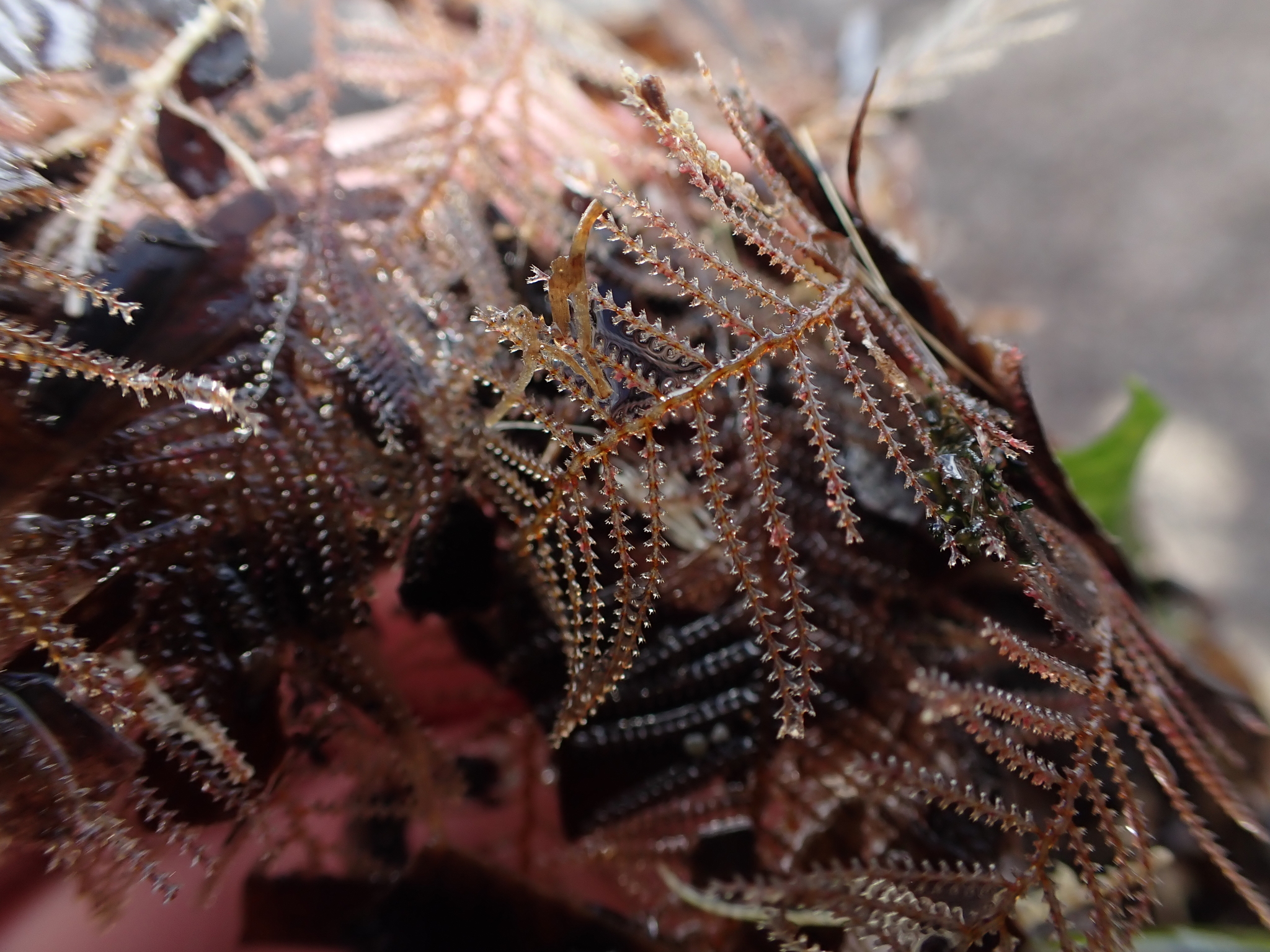
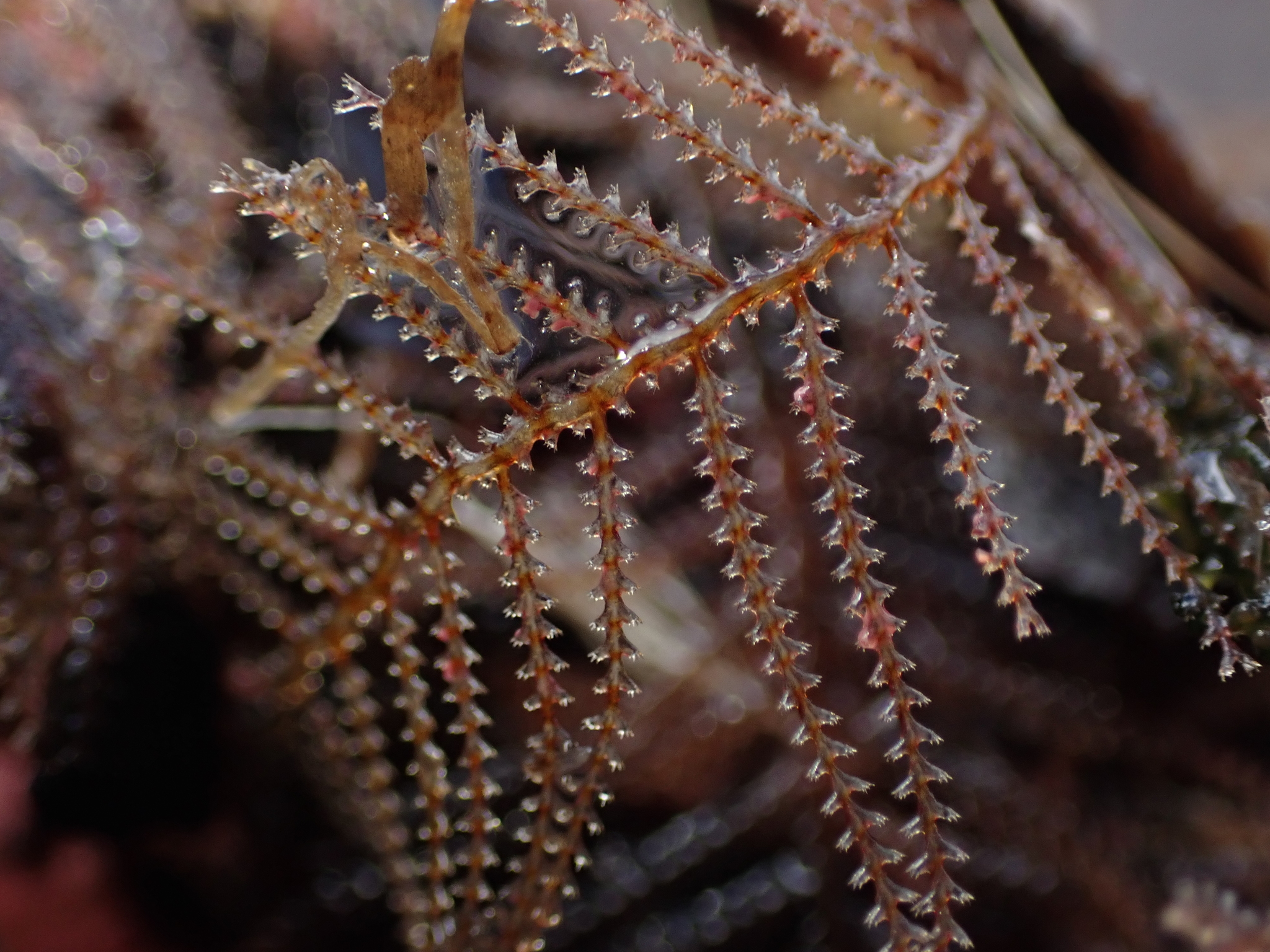
Growing on the stems of seagrasses such as Amphibolis antarctica and reported by some sources on the stems of brown algae species it grows outward from the stem with a feather like form its polyps the small cups along the branches are arranged in an alternating pattern with the polyp opening at the top featuring more than 4 sharp teeth on the margin.
The colour of this species is a brownish tan to a light brownish red
The features of this species are harder to see with the naked eye given their small size a good reference is if growing on the stem of Amphibolis antarctica and has the feather like appearance then it is more than likely this species the images provided here will give some more help in understanding this species
Disclaimer: A lot of work goes into trying to identify and ensure accurate identifications are made and that the listed Descriptions, Sizes, Habitats and Distribution information is as accurate and valid as possible. Unfortunately, information in this arena is ever changing and as such no guarantee can be offered that it is correct or currently valid — as a result the information is provided as a guide, and it is always suggested that you do a little research to ensure you have the latest and most accurate information.


